Ctrl K
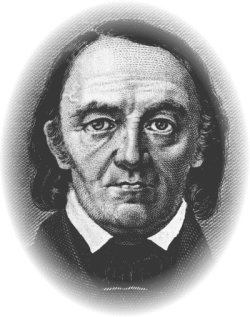
1787–1853
Occupations
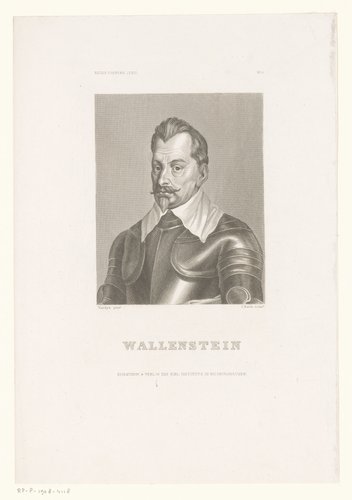
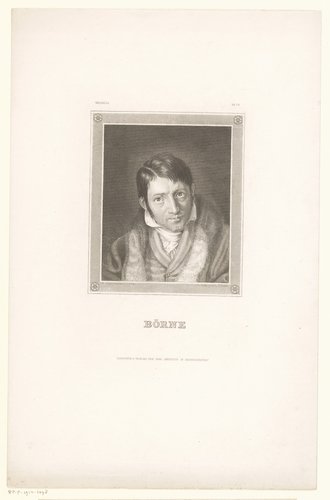
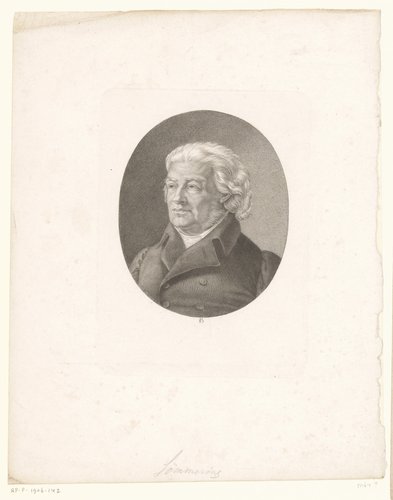
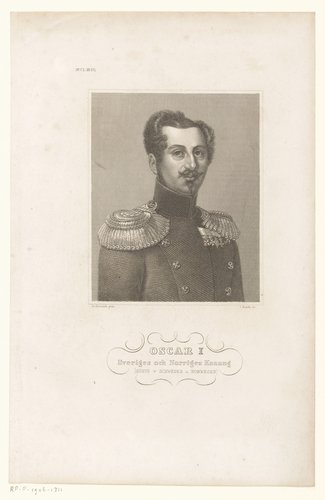
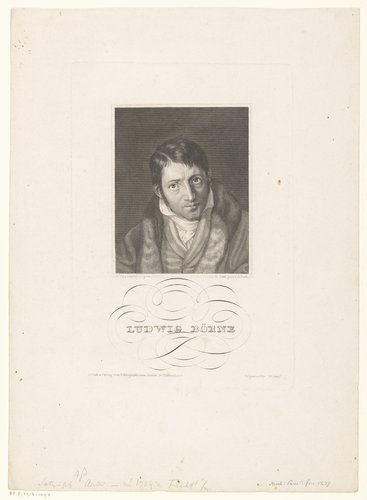
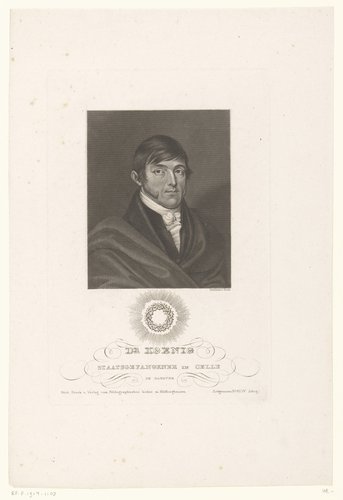
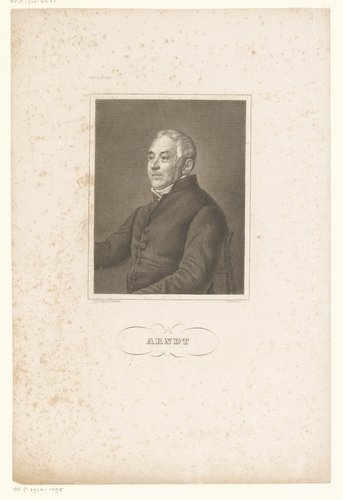
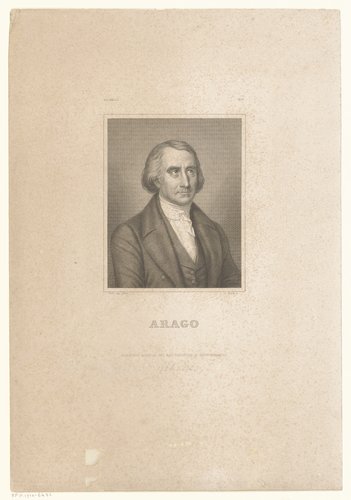
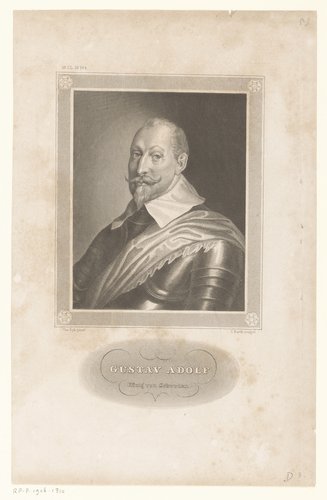
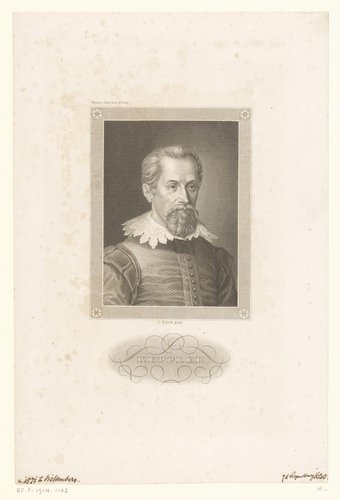
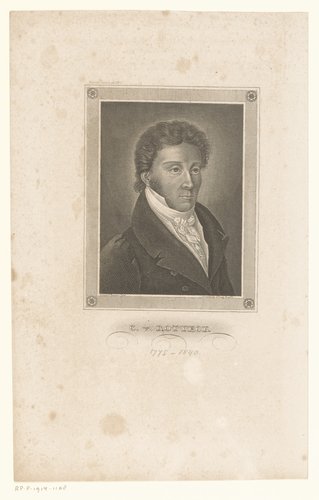
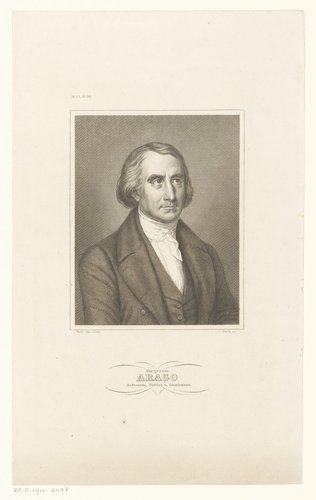
Karl Barth (also known as Carl Barth or Johann Carl Barth, 1787–1853) was a versatile German artist who worked as a copperplate engraver, draughtsman, painter, illustrator, and portrait engraver during the late eighteenth and first half of the nineteenth centuries. Born in Eisfeld in the Duchy of Saxe-Meiningen and dying in Kassel, Barth exemplified the multi-talented artist-craftsman of the Romantic period, creating works that ranged from portrait engravings of European royalty and nobility to book illustrations and commercial art. His engraving of Therese of Saxe-Hildburghausen, Queen Consort of Bavaria, demonstrates his skill in royal portraiture, while his diverse output reflects the varied demands placed on professional engravers in an era when printmaking served crucial functions in disseminating images before the advent of photography.
Johann Carl Barth was born in 1787 in Eisfeld, a small town in the Duchy of Saxe-Meiningen, one of the many small German states that made up the Holy Roman Empire and later the German Confederation. Growing up in Saxe-Meiningen, a culturally active if politically minor duchy, Barth would have been exposed to the traditions of German craftsmanship and the emerging Romantic movement that was transforming German culture.
Barth received training in multiple artistic media, learning copperplate engraving, drawing, and painting. This comprehensive education was typical for artists of his generation, who were expected to be versatile and able to work in various media to meet different market demands and commission requirements. The training in engraving required mastering the demanding technique of incising lines into copper plates with burins, understanding how to create tonal effects through systematic hatching and cross-hatching, and developing the patience and precision necessary for this exacting craft.
Barth established himself as a professional engraver, draughtsman, and illustrator, working in various German cities during a period of significant political and cultural change. The Napoleonic Wars (1803–1815) disrupted German political structures, ending the Holy Roman Empire in 1806 and reorganizing the German states. The Congress of Vienna (1815) established new political arrangements, and the subsequent decades saw growing German nationalism and cultural movements that would culminate in German unification later in the century.
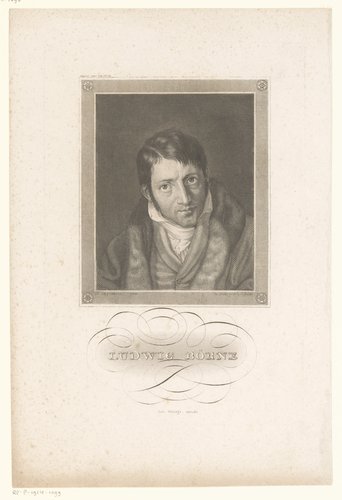
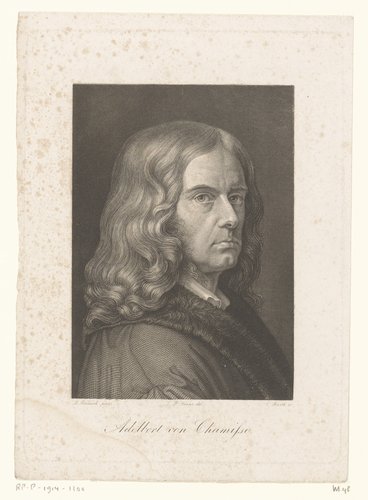
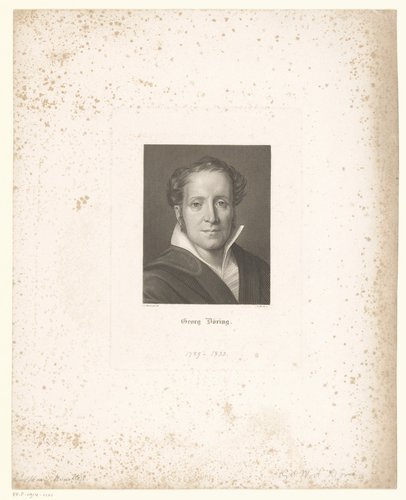
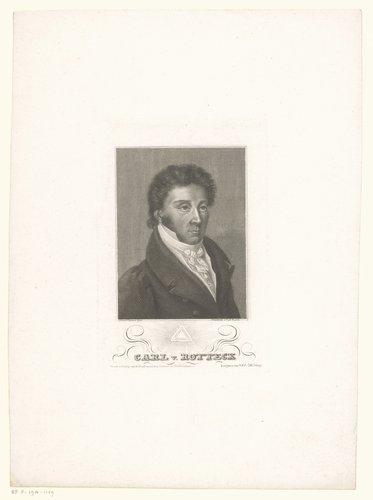
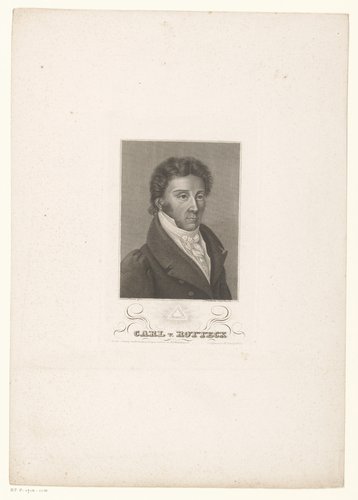
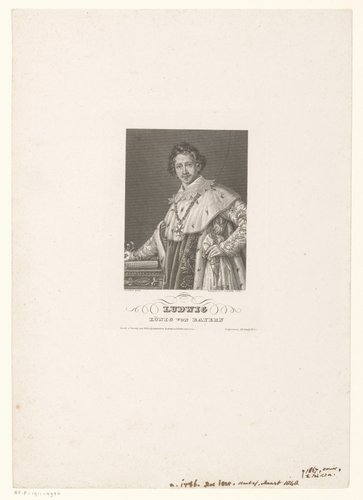
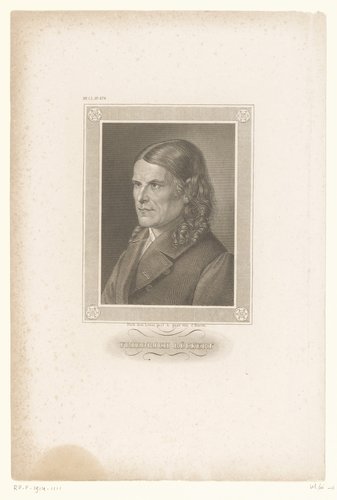
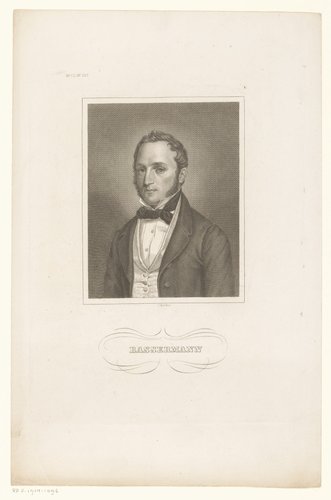
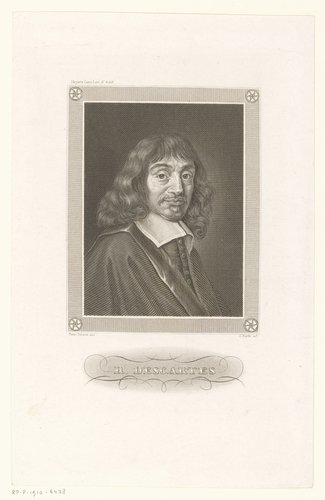
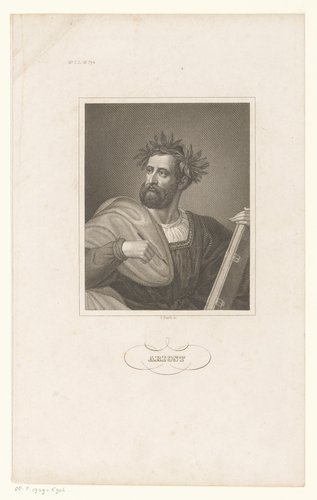
Throughout these tumultuous times, Barth maintained his practice, creating portrait engravings that documented important political and cultural figures. His work included a notable engraving of Therese of Saxe-Hildburghausen (1792–1854), who became Queen Consort of Bavaria through her marriage to King Ludwig I. Such royal portraits served important political and social functions, circulating images of ruling families and helping to construct and maintain their authority and prestige. The ability to create effective portrait engravings that captured both physical likeness and royal dignity was a valuable skill.
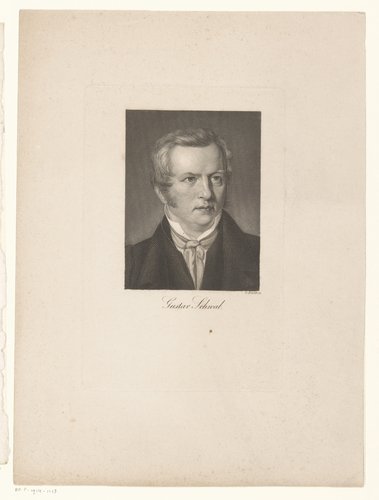
Barth also created a portrait engraving of Heinrich Josef König, a historian, demonstrating that his portrait work extended beyond royalty to include notable figures from academic and cultural life. These scholarly portraits served different purposes than royal portraits, commemorating intellectual achievements and circulating the likenesses of important thinkers among educated audiences.
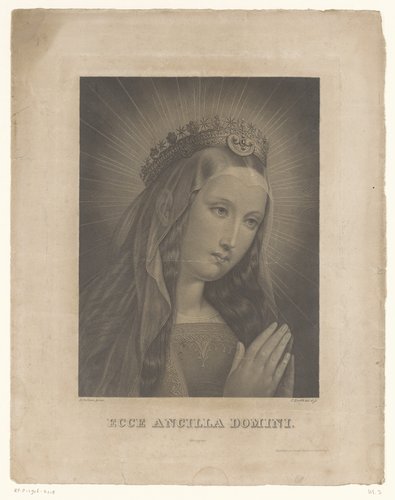
Beyond portraiture, Barth worked as an illustrator for books and as a commercial artist, creating designs for various purposes. This versatility was essential for professional engravers, who needed to adapt to different types of commissions and serve varied markets. Book illustration remained an important field for engravers even as lithography began to compete with traditional copperplate engraving in the early nineteenth century.
His works are held in several major collections, including the Royal Collection Trust, the Städel Museum in Frankfurt, and the J. Paul Getty Museum in Los Angeles, indicating that his prints achieved wide distribution and continue to be valued by collectors and institutions. The international distribution of his works in major collections demonstrates that German printmaking, while perhaps not as dominant as it had been during Dürer's time, maintained high standards and continued to circulate throughout Europe and beyond.
Karl Barth died in 1853 in Kassel, a city in northern Hesse that had become part of the Kingdom of Westphalia under Napoleonic rule before being incorporated into the Electorate of Hesse-Kassel and later Prussia. His death came as Germany was moving toward the revolutionary upheavals of the mid-century and the eventual path to unification. Throughout his sixty-six years, Barth had witnessed and documented through his art some of the most transformative decades in German history.
Artheon Research Team
Last updated: 2025-11-09
Biography length: ~774 words
Wikidata/Wikimedia Commons