Ctrl K
1813–1915
Occupations
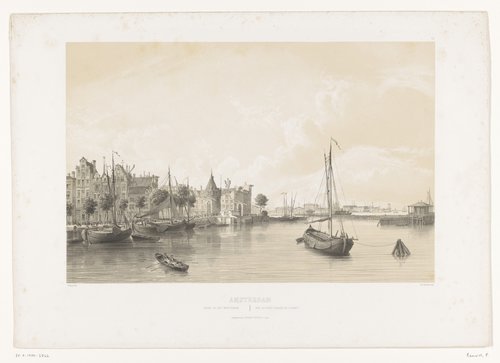
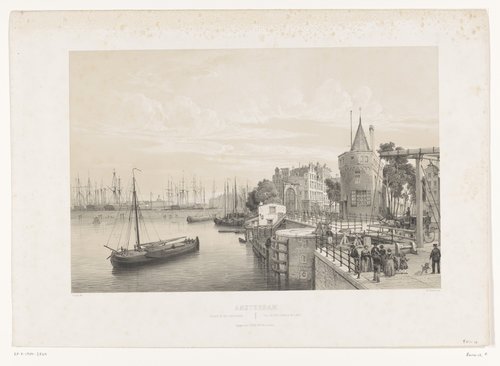
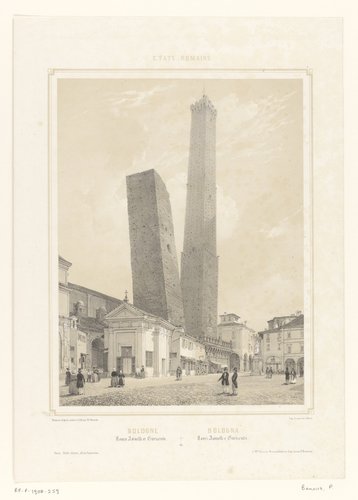
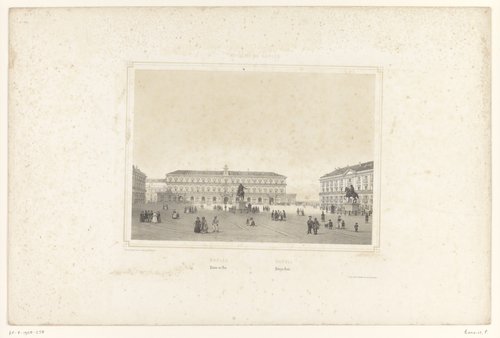
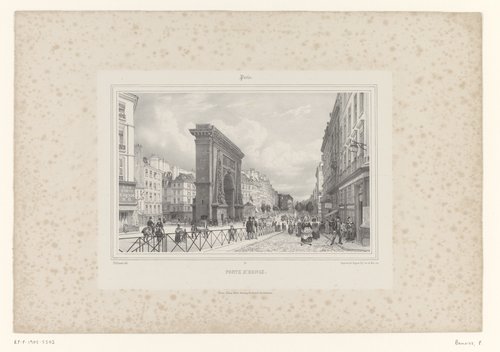
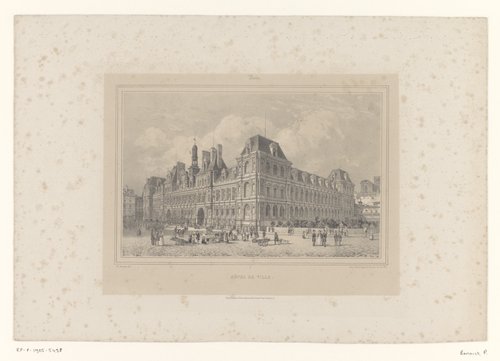
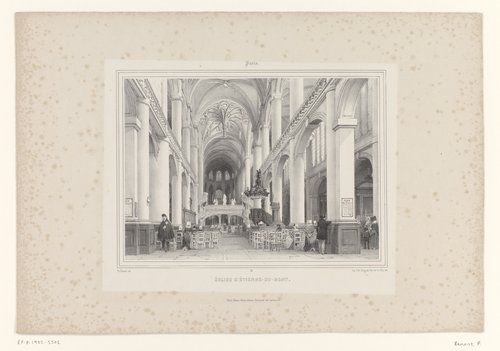
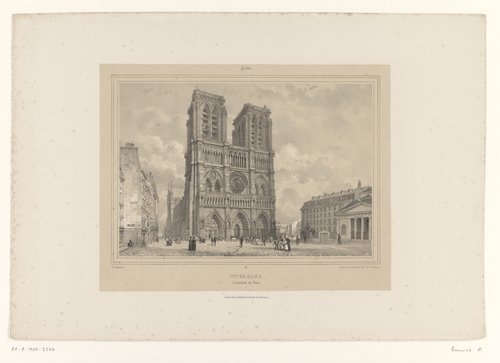
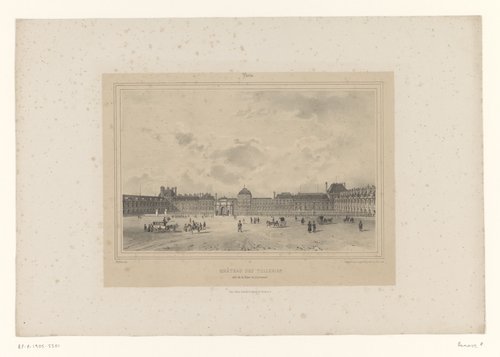
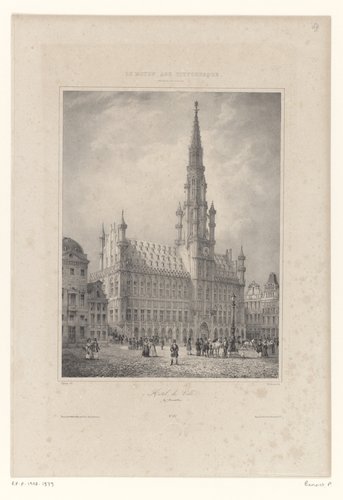
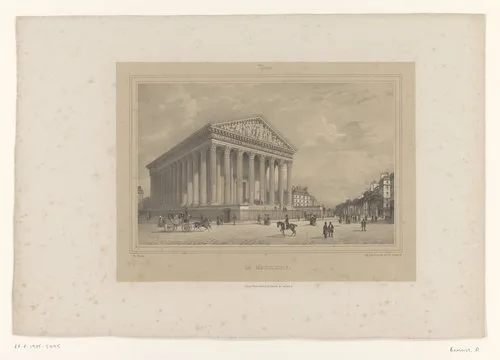
Philippe Benoist (1813–circa 1905) was a prolific French lithographer, painter, and draftsman who became one of the 19th century's most sought-after creators of topographical views and architectural prints. Born in Geneva in 1813 and working primarily in Paris throughout his long career, Benoist specialized in lithographic portfolios documenting European cities and landscapes with meticulous attention to architectural detail and atmospheric effects. His training under Daguerre—the pioneering photographer and theatrical designer—provided unique preparation for his career creating precisely observed topographical views. Benoist's numerous lithographic series including "Vues d'Italie et de Sicilie" (1848), "Rome dans Sa Grandeur" (circa 1870), and his contributions to "Paris dans sa Splendeur" established him as a master of architectural lithography, making European cities' monuments and landscapes accessible to middle-class collectors while serving as valuable historical documentation of 19th-century urban environments.
Philippe Benoist was born in Geneva in 1813, though he would spend his professional career in France, working primarily as a French lithographer and painter. Geneva's position as a crossroads of European culture provided exposure to multiple artistic traditions.
Benoist's artistic education in Paris included crucial training under Louis-Jacques-Mandé Daguerre (1787–1851), who would achieve lasting fame as the inventor of the daguerreotype photographic process (1839) but who was already renowned as a theatrical designer and creator of the Diorama, a theatrical entertainment using painted panoramas and special lighting effects.
Training with Daguerre proved invaluable for Benoist's future specialization in topographical views. Daguerre's emphasis on precise optical observation, atmospheric effects, and architectural detail directly influenced Benoist's approach to lithographic landscapes and cityscapes.
By the 1840s, Benoist had established himself as one of Paris's most coveted lithographers, specializing in topographical views of landscapes and buildings. His work served both aesthetic and documentary functions, appealing to collectors while providing valuable records of European architectural heritage.
In 1848, Benoist published one of his most celebrated works: the album "Vues d'Italie et de Sicilie," containing 40 lithographs and published by Bulla & Delarue in Paris. This comprehensive portfolio documented Italian and Sicilian architecture and landscapes with the meticulous attention to detail and atmospheric sensitivity that characterized his work.
Benoist became particularly renowned for his lithographic series of landscape views of France and Switzerland, making the picturesque scenery of these regions accessible to audiences who might never visit these locations in person. His prints served as both artistic works and as early forms of touristic imagery.
Around 1870, Benoist created the series "Rome dans Sa Grandeur" (Rome in its Grandeur), documenting the eternal city's monuments and urban character. This work joined a long tradition of artists creating Roman views while bringing lithography's particular qualities—relatively affordable multiple production combined with artistic sophistication—to the genre.
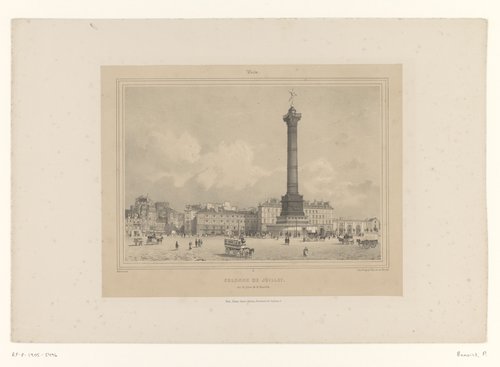
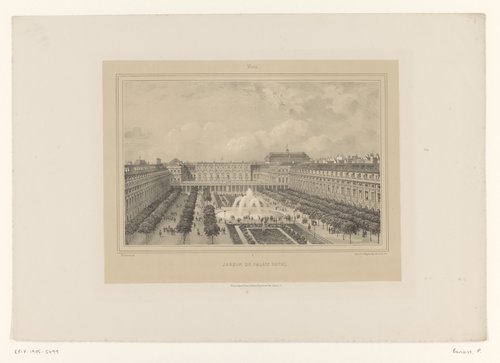
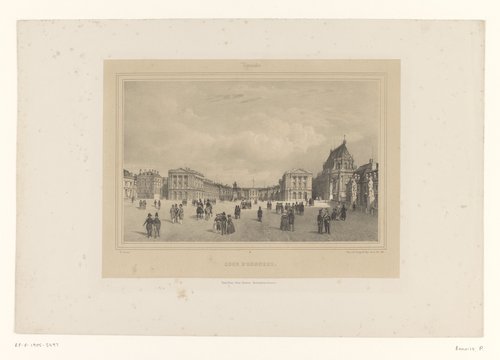
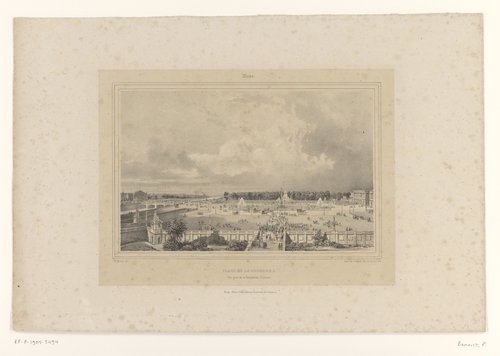
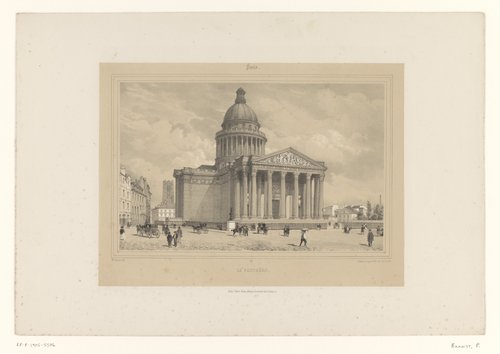
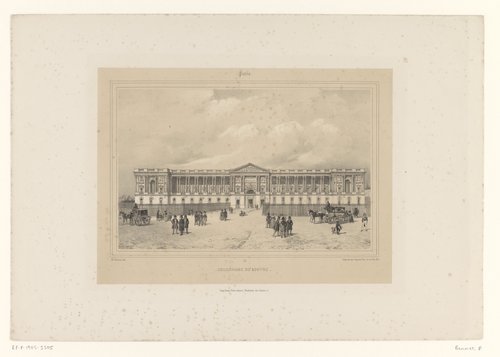
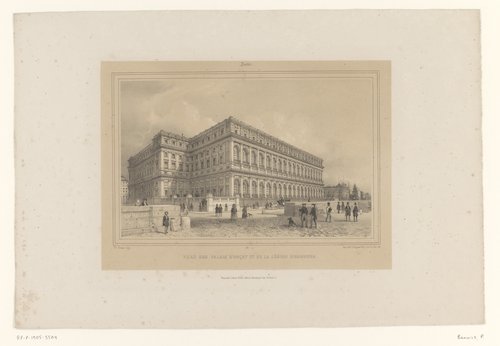
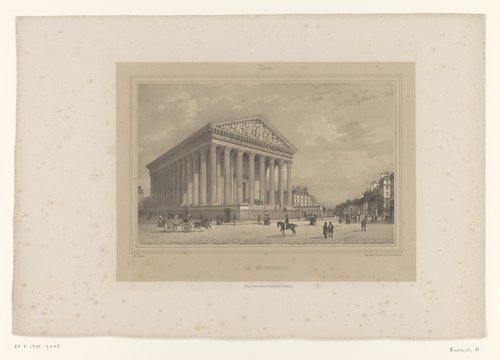
Benoist also contributed to the monumental publication "Paris dans sa Splendeur" (Paris in its Splendor), a collaborative project documenting the French capital's architecture, monuments, and urban life. His contributions helped create a comprehensive visual record of Second Empire Paris.
Benoist continued his lithographic work through the final decades of the 19th century, maintaining his reputation even as photographic reproduction techniques were increasingly supplementing and replacing hand-made lithographs for certain documentary and commercial purposes.
The exact date of Benoist's death remains somewhat uncertain, with sources suggesting circa 1905, though some references indicate earlier dates around 1880-1881. The Library of Congress records indicate he died approximately in 1905, while auction sources show various dates. This discrepancy reflects the incomplete biographical documentation for many 19th-century printmakers.
Regardless of the exact end date, Benoist's career spanned much of the 19th century, and his extensive lithographic production provides valuable documentation of European urban and landscape environments during a period of dramatic transformation.
Artheon Research Team
Last updated: 2025-11-09
Biography length: ~980 words
Wikidata (CC0); Getty ULAN (ODC-By)