Ctrl K
1669–1769
Occupations
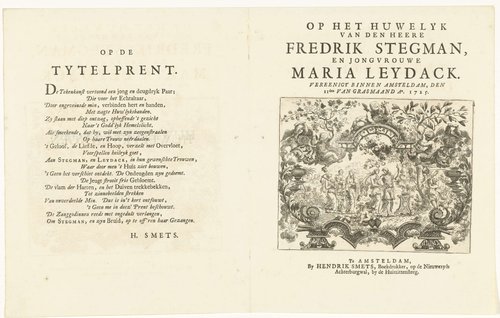
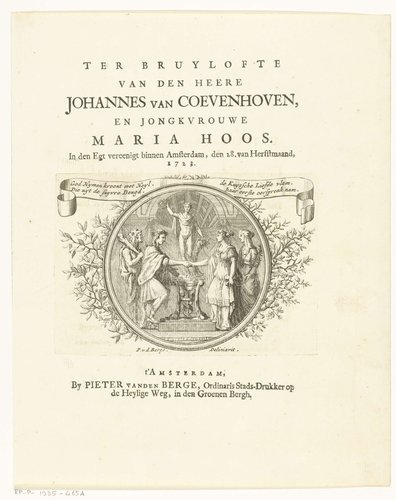
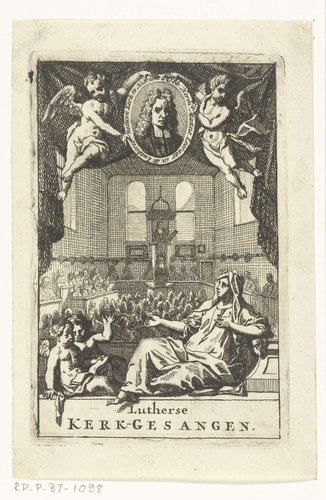
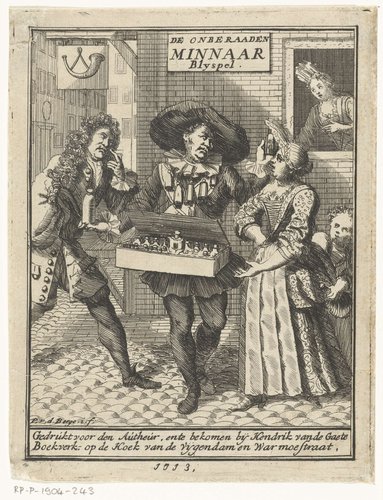
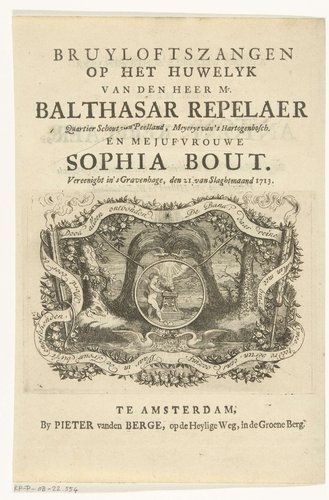
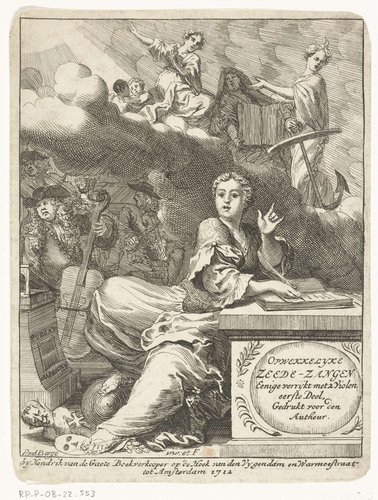
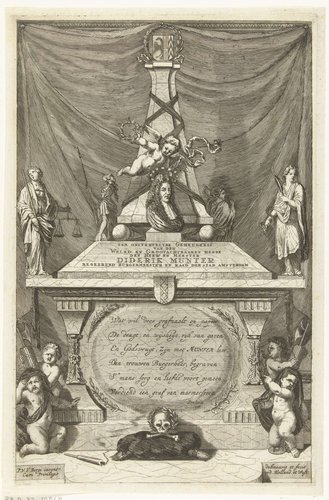
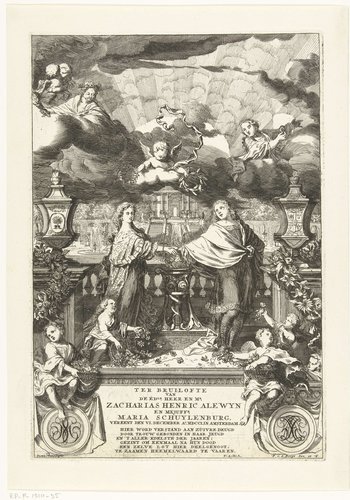
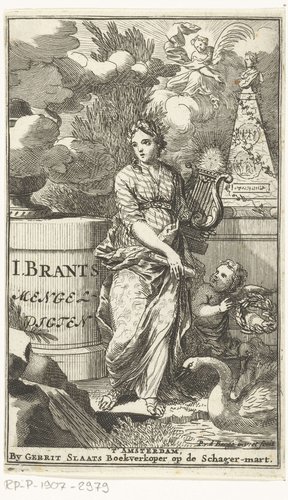
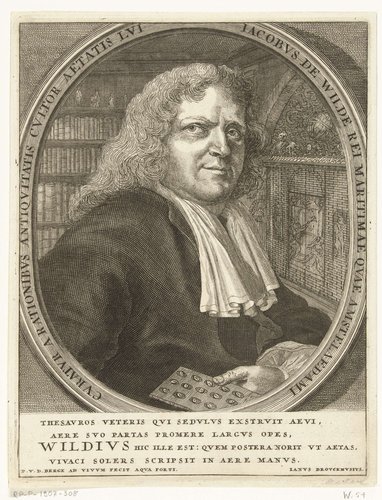
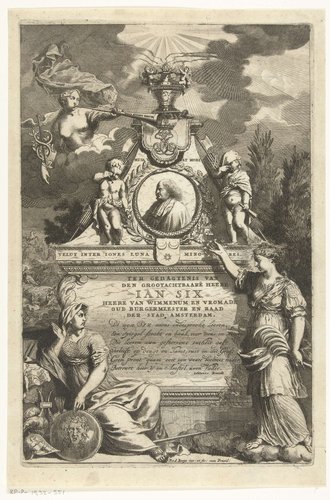
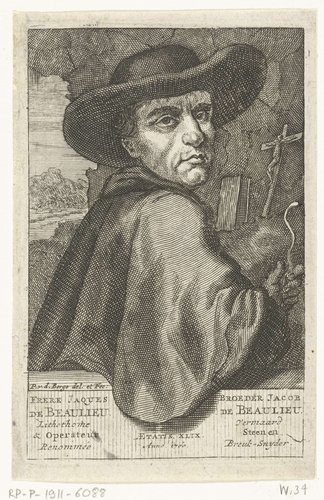
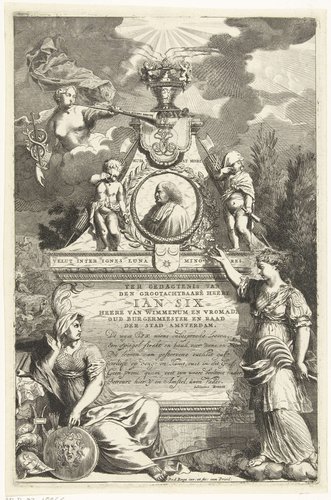
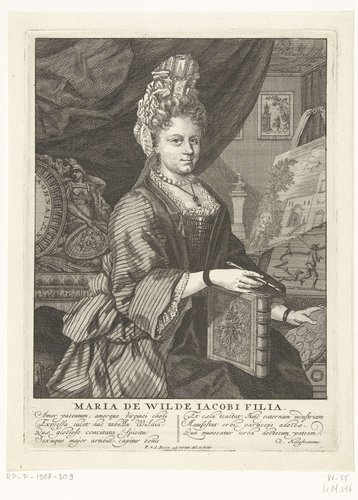
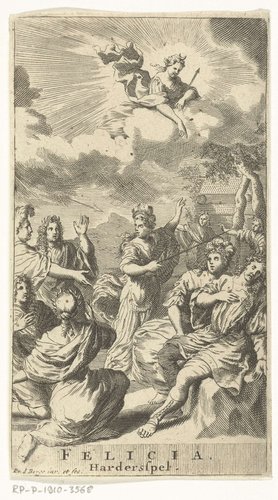
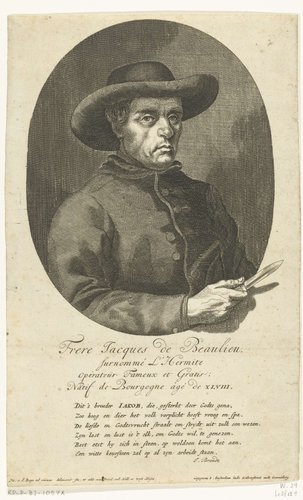
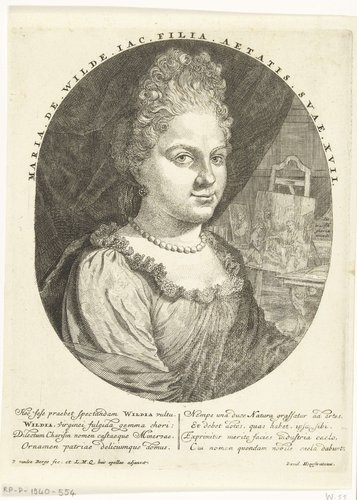
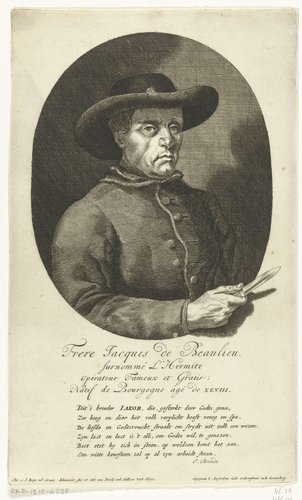
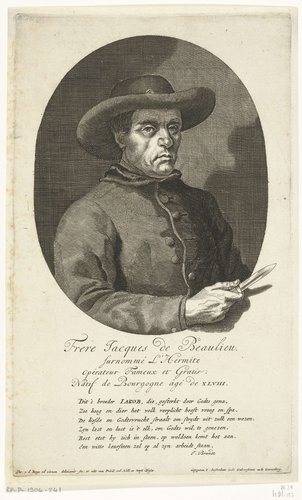
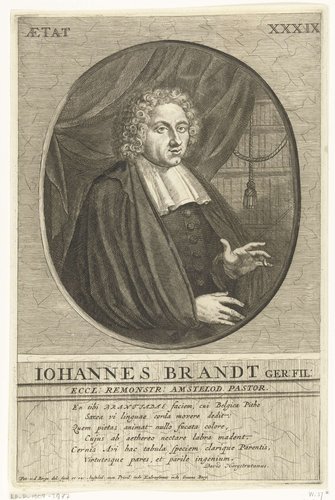
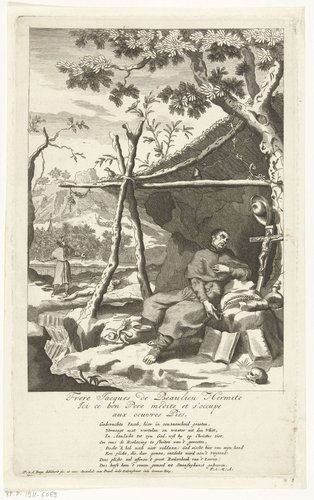
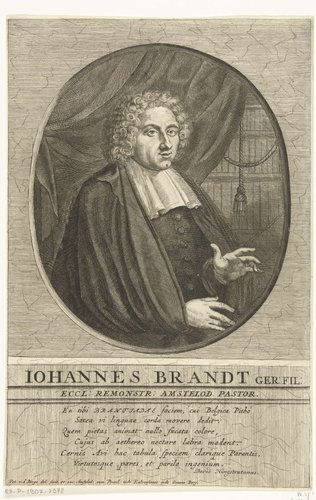
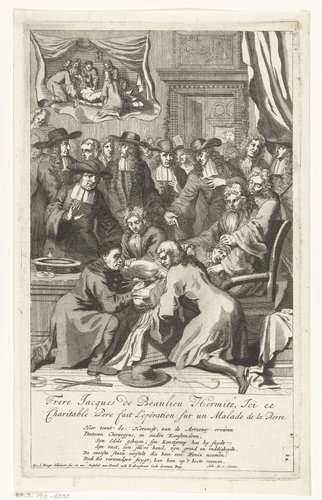
Pieter van den Berge (1659–1737) was a Dutch draughtsman, printmaker, and publisher whose long career spanned the late Dutch Golden Age into the early 18th century. Born in 1659, likely in Amsterdam, van den Berge worked as an engraver, visual artist, editorial curator, and draughtsman during a period when Dutch printmaking was transitioning from the heights of the Golden Age into new commercial and artistic directions. His work included creating etchings after other artists' paintings, particularly after Theodoor van Thulden, and producing drawings documenting Amsterdam subjects. His role as both practicing printmaker and publisher gave him significant influence in the Dutch print trade during a crucial transitional period. When he died in 1737 at age 78, he left behind a body of work that helps document Dutch artistic and urban life across nearly eight decades of the late 17th and early 18th centuries.
Pieter van den Berge was born in 1659, during the final decades of the Dutch Golden Age when the Netherlands remained a major economic and cultural power despite increasing competition from England and France. Available evidence suggests he was active in Amsterdam, the commercial and artistic heart of the Dutch Republic.
Little is known of his early training, but his later technical competence indicates thorough apprenticeship in engraving and drawing. Amsterdam offered numerous opportunities for artistic education, both through formal apprenticeships and informal study of the many great works available in the city's churches, public buildings, and private collections.
Van den Berge established himself as a professional engraver, draughtsman, and publisher, working in multiple capacities within the print trade. His work as an engraver included creating etchings after paintings by other artists, particularly Theodoor van Thulden (1606–1669), a Flemish painter who had worked in Paris and Amsterdam.
His role as publisher gave him additional importance in Dutch print culture. Publishers controlled the distribution of prints, commissioned works from engravers, maintained inventories of plates and stock, and connected artistic production to commercial markets. Van den Berge's combined roles as both producer and publisher of prints gave him unusual control over his work and career.
He created various drawings of Amsterdam subjects from 1674 through 1737, documenting the city's architecture, urban life, and transformations over more than sixty years. These drawings served both as finished works in themselves and as preparatory studies for prints.
Several of his etchings are held in the National Gallery of Art in Washington, D.C., indicating the quality and historical significance of his work. These include works created after Theodoor van Thulden's paintings, demonstrating his skill in reproductive printmaking.
Artheon Research Team
Last updated: 2025-11-09
Biography length: ~592 words
Wikidata/Wikimedia Commons