Ctrl K
1838–1865
Movements
Occupations
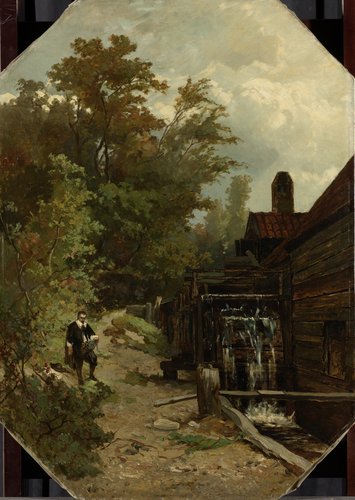
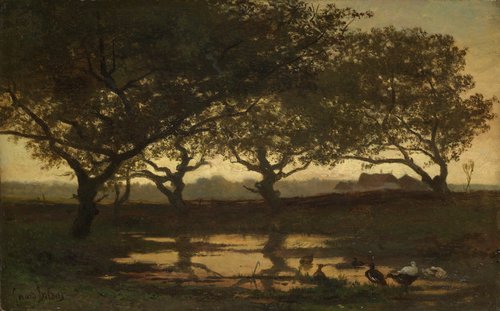
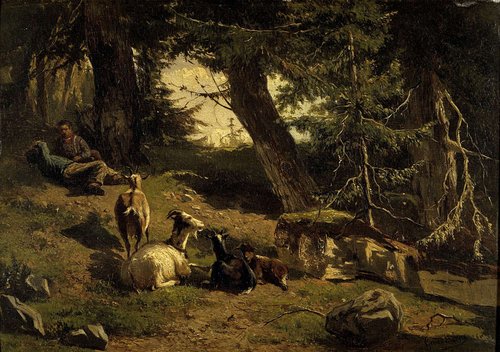
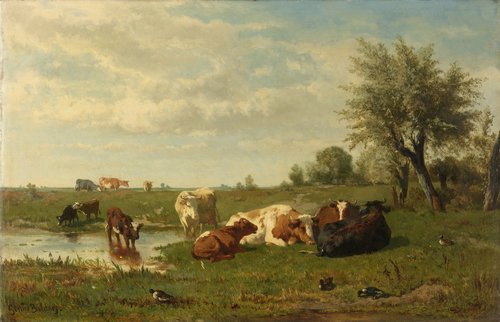
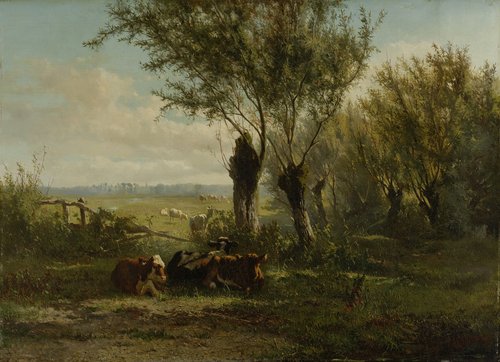
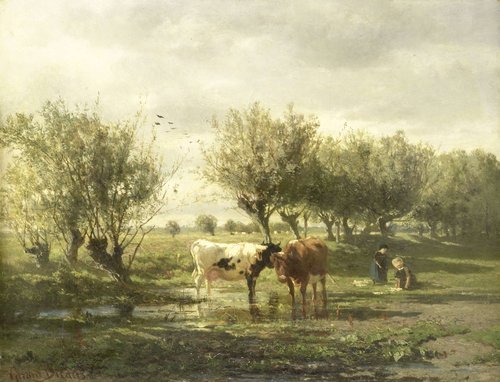
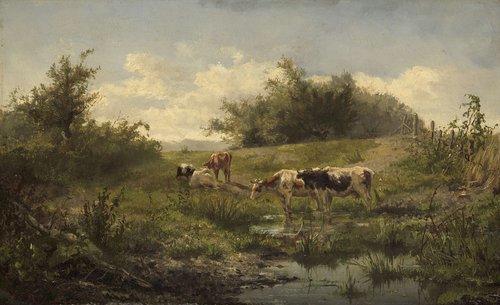
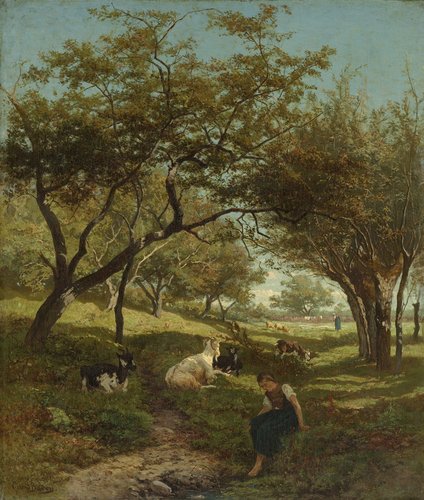
Albertus Gerardus "Gerard" Bilders (1838-1865) was a Dutch landscape painter whose brief but influential career established him as a crucial transitional figure between the Romantic landscape tradition of his father's generation and the innovative plein-air painting of the Hague School. Born in Utrecht and trained by his father, the landscape painter Johannes Warnardus Bilders, Gerard developed an innovative approach to color that he called "colored grey," attempting to capture the subtle atmospheric effects of the Dutch landscape through careful mixing of unbroken colors. Despite dying from tuberculosis at only twenty-six, Bilders produced a body of work that profoundly influenced Dutch painting. His close associations with future Hague School masters Anton Mauve and Willem Maris helped establish the artistic principles that would dominate Dutch art in the later nineteenth century. Bilders' focus on direct observation of nature, his pursuit of atmospheric truth over idealized composition, and his innovative color techniques foreshadowed the tonal painting style that became the Hague School's hallmark. His premature death cut short a career of extraordinary promise, but his legacy as a bridge between Romanticism and Impressionism remains secure in Dutch art history.
Gerard Bilders was born on December 9, 1838, in Utrecht, into an artistic family. His father, Johannes Warnardus Bilders, was an established landscape painter who provided Gerard's first instruction in drawing and painting. The Bilders family lived in Oosterbeek, a village near Arnhem, from 1841 to 1845—a location that would later become a major center for Dutch plein-air painters. This early exposure to the Dutch landscape and to his father's Romantic approach to nature painting provided the foundation for Gerard's artistic development, though he would eventually move beyond his father's idealized style toward greater naturalism.
Bilders studied at the Academy of Visual Arts in The Hague from approximately 1857 to 1859, where he drew from nude and dressed models. At the Mauritshuis museum, he copied landscapes with cattle by Paulus Potter, studying the Dutch Golden Age masters. He also became a pupil of the landscape and animal painter Charles Humbert in Switzerland, further developing his technical skills. From the beginning of his independent career, Bilders focused on landscape painting with animals, particularly cattle. He developed his distinctive pursuit of "colored grey," mixing unbroken colors to achieve atmospheric effects that went beyond traditional tonal painting. His innovative color approach and commitment to painting directly from nature brought him into close association with Anton Mauve and Willem Maris, artists who would become central figures of the Hague School. Tragically, Bilders contracted tuberculosis and died in Amsterdam on March 8, 1865, at only twenty-six years of age.
Artheon Research Team
Last updated: 2025-11-09
Biography length: ~458 words
Wikidata (CC0); Getty ULAN (ODC-By)