Ctrl K
1867–1947
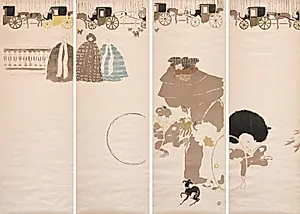
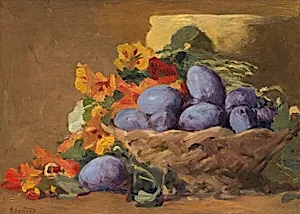
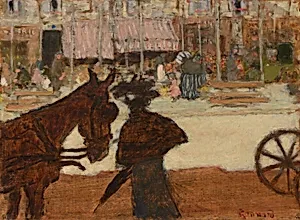
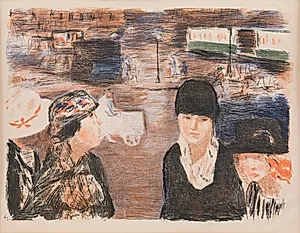
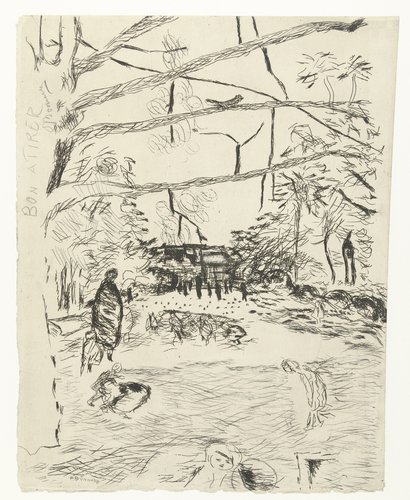
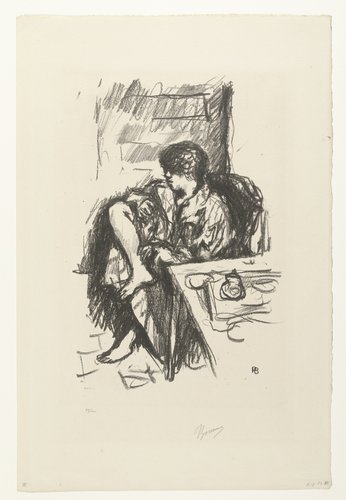
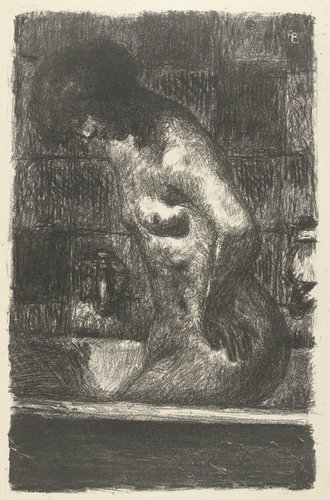
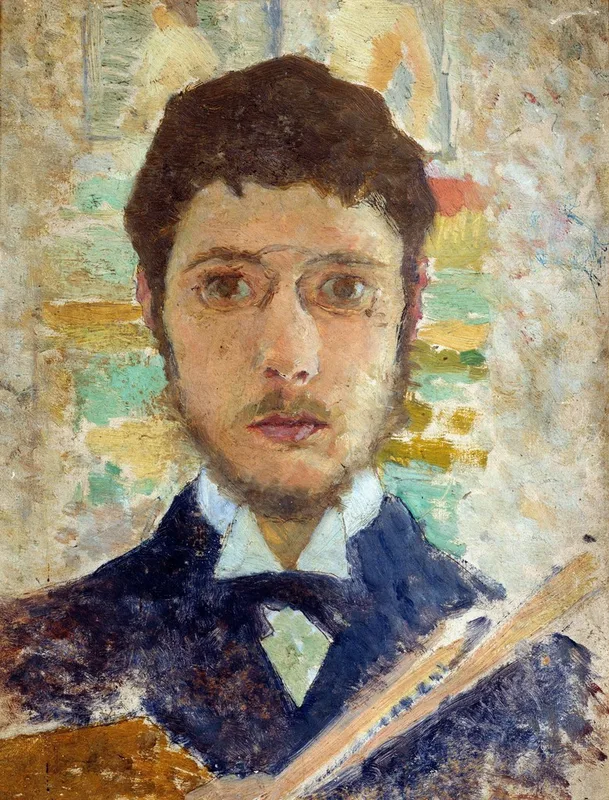
Pierre Bonnard (1867–1947) was a French painter and printmaker who became a leading figure in the Post-Impressionist movement and a founding member of Les Nabis. Born on October 3, 1867, in Fontenay-aux-Roses, France, Bonnard initially studied law at his father's insistence, graduating and briefly practicing as a barrister in 1888. However, his true passion lay in art, and he had simultaneously attended classes at the École des Beaux-Arts and Académie Julian. His decision to become a professional artist marked the beginning of an influential career that would span nearly six decades. Bonnard's early work was profoundly influenced by Paul Gauguin and Japanese prints, earning him the nickname "Le Nabi très japonard" (the highly Nipponized Nabi) among his fellow Nabis artists. During the 1890s, he specialized in painting intimate domestic scenes and decorative compositions aligned with Art Nouveau aesthetics. His artistic evolution led him to develop a distinctive style characterized by vibrant color juxtapositions and an extraordinary ability to convey dazzling light effects. Throughout his career, Bonnard was instrumental in the transition from Impressionism to Modernism, creating works that celebrated everyday life, domestic interiors, and the French countryside. He died on January 23, 1947, in Le Cannet, leaving behind a legacy as one of the most accomplished colorists in modern art.
Born to a family that valued professional stability, Bonnard pursued law while nurturing his artistic ambitions. His enrollment at Académie Julian proved decisive, where he met fellow artists who would form Les Nabis. This period established the foundation for his artistic philosophy.
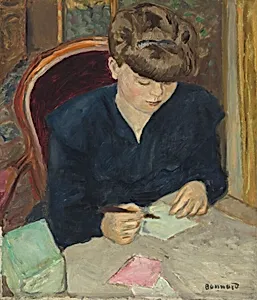
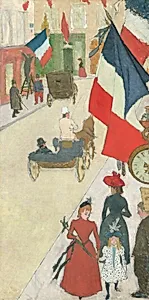
As a founding member of Les Nabis, Bonnard explored Post-Impressionist principles and Japanese-influenced aesthetics. He created intimate domestic scenes, theater posters, and decorative panels that established his reputation. His work during this period emphasized flat color planes and curvilinear compositions typical of Art Nouveau.
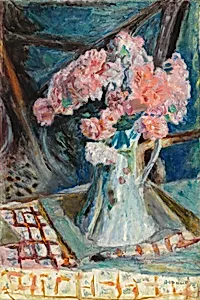
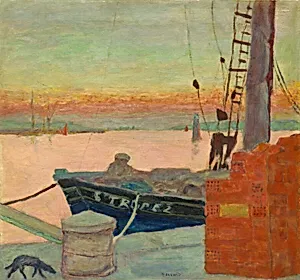
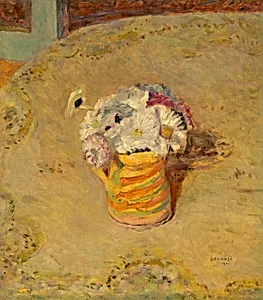
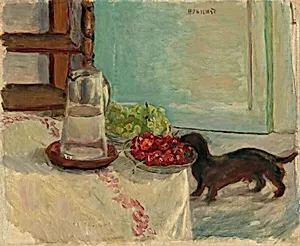
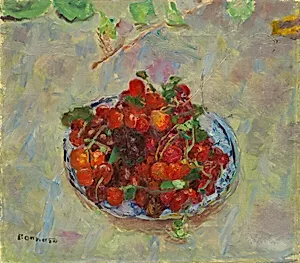
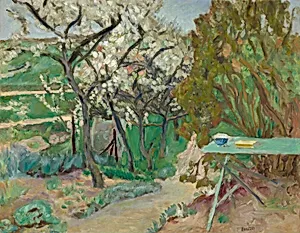
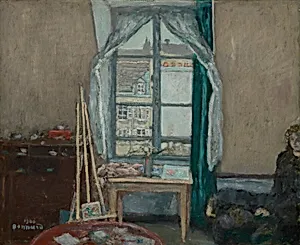
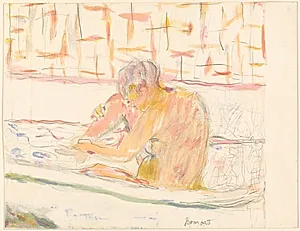
Bonnard developed his mature style, becoming renowned for his luminous interiors, nude studies, and landscapes. His paintings from this period display masterful color harmonies and an ability to transform ordinary domestic scenes into vibrant celebrations of light and color. He continued working prolifically until his death in 1947.
Artheon Research Team
Last updated: 2025-11-09
Biography length: ~465 words