Ctrl K
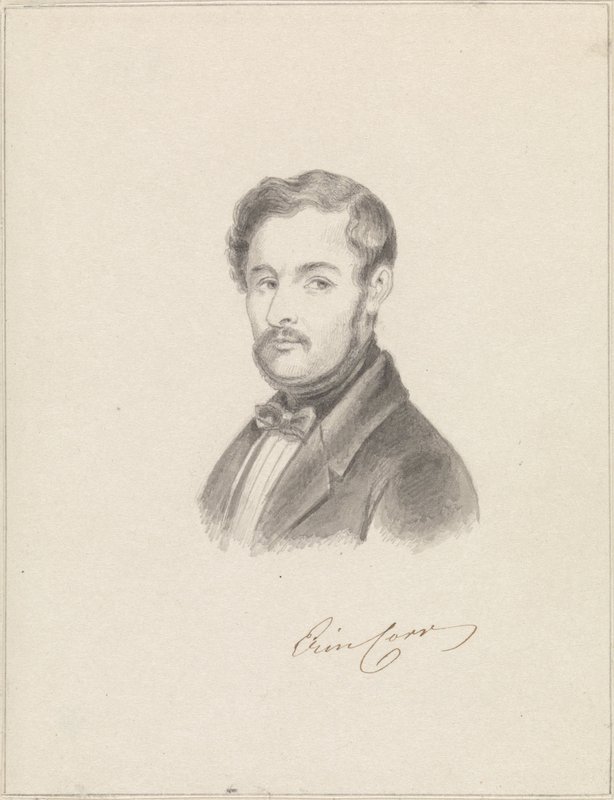
1803–1862
Occupations
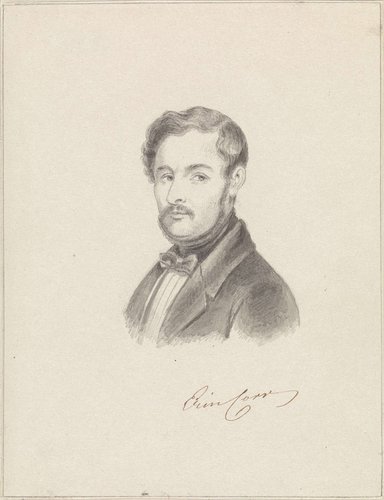
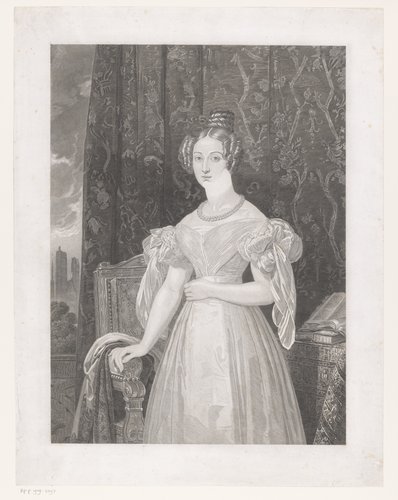
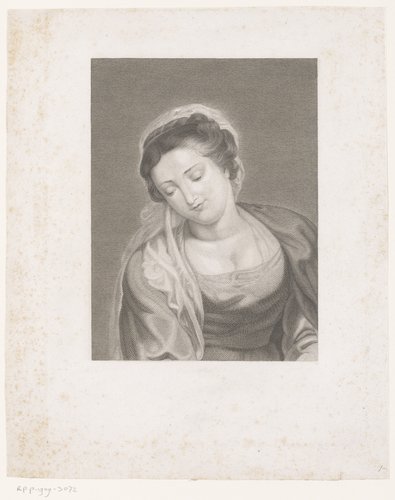
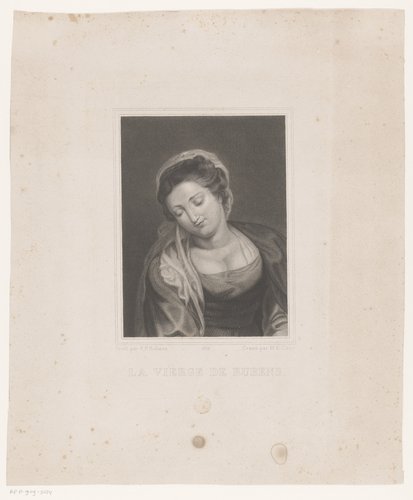
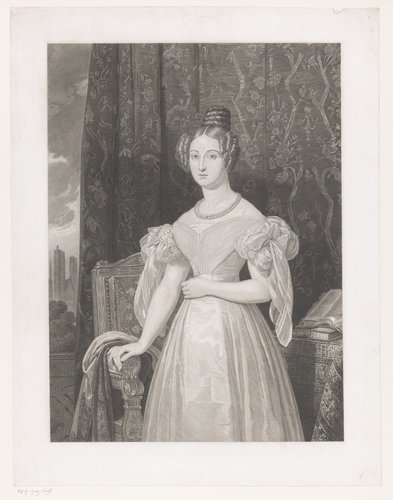
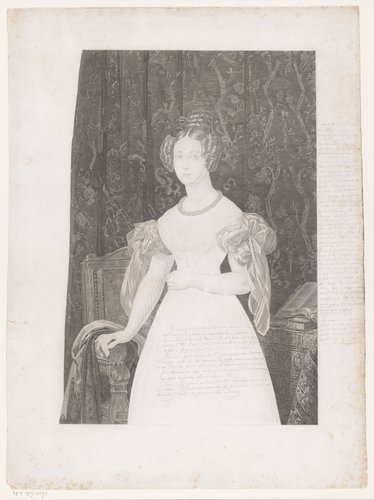
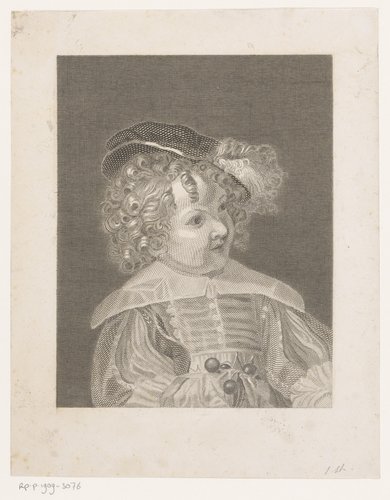
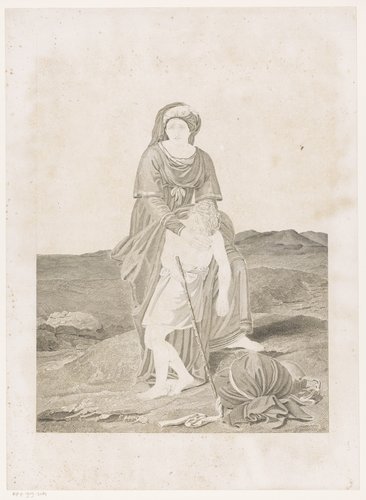
Erin Corr (1803–1862) was an Irish engraver of exceptional skill and dedication, born in Brussels of Irish descent on an unknown date in 1803 and dying on August 10, 1862. His career exemplified the internationalism of 19th-century European art, as he trained in Belgium and France before establishing himself as a professor at the Antwerp Academy, where he influenced the next generation of engravers. Corr's most celebrated achievement was his decade-long labor on a copper-plate engraving of Peter Paul Rubens's masterpiece "The Descent from the Cross," a monumental undertaking that demonstrated both supreme technical mastery and extraordinary patience. Recognition of his achievements extended across the Atlantic when he was elected an Honorary Academician of the National Academy of Design in New York in 1833, acknowledging his international reputation and the transatlantic appreciation of European engraving traditions.
Erin Corr was born in 1803 in Brussels to an Irish family. His Irish heritage combined with his Brussels birth and Belgian training created a complex cultural identity that characterized many 19th-century artists navigating national boundaries in pursuit of professional opportunities.
Corr received his initial training in engraving under the Belgian engraver De Meulemeester, learning the demanding technical skills required for line engraving with the burin on copper plates. This apprenticeship provided fundamental knowledge of the craft's precision, patience, and artistic judgment.
Seeking to advance his skills, Corr traveled to Paris, then the undisputed center of European engraving. In Paris, he would have encountered the highest standards of reproductive engraving and exposure to the works of masters in the field. This Parisian education refined his technique and aesthetic judgment while expanding his professional networks.
After completing his training, Corr returned to Belgium, where his skills and European education positioned him for professional success in the Belgian art world.
In 1832, Corr achieved a significant professional milestone when he was appointed professor of engraving at the Academy of Antwerp (Royal Academy of Fine Arts). This prestigious position placed him among Belgium's most respected engraving instructors, responsible for training the next generation of printmakers.
During these years, Corr undertook what would become his most famous project: engraving Rubens's "The Descent from the Cross" (1612-1614), the monumental altarpiece in Antwerp Cathedral considered one of Rubens's supreme achievements. Creating a copper-plate engraving after this complex, large-scale painting required extraordinary technical skill and dedication.
The project consumed ten years of Corr's life, testifying to both the work's scale and his meticulous approach. Engraving Rubens's dynamic Baroque composition—with its dramatic diagonal arrangement, emotional intensity, and complex interplay of figures—demanded ability to translate painted color, brushwork, and atmospheric effects into the linear medium of engraving while maintaining the composition's power.
In 1833, while still engaged in his Rubens engraving, Corr received international recognition when he was elected an Honorary Academician of the National Academy of Design in New York. This honor acknowledged his growing international reputation and demonstrated the transatlantic appreciation for European engraving traditions in American artistic culture.
Corr continued his work at the Antwerp Academy, training numerous students in engraving techniques while maintaining his own artistic practice. His teaching helped perpetuate traditional engraving skills even as photography and newer printmaking technologies were beginning to transform the field.
Erin Corr died on August 10, 1862, in Brussels or Antwerp (sources vary), having contributed significantly to Belgian engraving through both his own artistic production and his pedagogical influence. His ten-year labor on the Rubens engraving remained his most celebrated achievement, demonstrating the dedication and technical mastery that characterized the finest reproductive engravers of the 19th century.
Notably, his sister Isabelle Marie Françoise Corr (1807–1883) was a Belgian painter of Irish descent, making the Corr family a small but significant artistic dynasty contributing to Belgian art in the 19th century.
Artheon Research Team
Last updated: 2025-11-09
Biography length: ~920 words
Wikidata/Wikimedia Commons