Ctrl K
1708–1789
Occupations
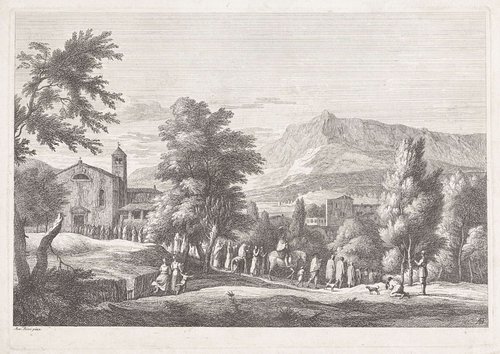
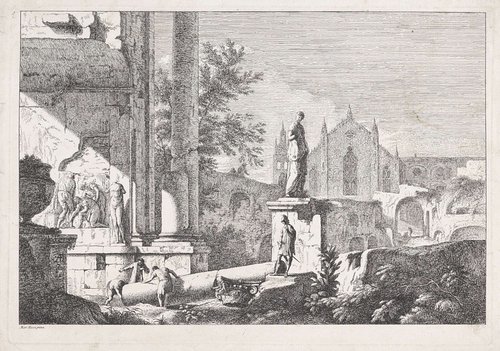
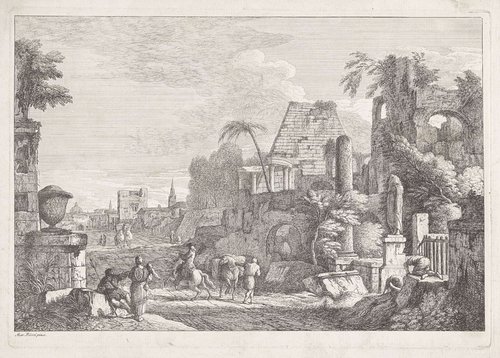
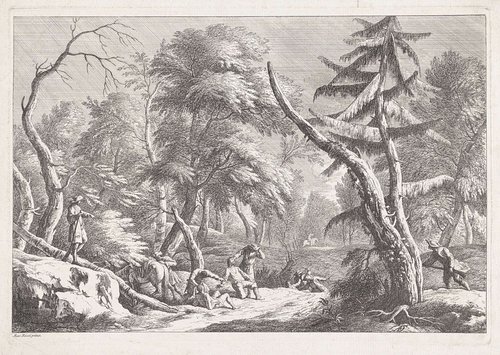
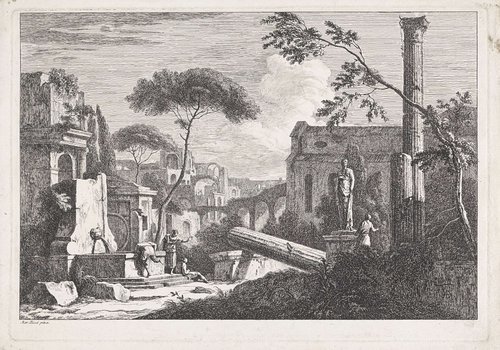
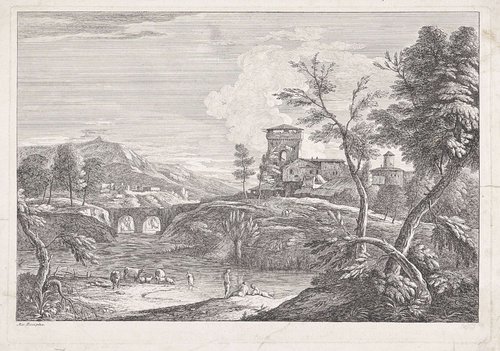
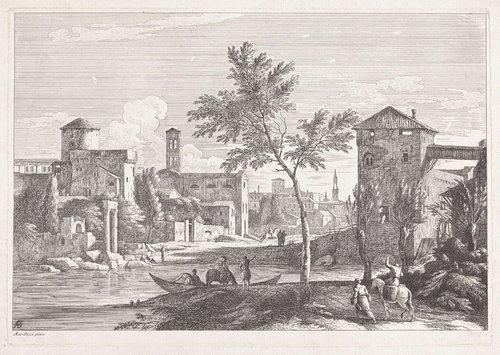
Davide Antonio Fossati (1708-1795) was a Swiss-Italian painter and etcher who specialized in fresco painting, particularly architectural and decorative works. Born at Morcote, Ticino, Switzerland in 1708, Fossati moved to Venice in 1720 at the young age of twelve, where he would spend most of his professional life working on decorative commissions for noble palaces and important churches across the Habsburg territories and Italy. Fossati's career took him across Central Europe and Italy. From 1723 to 1728, he worked successfully in Vienna decorating important noble palaces and city churches. He then traveled to Bratislava and northern Hungary (1728-1729) before returning to work alternately in Venice and his birthplace Morcote. In 1743, he published a significant collection of etchings after paintings by Marco Ricci, demonstrating his skills as both reproductive printmaker and independent artist. His standing in the artistic community brought prestigious honors: in 1775, he was named an honorary member of the Academy of Fine Arts in Venice, and in 1778 he became a member of the Accademia Clementina in Bologna and the painters' college of Venice. According to the authoritative Historical Dictionary of Switzerland, he died on December 28, 1795, in Venice, having spent seventy-five years contributing to decorative painting and printmaking in the Venetian sphere of influence.
Davide Antonio Fossati was born in 1708 at Morcote in the Italian-speaking Canton of Ticino, Switzerland. In 1720, at age twelve, he moved to Venice, then one of Europe's leading artistic centers, to pursue training in painting. He specialized in fresco painting, particularly architectural and decorative works for palaces and churches. From 1723 to 1728, he worked in Vienna, the capital of the Habsburg Empire, where he successfully executed decorative commissions for important noble palaces and city churches. His work then took him to Bratislava and northern Hungary (1728-1729), extending his experience across the Habsburg territories.
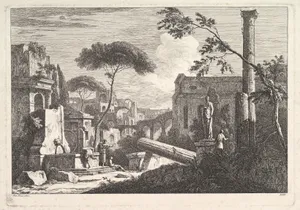
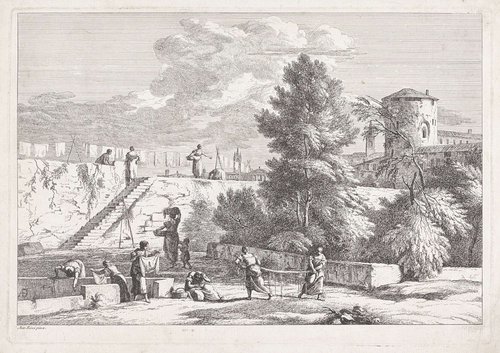
After his travels through Habsburg lands, Fossati returned to work primarily in Venice, though he maintained connections to his birthplace Morcote. In 1743, he published a collection of etchings after paintings by Marco Ricci, the Venetian landscape painter. This publication demonstrated Fossati's abilities as both reproductive printmaker and businessman, disseminating Ricci's compositions to wider audiences. His standing in the artistic community brought prestigious recognition: in 1775, the Academy of Fine Arts in Venice named him an honorary member, acknowledging his contributions to Venetian art. In 1778, he received membership in the Accademia Clementina in Bologna and the painters' college of Venice, cementing his position within the institutional art world. According to the Historical Dictionary of Switzerland, Fossati died on December 28, 1795, in Venice, at age eighty-seven, having maintained an active career for more than seven decades.
Artheon Research Team
Last updated: 2025-11-09
Biography length: ~473 words
Wikidata (CC0); Getty ULAN (ODC-By)