Ctrl K
1632–1704
Occupations
Franciscus de Neve (II) (1632–after 1704) was a Flemish painter and engraver whose international career spanning Italy, Southern Germany, and Austria exemplifies the mobility and adaptability of Baroque artists in Catholic Europe. Born in Antwerp during the height of Flemish Baroque culture, de Neve built his reputation through religious altarpieces, mythological narratives, and landscape compositions that blended Northern European naturalism with Italianate compositional grandeur. His decade in Rome (1660–1670) immersed him in the theatrical drama of Italian Baroque, where he contributed paintings to the prestigious Palazzo Doria-Pamphilj alongside Pietro da Cortona, one of the era's most celebrated fresco painters. De Neve's subsequent travels through the German-speaking lands and Austria brought him commissions from archbishops and Benedictine abbeys, producing altarpieces that adorned churches in Salzburg, Kremsmünster, Garsten, and Admont. His landscapes, known primarily through engravings published by Giovanni Giacomo de Rossi in Rome, circulated widely throughout Europe, disseminating his pictorial ideas beyond the specific contexts of their original commissions. Returning to Antwerp in the late 1680s, he rejoined the Guild of Saint Luke, completing the arc of a career that had taken him across the Catholic world while maintaining roots in his native Flemish traditions.
Franciscus de Neve was born in February 1632 in Antwerp, the commercial and artistic capital of the Southern Netherlands (modern Belgium). His birth occurred during a period of Antwerp's artistic brilliance, when the legacy of Peter Paul Rubens dominated Flemish painting and the city maintained its position as a major center for art production despite political upheavals and economic challenges.
De Neve entered an artistic environment shaped by Rubens's Baroque dynamism, van Dyck's refined portraiture, and a thriving tradition of landscape painting. His father, also named Franciscus de Neve (I), was an artist, creating some confusion among art historians attempting to distinguish their respective works. Growing up in an artistic household provided young Franciscus with direct exposure to professional practice and likely facilitated his entry into formal training.
He received his artistic education in Antwerp's workshop system, learning the technical foundations of painting—panel and canvas preparation, pigment mixing, compositional construction, and the iconographic traditions of religious and mythological subjects. The Flemish tradition emphasized meticulous craftsmanship, rich coloration, and the integration of naturalistic detail within idealized compositions.
By his late twenties, de Neve had decided to pursue the traditional path of Flemish artists seeking advancement: travel to Italy, the acknowledged source of classical culture and contemporary artistic innovation.
De Neve established himself in Rome from 1660 to 1670, a crucial decade that transformed his artistic identity. Rome was not merely a city but an academy of visual culture, where ancient ruins, Renaissance masterpieces, and contemporary Baroque spectacle coexisted in overwhelming abundance. For Northern European artists, residence in Rome was essential for professional credibility and artistic sophistication.
His most prestigious Roman commission was contributing paintings to the Palazzo Doria-Pamphilj, one of Rome's grandest aristocratic palaces. Working alongside Pietro da Cortona (1596–1669)—the preeminent fresco painter of the Roman High Baroque—positioned de Neve among elite artistic circles. Though the specific subjects and locations of his Doria-Pamphilj paintings remain to be fully documented, the collaboration indicates his mastery of religious subjects, mythological narratives, and decorative painting suitable for palatial contexts.
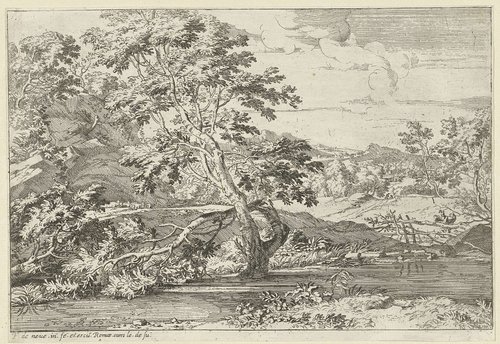
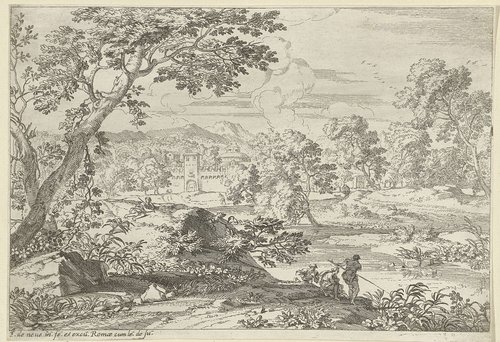
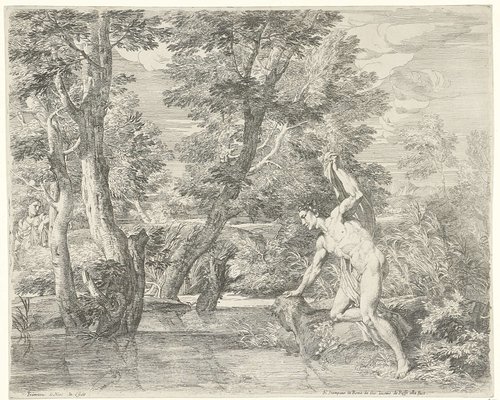
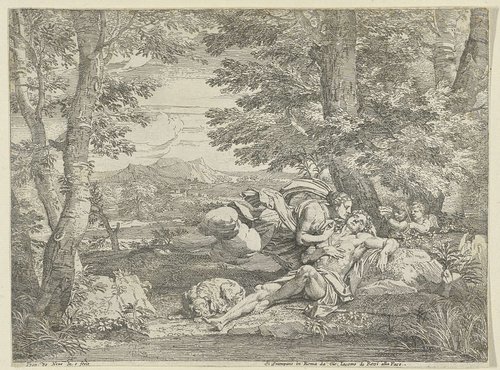
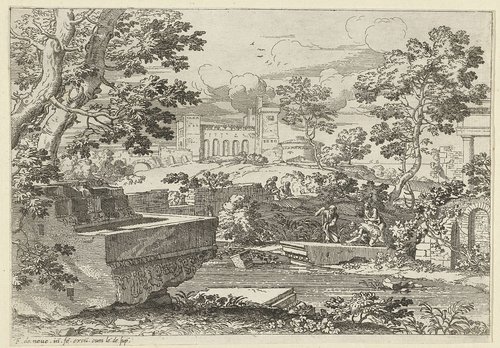
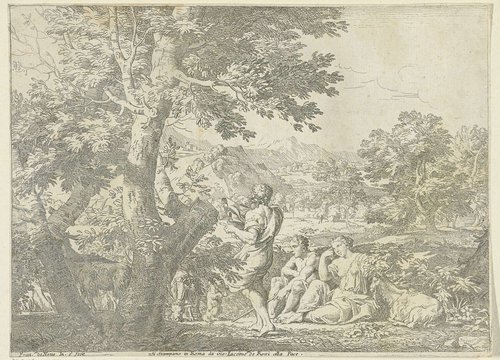
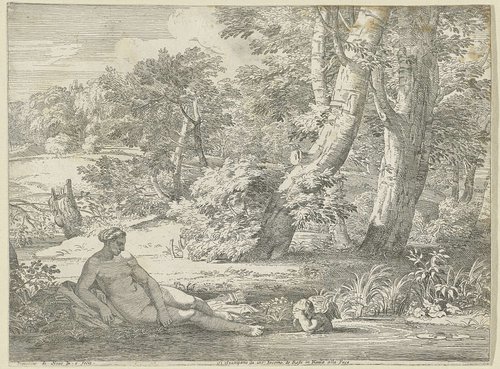
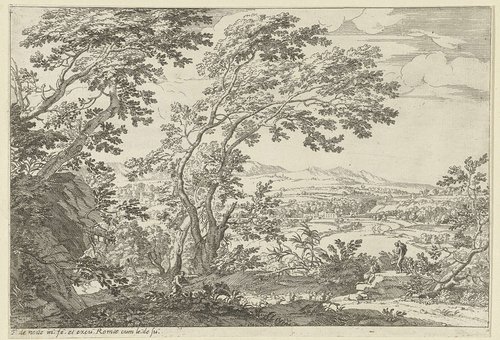
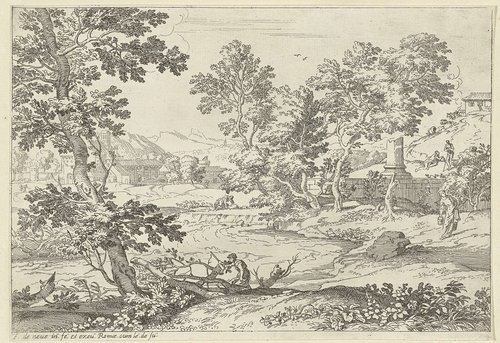
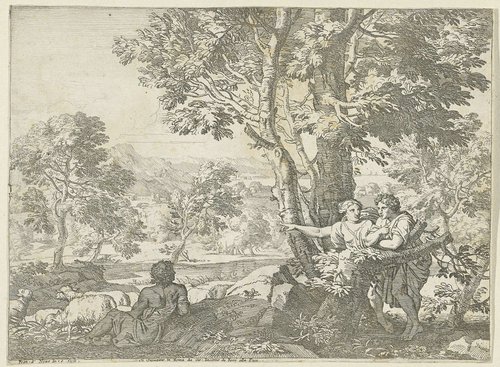
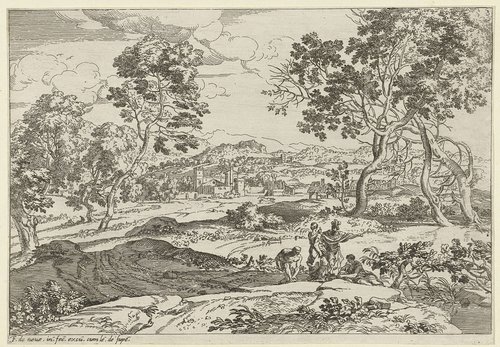
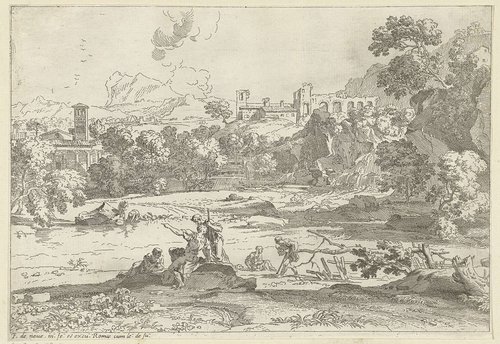
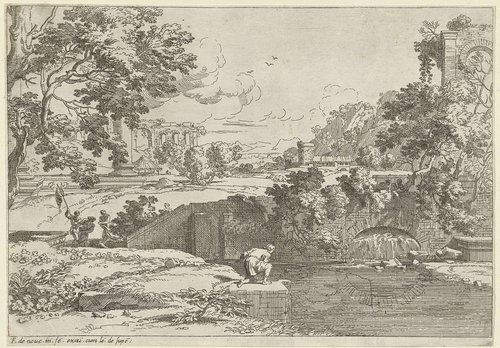
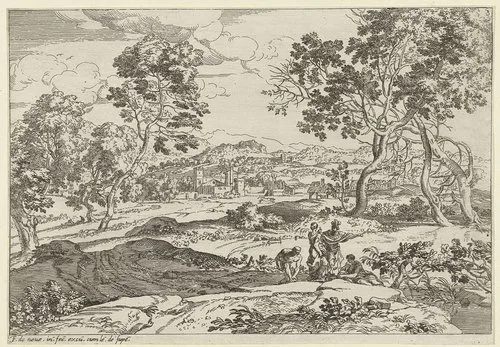
During this Roman period, de Neve produced religious subjects, mythological scenes, and landscapes. His landscapes became particularly significant for their wide dissemination through engravings published by Giovanni Giacomo de Rossi alla Pace in the 1660s. A large number of small, unsigned landscape compositions are known almost exclusively through these engravings, with few surviving oil originals. These prints circulated throughout Europe, making de Neve's landscape compositions accessible to collectors, artists, and patrons who would never see the original paintings.
The Roman artistic environment—characterized by dramatic lighting, dynamic compositions, emotional intensity, and integration of architecture, sculpture, and painting—profoundly influenced de Neve's mature style, tempering his Flemish precision with Italian theatricality.
Leaving Italy, de Neve traveled to Southern Germany, working in the prosperous cities of Augsburg and Munich. These urban centers, enriched by trade and princely patronage, supported active artistic communities producing paintings, frescoes, and decorative arts for churches, palaces, and civic buildings.
From Germany he proceeded to Austria, where between 1669 and 1689 he secured major commissions from ecclesiastical patrons. The Archbishop of Salzburg employed him to produce altarpieces for churches under archiepiscopal authority, while several Benedictine abbeys—Kremsmünster, Garsten, and Admont—commissioned religious paintings for their monastic churches.
These altarpieces represented significant commissions requiring large-scale compositions, iconographic sophistication, and emotional impact appropriate to liturgical settings. Benedictine abbeys, as centers of learning, culture, and economic power, sought artworks that reflected their spiritual missions and institutional prestige. De Neve's ability to secure such commissions indicates his reputation had preceded him, likely through networks of aristocratic and ecclesiastical patrons connected across Catholic Europe.
His religious paintings combined Flemish attention to material textures and naturalistic detail with the dramatic compositions and emotional intensity characteristic of Italian and Southern German Baroque. The Counter-Reformation Church valued art that communicated theological truths with visual clarity and emotional persuasiveness—qualities de Neve's training and Italian experience enabled him to provide.
In the late 1680s, after nearly three decades abroad, de Neve returned to Antwerp. In 1690–91, he was admitted as a master in the local Guild of Saint Luke, the professional organization governing artistic practice in the city. This admission formalized his reintegration into Antwerp's artistic community and granted him the legal right to maintain a workshop, accept commissions, and train apprentices.
His return coincided with Antwerp's gradual artistic decline from its seventeenth-century peak, yet the city maintained an active artistic community producing paintings for local churches, religious institutions, and private collectors. De Neve's international experience and connections likely distinguished him among local practitioners.
The later years of his career remain less documented, but he continued active until at least 1704, the last confirmed date associated with his life. He died in Antwerp sometime after 1704, concluding a career that had spanned the Catholic world from Flanders to Italy to the German-speaking lands.
His legacy rests particularly in his landscape engravings, which continued to circulate and influence European landscape conception long after his death, and in his altarpieces, which adorned Austrian churches as testimony to the international networks of Baroque artistic patronage.
Artheon Research Team
Last updated: 2025-11-09
Biography length: ~485 words
Wikidata (CC0)