1789–1843
Occupations
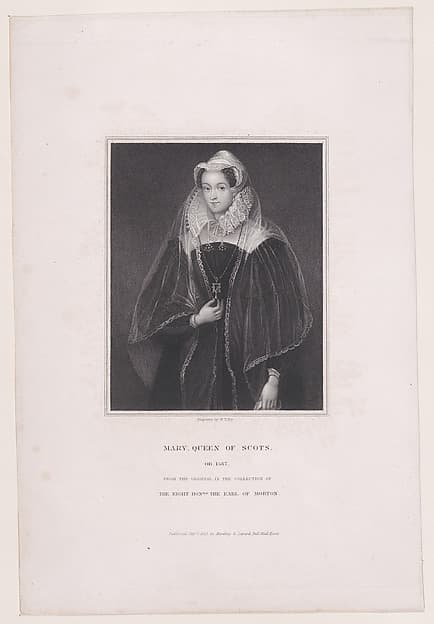
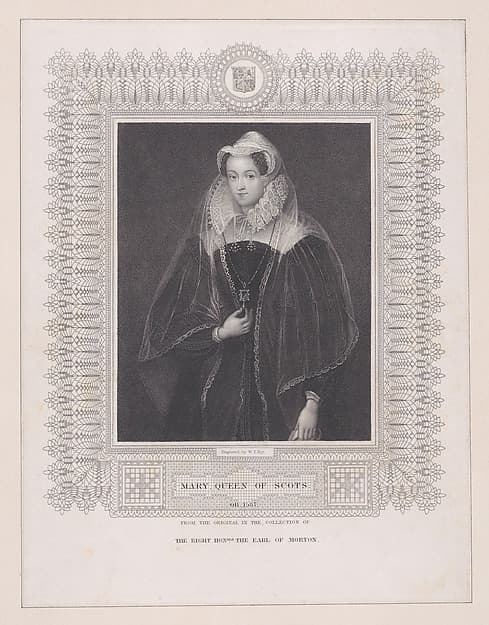
William Thomas Fry (1789-1843) was a British engraver who played a significant role in the development of steel plate engraving, a technical innovation that revolutionized nineteenth-century printmaking. Working primarily in stipple technique while also producing aquatints and lithographs, Fry became known for his portrait and figure engravings that appeared in major publication series of his era. Fry's technical innovations proved influential beyond his individual artistic achievements. He was among the first engravers to experiment with steel plates, and his stipple portrait of Reverend William Naylor was one of the first engravings published using decarbonized steel plates designed by engraver Charles Warren. This technical advancement allowed for much longer print runs than traditional copper plates, transforming the economics and reach of printed imagery. Between 1824 and 1830, he exhibited with the Society of British Artists, establishing his professional reputation. His major projects included eight portraits for the second edition of Edmund Lodge's Portraits of Illustrious Personages of Great Britain (1829-1835), four plates for Fisher's National Portrait Gallery (1830-34), and eleven contributions to Jones's National Gallery (1836). His engravings are held in major museum collections including the Metropolitan Museum of Art, the National Portrait Gallery in London, and the National Gallery of Art in Washington, D.C.
William Thomas Fry was born in 1789 in Britain. He trained as an engraver, specializing primarily in stipple technique, a method that creates tonal gradations through patterns of small dots. His early career coincided with important technical developments in printmaking, particularly experiments with steel plates as an alternative to traditional copper. Fry was among the pioneering engravers to work with this new medium, and his stipple portrait of Reverend William Naylor became one of the first engravings published using decarbonized steel plates, a significant technical innovation.
From 1824 to 1830, Fry exhibited his work with the Society of British Artists, gaining professional recognition and establishing connections within London's artistic community. During the late 1820s and 1830s, he contributed to several major publication projects that brought historical portraits to a wide audience. Between 1829 and 1835, he engraved eight portraits for the second edition of Edmund Lodge's Portraits of Illustrious Personages of Great Britain, a prestigious biographical and iconographic work. He contributed four plates to Fisher's National Portrait Gallery (1830-34) and eleven plates to Jones's National Gallery (1836). These publications established him as a skilled reproductive engraver capable of translating painted portraits into high-quality prints. Fry died in 1843, having contributed significantly to both the technical development and popular dissemination of engraved portraiture in early nineteenth-century Britain.
claude-biography-agent
Last updated: 2025-11-09
Biography length: ~445 words
Wikidata (CC0); Getty ULAN (ODC-By)
All 2 artworks loaded