Ctrl K
1650–1728
Occupations
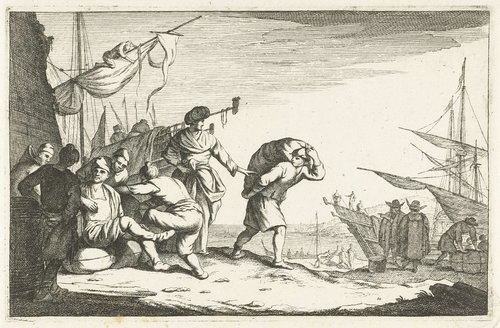
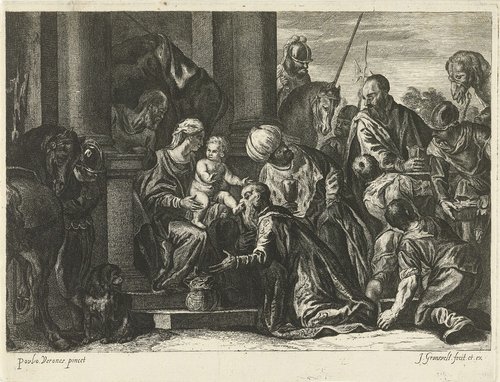
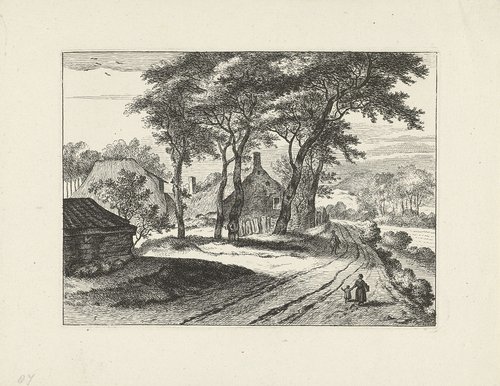
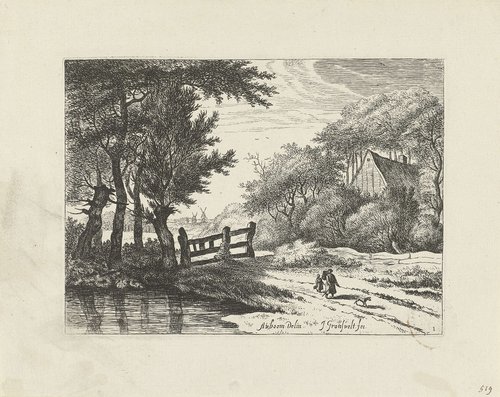
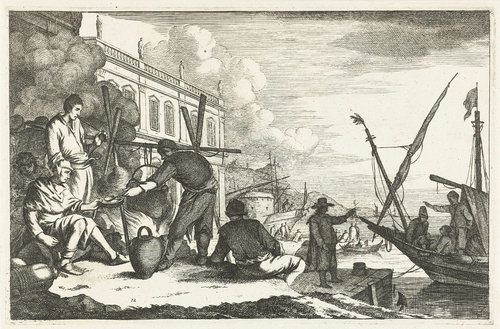
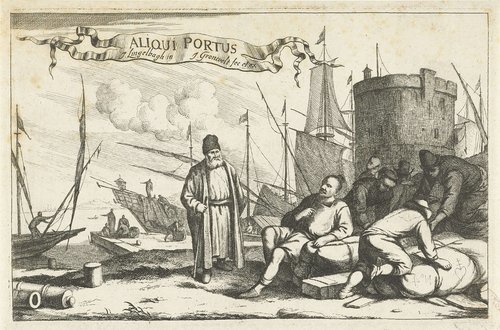
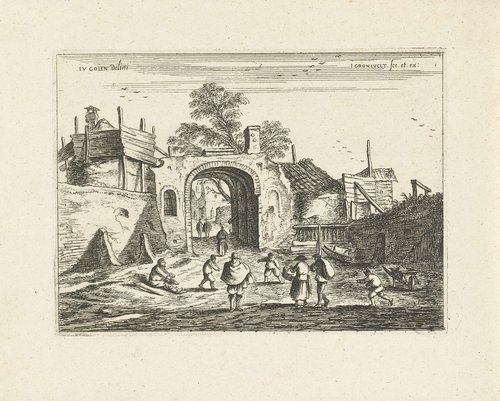
Johannes Gronsveld (also spelled Gronsvelt or Groensveld, active 1679–1728) was a Dutch engraver working in Amsterdam during the late seventeenth and early eighteenth centuries, specializing in reproductive engravings after works by prominent Dutch and Flemish painters. His career coincided with the post-Golden Age period of Dutch art, when the explosive creativity of the mid-seventeenth century had given way to a more settled practice focused substantially on reproductive printmaking that disseminated Dutch artistic achievements to broader audiences across Europe.
Johannes Gronsveld was active in Amsterdam from 1679 to 1728, working during a period when Amsterdam remained a major center for printmaking and publishing despite the Dutch Republic's declining political and economic dominance. The city's established printing infrastructure, skilled craftsmen, and networks of publishers and dealers continued to support significant print production.
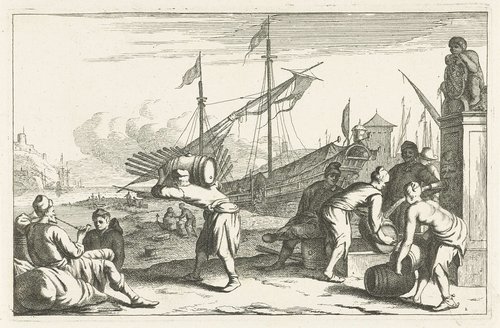
Gronsveld specialized in reproductive engraving, creating line engravings and etchings that translated paintings and drawings into prints. This work required both technical mastery of engraving techniques and aesthetic judgment in interpreting works originally created in other media. Successful reproductive engravers like Gronsveld served crucial cultural functions: they made images of important paintings available to those who could never see the originals, they generated income for publishers and dealers, and they helped establish and maintain the reputations of the painters whose works they reproduced.
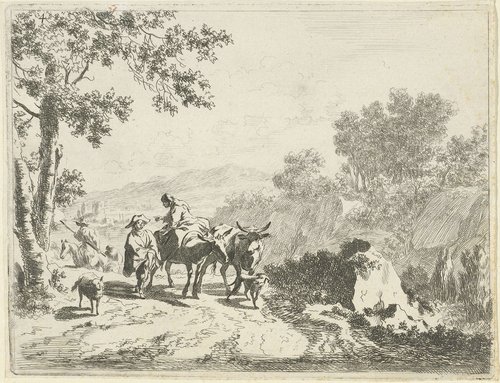
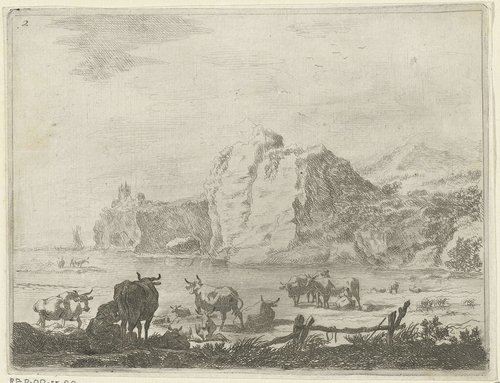
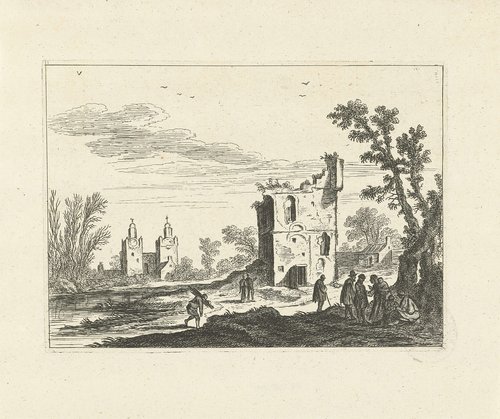
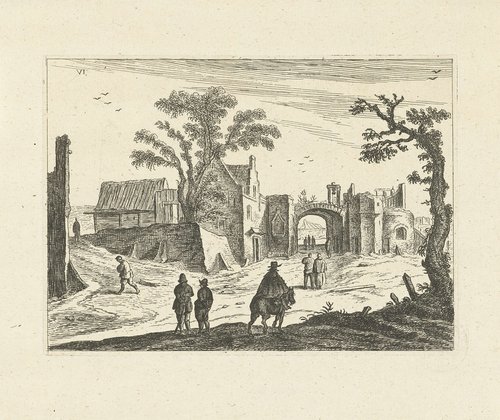
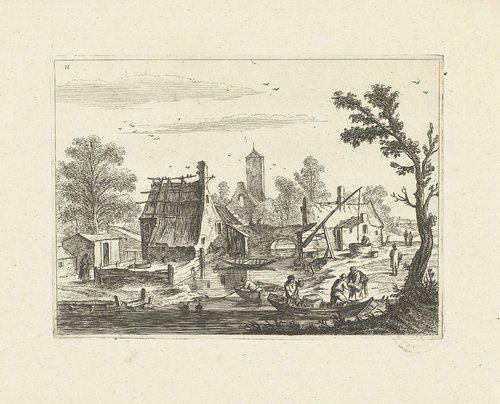
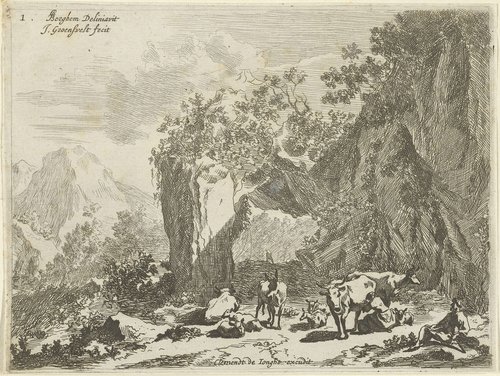
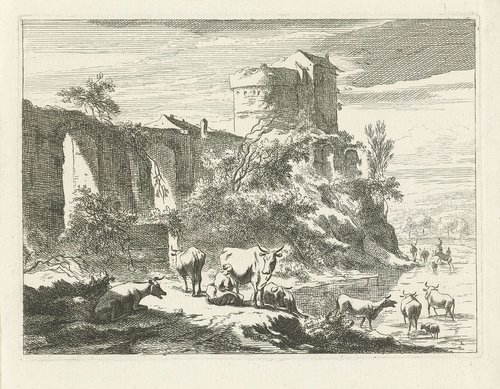
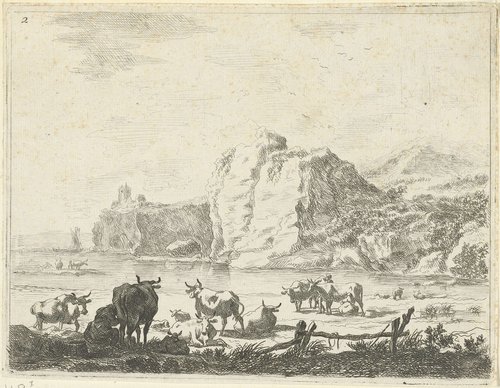
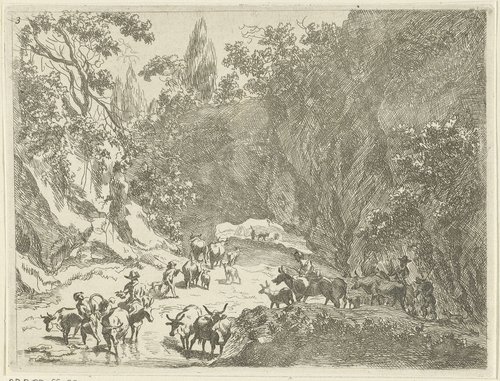
Among Gronsveld's significant bodies of work were reproductive engravings after Sir Anthony van Dyck, the Flemish Baroque painter renowned for his elegant portraits of European aristocracy. Van Dyck's works were highly sought after, and engravings after his paintings found ready markets. Gronsveld also created prints after Nicolaes Pietersz. Berchem (1620–1683), a Dutch Golden Age painter celebrated for his Italianate landscapes featuring shepherds, livestock, and Mediterranean light. The Rijksmuseum in Amsterdam holds several of Gronsveld's engravings after Berchem, including landscape scenes with ruins, herders on hillsides, and pastoral subjects.
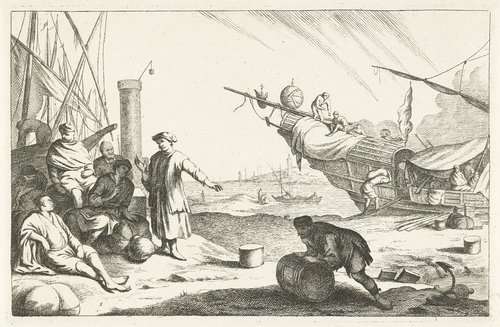
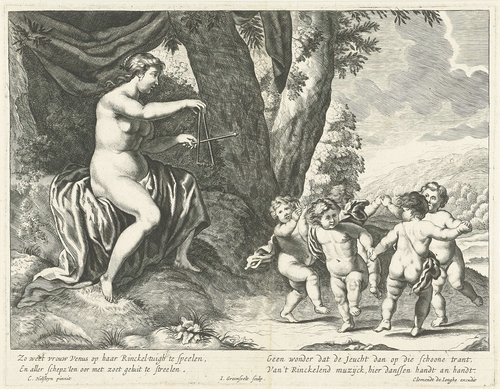
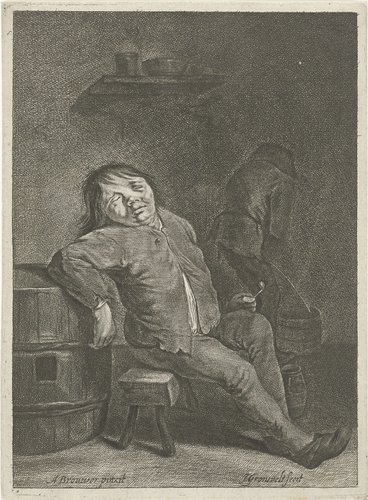
Another important collaboration involved reproducing works by Peter Paul Rubens (1577–1640), the great Flemish Baroque painter. Gronsveld created engravings of Rubens's compositions, including works featuring putti (cherubic children), demonstrating his ability to translate Rubens's dynamic, painterly style into the linear medium of engraving. He also worked after designs by Adriaen Brouwer, an important Flemish artist known for genre scenes of peasant life.
Gronsveld's prints appeared in various contexts: as standalone images for collectors, as illustrations for books, and as part of print series. The market for reproductive engravings remained strong throughout this period, as prints were affordable, portable, and collectible. For educated audiences across Europe, collections of fine engravings provided access to important art and served as resources for study, inspiration, and aesthetic pleasure.
Artheon Research Team
Last updated: 2025-11-09
Biography length: ~658 words
Wikidata (CC0); Getty ULAN (ODC-By)