Ctrl K
b. 1790
Occupations
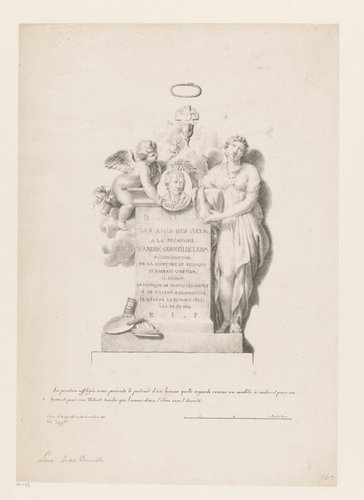
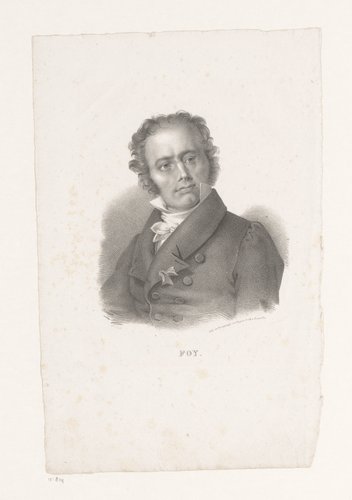
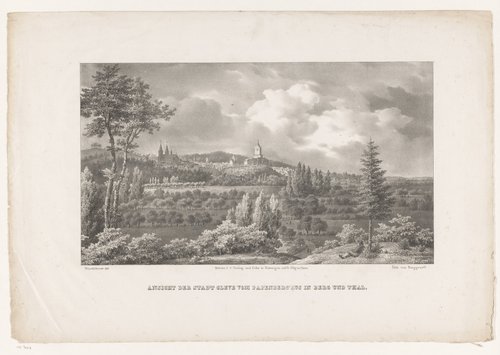
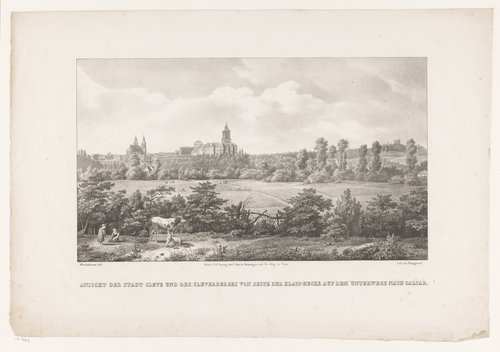
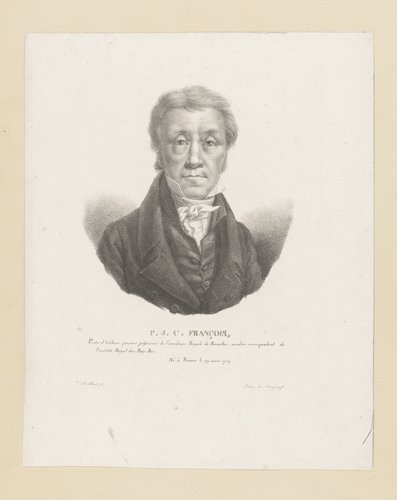
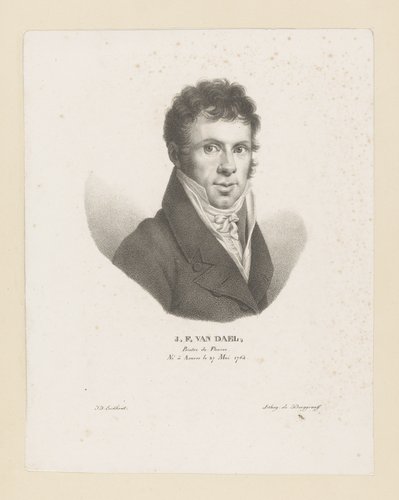
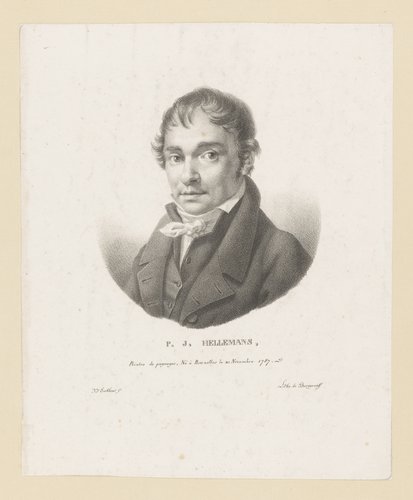
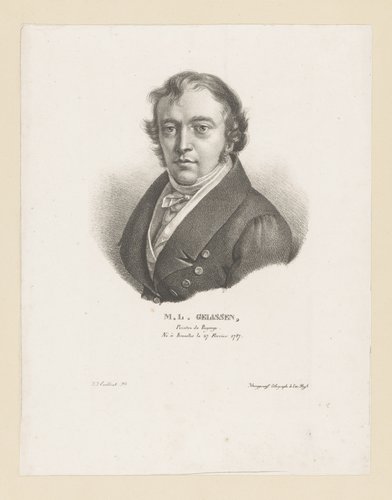
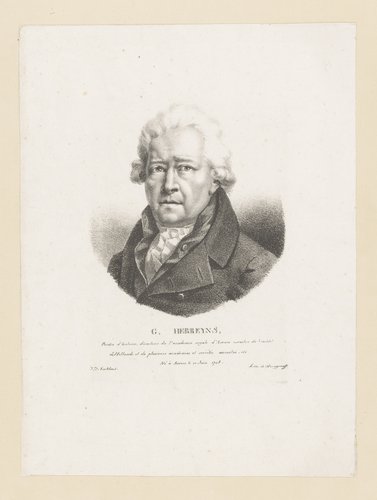
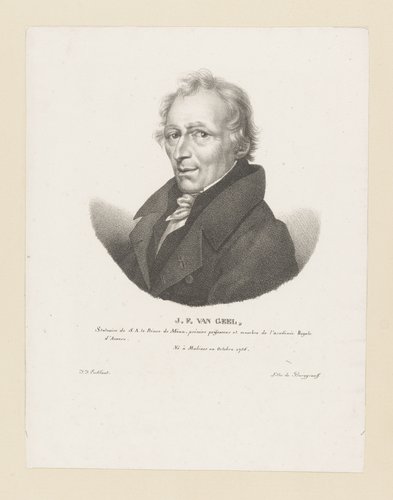
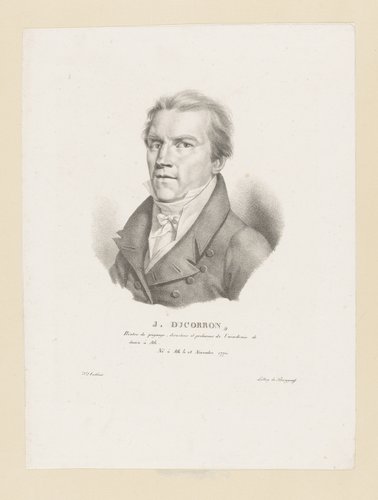
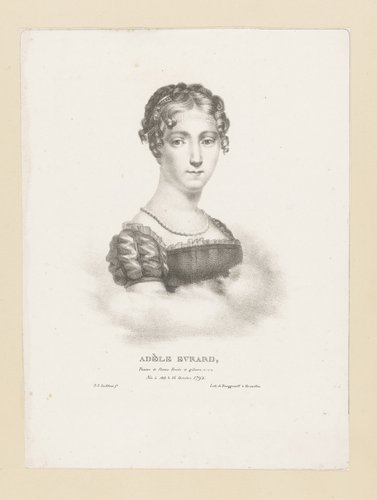
Guillaume Philidor van den Burggraaff (born 1790) was a Belgian lithographer and engraver who worked in Brussels during the early-to-mid 19th century, contributing to the documentation of Belgian street life and popular culture through his lithographic prints. Born in Brussels in 1790, van den Burggraaff held the title of lithographer to the Royal Academy, indicating official recognition and institutional connections. His work focused primarily on lithographs depicting scenes of daily life, street vendors, and popular customs, often after designs by other artists, particularly Jacob Joseph Eeckhout. These prints provide valuable historical documentation of early 19th-century Belgian urban life and costume. With at least 106 prints preserved in collections including the Rijksmuseum, British Museum, and Hamburg Kunsthalle, van den Burggraaff's work remains important for understanding both the development of lithography in Belgium and the visual culture of the period.
Guillaume Philidor van den Burggraaff was born in 1790 in Brussels, in what was then part of the Austrian Netherlands. His birth year placed him in the generation that would experience the profound political upheavals of the Napoleonic era and the eventual establishment of the United Kingdom of the Netherlands (1815–1830) and independent Belgium (from 1830).
Little is known of his early artistic training, but his later technical competence in lithography indicates thorough education in this relatively new printmaking technique. Lithography, invented by Alois Senefelder in 1796, was still a novel medium in the early 19th century, and van den Burggraaff's mastery of it positioned him at the forefront of contemporary printmaking technology.
By the early 1800s, he was active as a lithographer and engraver in Brussels, using variant names including Guillaume Philidor Vandenburggraaff, G. P. van den Burggraff, and simply Burggraaff.
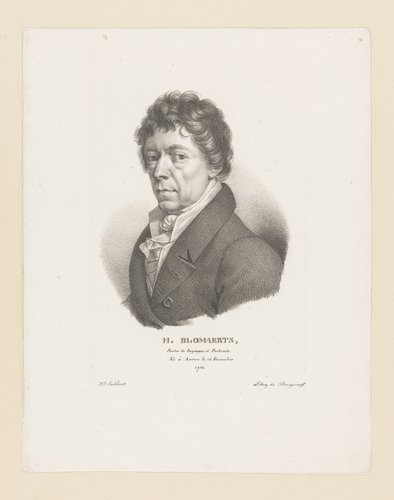
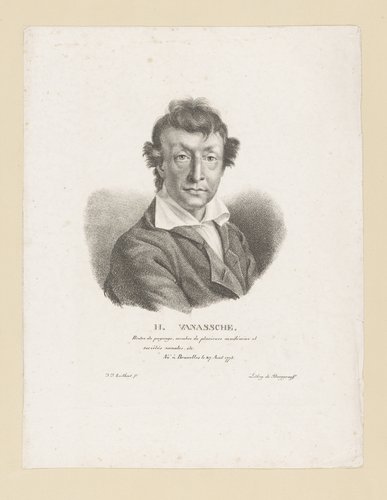
Van den Burggraaff held the official title of lithographer to the Royal Academy, indicating institutional recognition and probably providing steady work creating prints for academic purposes, publications, and official documentation. This position reflected his professional standing and technical expertise.
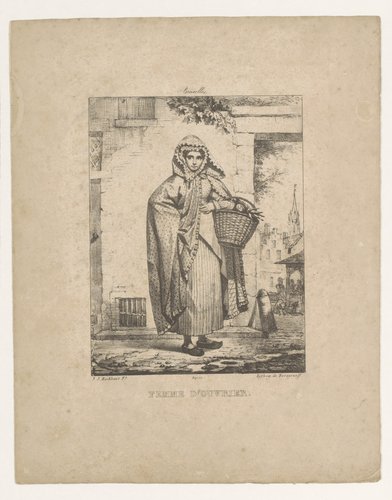
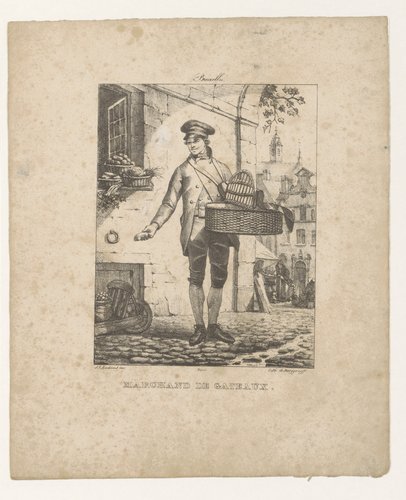
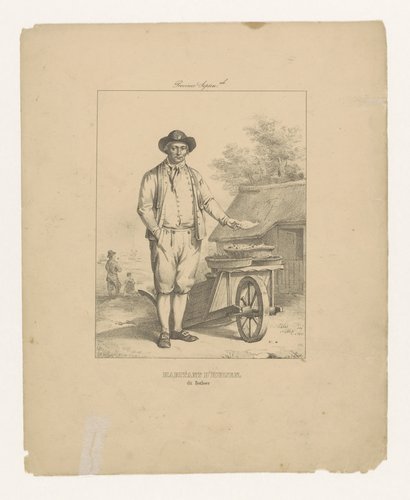
His work included creating lithographs after designs by other artists, particularly Jacob Joseph Eeckhout (1793–1861), a Belgian painter known for genre scenes and depictions of daily life. Prints dating from 1822 show this collaboration was well-established by the early 1820s.
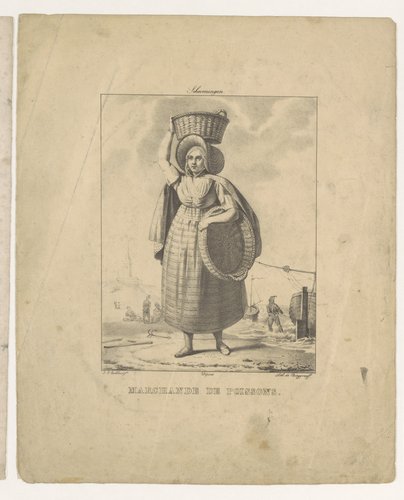
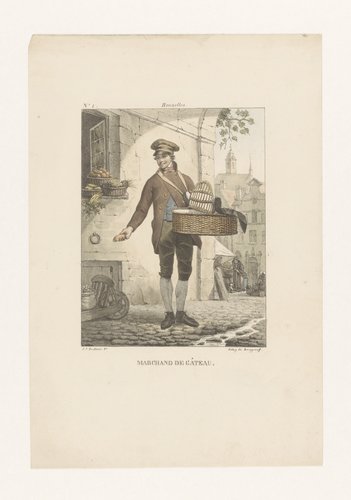
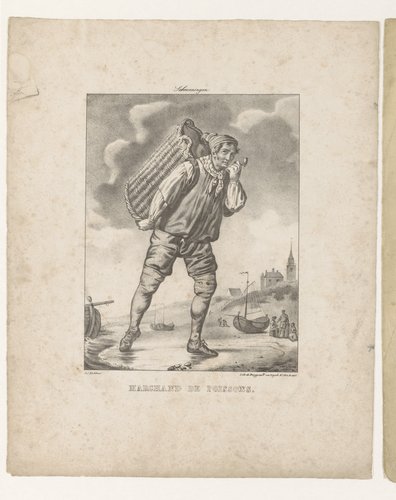
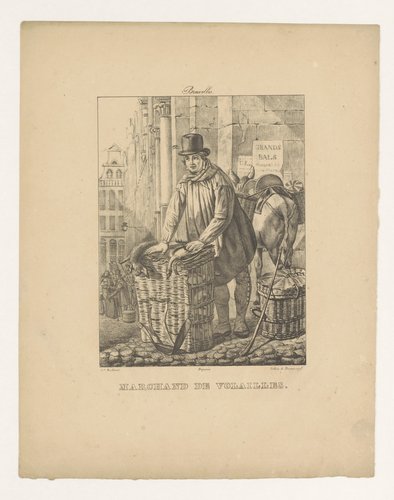
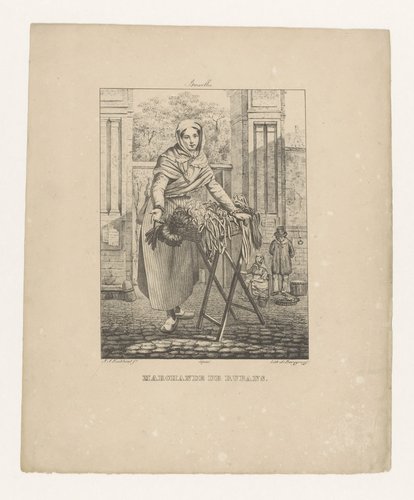
His subjects focused on scenes of Brussels street life—vendors selling ribbons, poultry sellers, and other figures from urban popular culture. These prints, often titled in French (e.g., 'Bruxelles-Marchande de Rubans,' 'Verkoper van gevogelte'), documented the appearance, costume, and activities of ordinary people in early 19th-century Brussels.
Such genre prints served multiple markets: as souvenirs for travelers, as documentary records of local customs and costumes, and as collectible prints for those interested in picturesque subjects. They also contributed to emerging national consciousness by documenting what made Belgian culture distinctive.
His work found collectors internationally, with prints eventually entering major museum collections including the Rijksmuseum in Amsterdam, the British Museum in London, and the Hamburg Kunsthalle in Germany. At least 106 prints by van den Burggraaff are preserved in institutional collections.
Artheon Research Team
Last updated: 2025-11-09
Biography length: ~736 words
Wikidata (CC0)