Ctrl K
1730–1820
Occupations
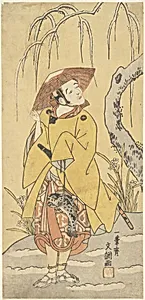
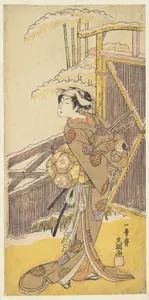
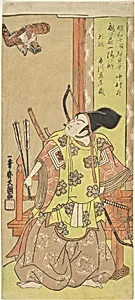
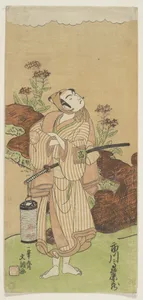
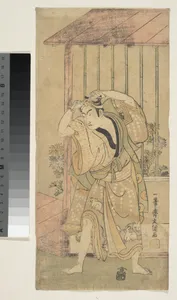
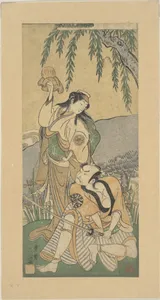
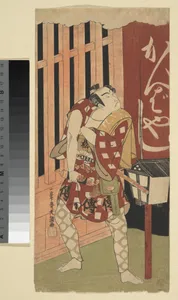
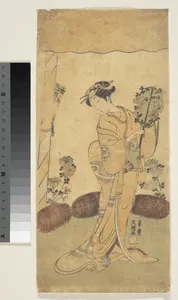
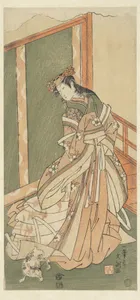
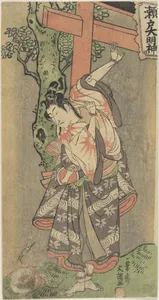
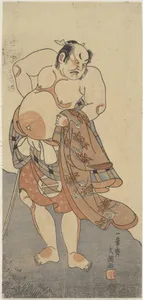
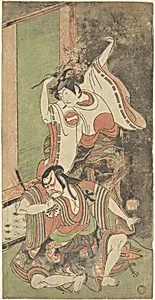
Ippitsusai Bunchō (active c. 1765–1792) stands as one of the pivotal figures in the development of ukiyo-e actor portraiture, a artist whose innovations fundamentally transformed how kabuki actors were depicted in Japanese woodblock prints. Working during what scholars often call the 'golden age of ukiyo-e,' Bunchō, along with his contemporary Katsukawa Shunshō, revolutionized the yakusha-e (actor print) genre by introducing realistic portraiture that captured the actual physiognomy of individual actors rather than relying on the stylized, generic faces that had characterized earlier theatrical prints. Before Bunchō and Shunshō's innovations, actor prints followed the conventions established by the Torii school, which had dominated theatrical imagery since the late seventeenth century. These prints emphasized bold compositions and dramatic poses but rendered actors' faces as conventional types, making individual identification difficult except through costume, crest, and accompanying text. Bunchō's approach was radically different: his actor portraits were genuine likenesses, capturing each performer's distinctive facial features, expressions, and personality. This shift from idealization to individualization paralleled broader developments in Edo-period culture, as sophisticated urban audiences increasingly demanded realism and specificity in their entertainment and art. Bunchō's artistic range extended beyond actor portraiture. He also created accomplished bijin-ga (pictures of beautiful women) that demonstrated the influence of Suzuki Harunobu's innovations in depicting female beauty, and he contributed to illustrated books and print series on various subjects. His work in actor portraiture, however, remains his most significant achievement. By developing a new visual language for depicting kabuki performers—one that honored their individual identities while celebrating their theatrical artistry—Bunchō helped establish actor prints as a major genre within ukiyo-e and created works that served both as art objects and as crucial historical documents of Edo-period theatrical culture.
Details of Ippitsusai Bunchō's early life remain frustratingly scarce, as is often the case with ukiyo-e artists, who were considered commercial artisans rather than fine artists and whose biographies were rarely recorded systematically. His birth name was Mori, and evidence suggests he was born around 1730, though some sources propose dates ranging from 1725 to 1730. The uncertainty surrounding these basic biographical facts reflects the general social status of ukiyo-e artists in Edo-period Japan, where even successful printmakers were not typically subjects of detailed biographical documentation.
What is known is that Bunchō received training in painting, likely studying under Ishikawa Yukimoto of the Kanō school. The Kanō school was the officially sanctioned painting academy of the Tokugawa shogunate, with a lineage extending back to the fifteenth century. Kanō training emphasized mastery of both Chinese-inspired ink painting and Japanese decorative techniques, along with rigorous practice in copying masterworks. This formal training in a prestigious school suggests that Bunchō came from a family of at least modest means and that he received a thorough grounding in traditional Japanese painting techniques.
However, like many artists of his generation, Bunchō was drawn to ukiyo-e, the 'pictures of the floating world' that depicted contemporary urban life rather than the historical and literary subjects favored by academic painting. Ukiyo-e offered opportunities for commercial success and allowed artists to engage directly with Edo's vibrant popular culture. The tension between his Kanō training and his ukiyo-e practice would prove productive, as his academic background gave him technical skills and compositional sophistication that elevated his commercial work.
The earliest documented works attributed to Bunchō are illustrations for the book 'Eiga asobi nidai otoko' (The Playboy of Two Generations) by Hachimonji Jishō II, published in 1755. These early illustrations demonstrate competent draftsmanship but do not yet display the innovative approach to portraiture that would characterize his mature work. During the decade between 1755 and 1765, Bunchō presumably continued working as an illustrator and printmaker while developing his distinctive style.
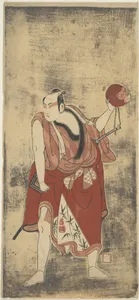
Around 1765, Bunchō began producing actor prints that would revolutionize the yakusha-e genre. These works, primarily executed in the narrow vertical format known as hosoban (approximately 13 × 6 inches), departed dramatically from the conventions established by the Torii school, which had dominated theatrical imagery since the time of Torii Kiyonobu in the late seventeenth century. While Torii school prints emphasized dynamic action and bold compositional design, they rendered actors' faces as stylized types, with features that varied little from one performer to another.
Bunchō's innovation was to create genuine portraits—images that captured each actor's distinctive physiognomy, characteristic expressions, and individual personality. When viewing a Bunchō actor print, knowledgeable Edo audiences could immediately identify not only which role was being depicted but which specific actor was performing it, based on facial features alone rather than relying solely on costume crests or accompanying text. This shift from type to individual, from idealization to realistic portraiture, represented a fundamental transformation in how theatrical imagery functioned.
This development did not occur in isolation. Bunchō worked in close parallel with Katsukawa Shunshō (1726–1792), and art historians credit both artists with developing realistic actor portraiture during the same period. The relationship between Bunchō and Shunshō remains unclear—whether they collaborated directly, influenced each other, or independently arrived at similar innovations. What is certain is that together they transformed yakusha-e, establishing a new standard that subsequent artists would follow.
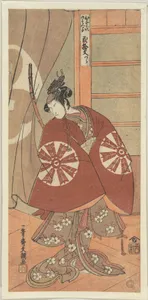
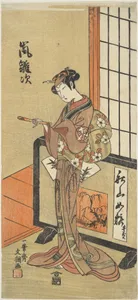
Between 1766 and 1774, Bunchō produced a large number of actor prints, predominantly in hosoban format. These works depicted the leading kabuki performers of the day, including such celebrated actors as Ichikawa Danjūrō IV, Segawa Kikunojō II, and Nakamura Matsue. His prints captured actors in their most famous roles, preserving for posterity the theatrical performances that were otherwise ephemeral. These images served multiple functions: as art objects for display, as souvenirs for theater enthusiasts, and as historical documents of kabuki performance.
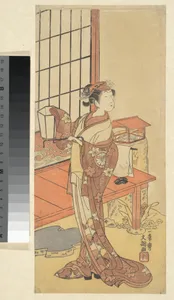
A landmark collaboration occurred in 1770 when Bunchō produced the three-volume 'Ehon butai ōgi' (Picture-book of Stage Fans) with Katsukawa Shunshō. This work depicted leading kabuki actors on ōgi (folding fans), with Bunchō specializing in onnagata—the male actors who portrayed female characters in kabuki. This division of labor reflected Bunchō's particular skill in depicting the subtle beauty and refinement required for onnagata portraiture, a genre that demanded both realism and idealization.
From 1769 onward, Bunchō expanded beyond actor portraiture to create bijin-ga—prints depicting beautiful women. This genre had been revolutionized in the late 1760s by Suzuki Harunobu (c. 1725–1770), who introduced full-color printing (nishiki-e) and developed a distinctively lyrical, delicate style of depicting women. Harunobu's sudden death in 1770 left a void in the bijin-ga market, and several artists, including Bunchō, attempted to fill it.
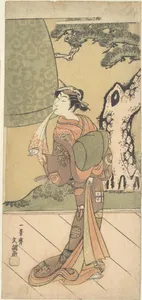
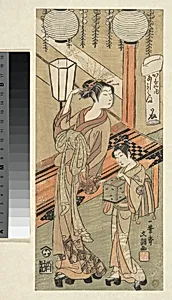
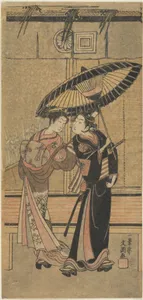
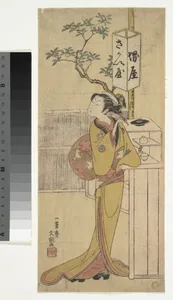
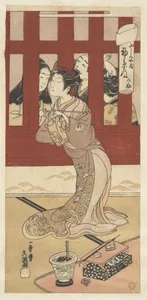
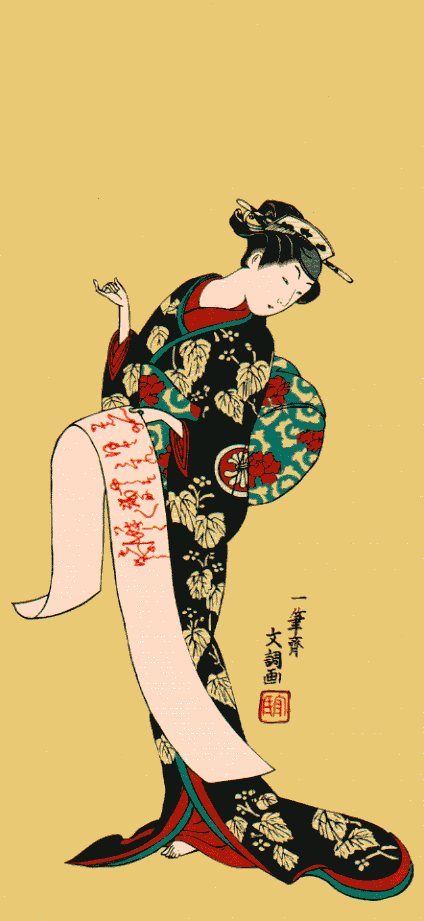
Bunchō's bijin-ga prints demonstrate clear influence from Harunobu's innovations. His depictions of women feature the same slender, graceful proportions and gentle, idealized features that characterized Harunobu's work. However, Bunchō brought his own sensibility to the genre, informed by his experience in realistic portraiture. While maintaining the idealizing conventions of bijin-ga, his female figures possess subtle individuality and psychological presence that distinguish them from mere generic beauties.
His bijin-ga works typically depicted courtesans, geisha, and women from the merchant class, shown in fashionable dress engaged in various activities—reading letters, arranging flowers, playing musical instruments, or simply posing elegantly. These prints appealed to sophisticated urban audiences who appreciated both the aesthetic beauty of the images and their documentation of contemporary fashion and customs. Like his actor prints, Bunchō's bijin-ga served dual functions as art and as ethnographic record.
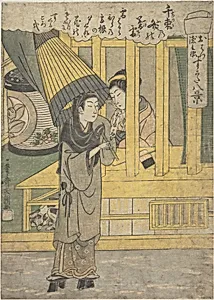
During this period, Bunchō also contributed to various illustrated books and collaborative print projects. His versatility allowed him to work in multiple formats and genres, though he never achieved the level of commercial success or historical fame of some contemporaries. His work was respected by connoisseurs for its technical sophistication and realistic approach, but it perhaps lacked the immediate popular appeal of more decorative or dramatic styles.
Bunchō's last documented work is an e-goyomi (picture calendar) from 1790, suggesting that his productive period ended around this time. The circumstances of his later life and death remain unknown. Unlike some ukiyo-e artists who achieved substantial fame and left relatively detailed biographical records, Bunchō seems to have lived and worked in relative obscurity, his significance only fully recognized by later art historians who understood the revolutionary nature of his contribution to actor portraiture.
Artheon Research Team
Last updated: 2025-11-09
Biography length: ~1,587 words
Wikidata/Wikimedia Commons