Ctrl K
1713–1789
Occupations
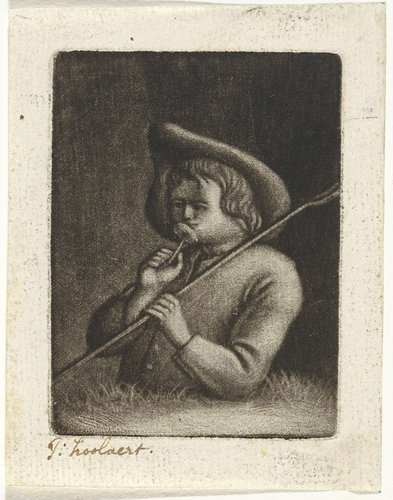
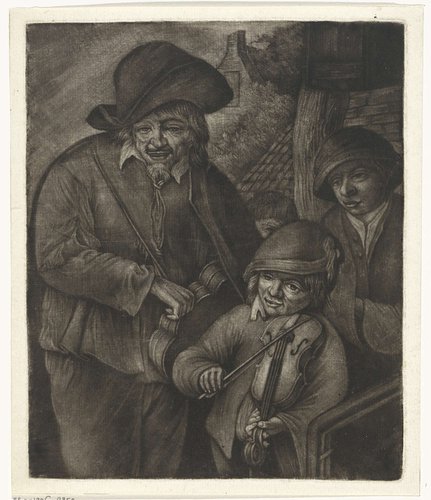
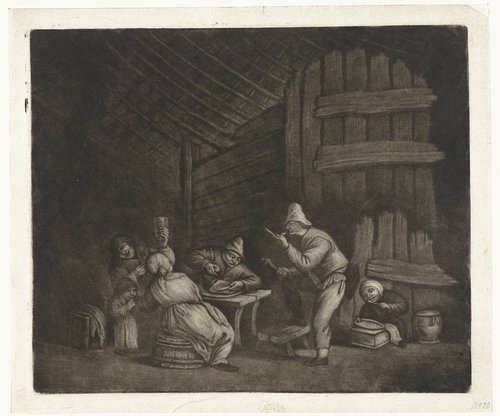
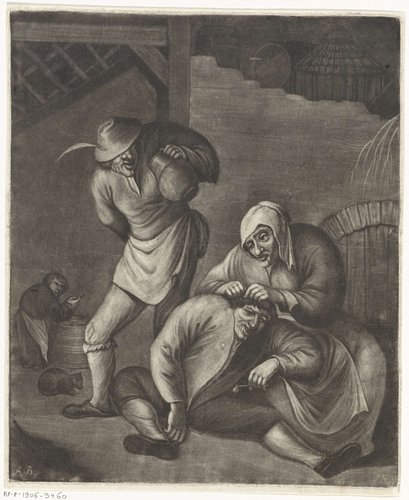
Jacob Hoolaart (1713–1789) was a Dutch engraver from Dordrecht whose career spanned much of the eighteenth century, working in the tradition of reproductive engraving that remained vital in the Netherlands long after the Dutch Golden Age. Known also by variant spellings including Hoolaert, Holaert, Holaart, and Holart, Hoolaart created etchings on paper that reproduced works by earlier Dutch and Flemish masters, serving both the collectors' market and the ongoing cultural project of preserving and disseminating the visual heritage of the Low Countries' artistic golden age.
Jacob Hoolaart was born on January 29, 1713, in Dordrecht, one of the Netherlands' oldest cities and an important artistic center during the Dutch Golden Age. Though Dordrecht's artistic prominence had diminished somewhat by the eighteenth century, it maintained traditions of craftsmanship and retained connection to its distinguished past as home to artists like Albert Cuyp and the Dordrecht school of landscape painters.
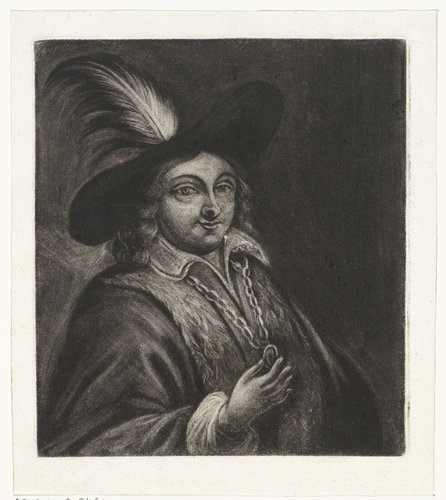
Hoolaart received training in engraving and established himself as a professional reproductive engraver, creating etchings that translated paintings and drawings into prints. This work required both technical mastery of etching technique and aesthetic judgment in interpreting works originally created in other media. Hoolaart developed facility in capturing the character of different artists' styles, enabling him to create effective reproductive prints after diverse sources.
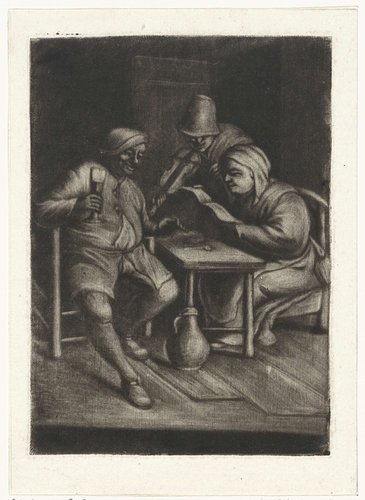
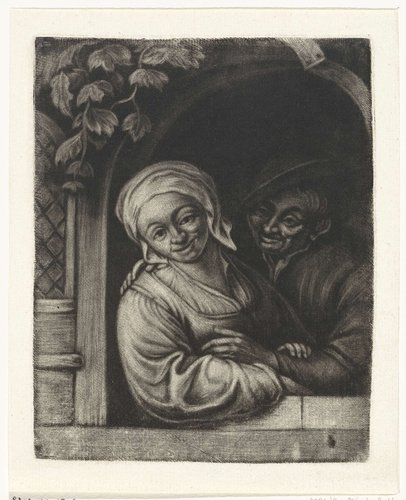
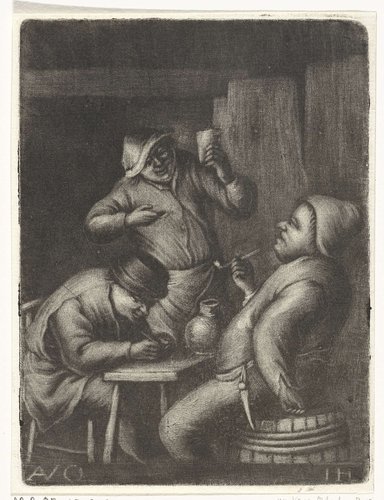
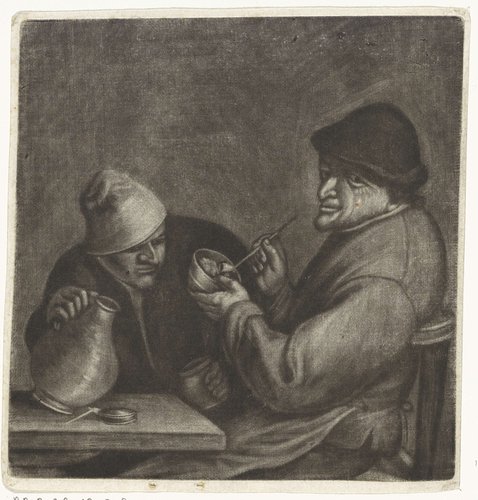
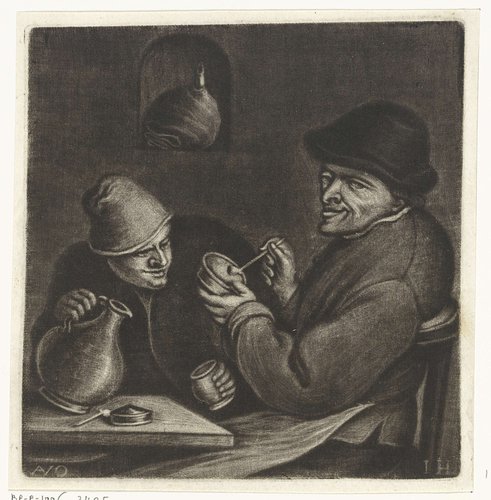
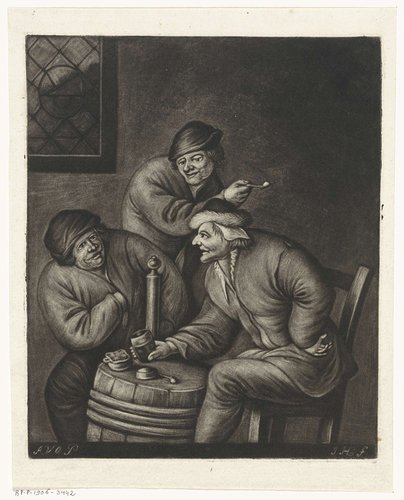
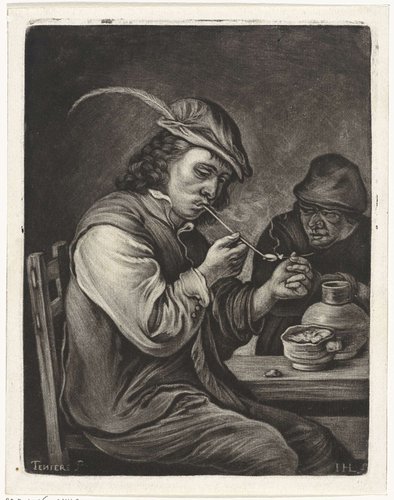
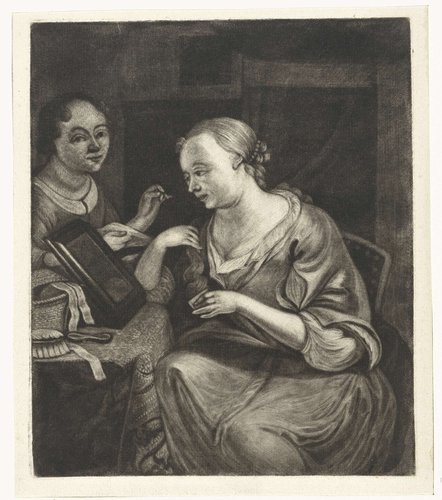
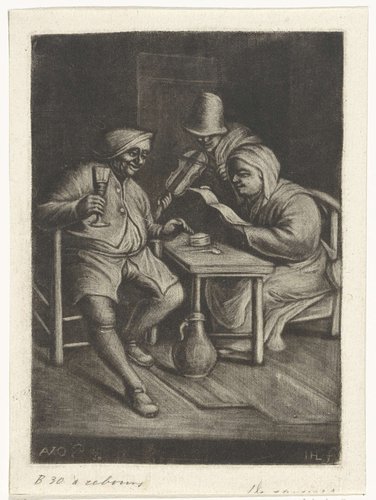
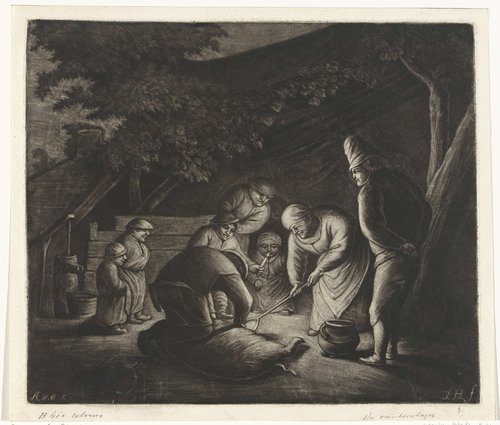
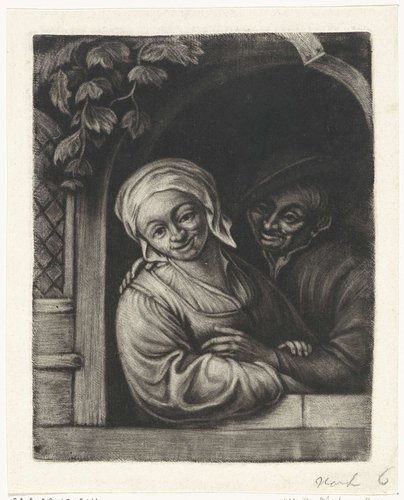
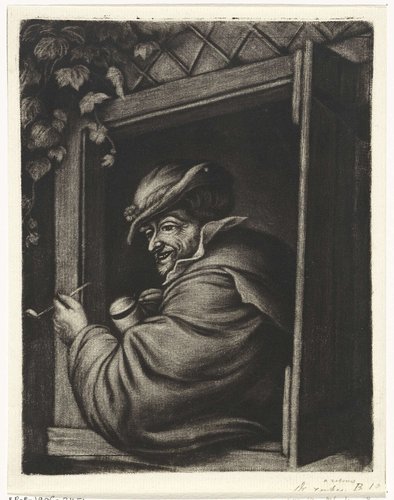
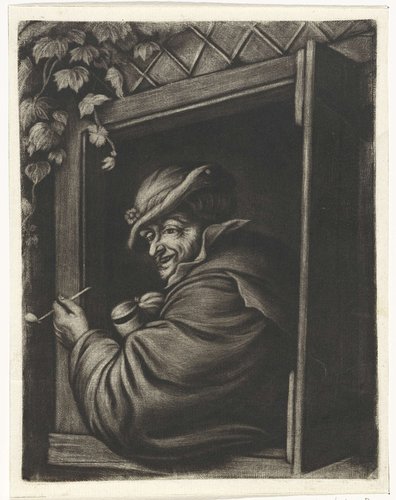
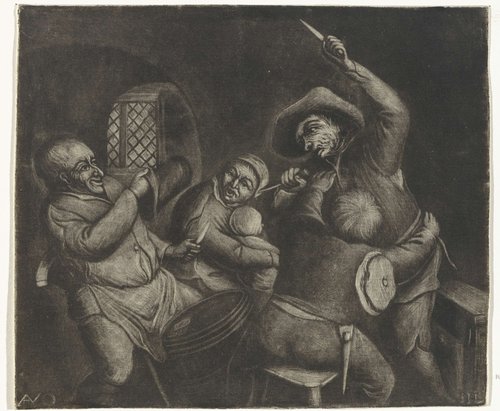
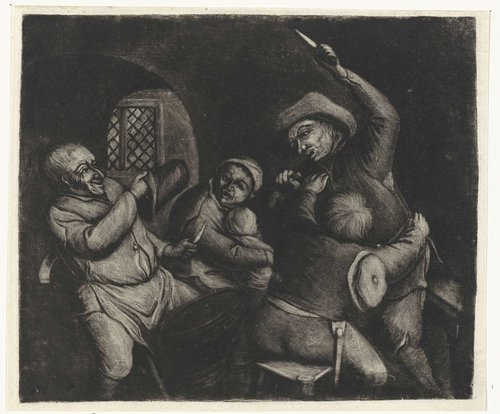
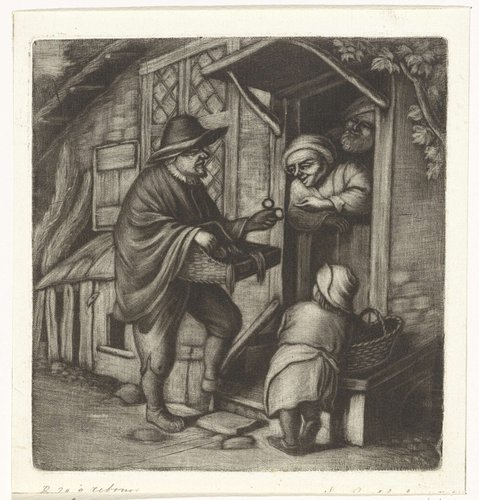
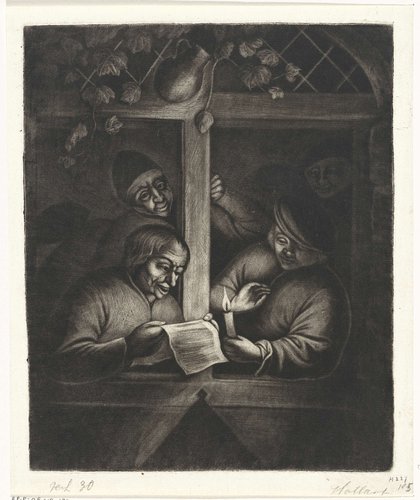
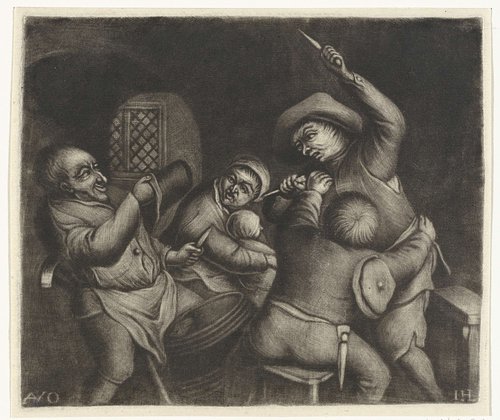
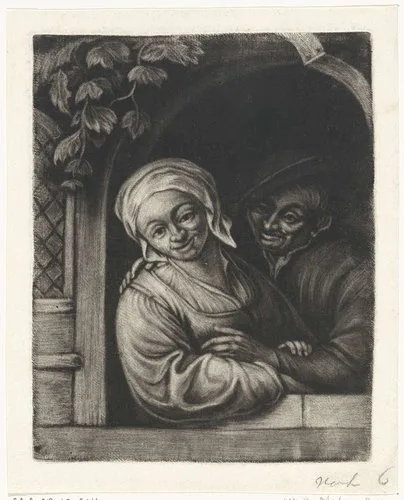
His oeuvre includes works after Adriaen van Ostade (1610–1685), the celebrated Dutch Golden Age genre painter known for peasant scenes and tavern interiors. Hoolaart's etching of a shoemaker after Van Ostade demonstrates his ability to capture the intimate, carefully observed character of Van Ostade's genre scenes. He also created etchings after Adriaen Brouwer (c. 1605–1638), the Flemish painter and important innovator in genre painting, whose depictions of peasant life combined keen observation with expressive brushwork.
Hoolaart's prints served multiple markets and purposes. Collectors assembled portfolios of prints representing the works of celebrated masters, using these affordable reproductions to study artistic techniques and build comprehensive visual libraries. Art students copied prints as part of their training, learning composition and technique from reproductions of masterworks. Publishers issued prints both as standalone images and as illustrations for books on art history and connoisseurship.
A catalog of Hoolaart's work exists: 'Jacob Hoolaart (1713-1789): oeuvre-catalogus' by P.J. Horsman, indicating that his production was substantial enough to warrant systematic documentation. Examples of his work are held in major collections including the Rijksmuseum in Amsterdam and appear on Google Arts & Culture, demonstrating the continuing recognition of his contribution to Dutch printmaking.
Jacob Hoolaart died in Dordrecht on either April 2 or April 8, 1789 (sources vary on the exact date), having maintained his engraving practice throughout a career spanning more than half a century. He died just as European art was on the cusp of dramatic transformations with the French Revolution and the Romantic movement, having worked his entire life in the service of preserving earlier artistic achievements.
Artheon Research Team
Last updated: 2025-11-09
Biography length: ~642 words
Wikidata (CC0)