Ctrl K
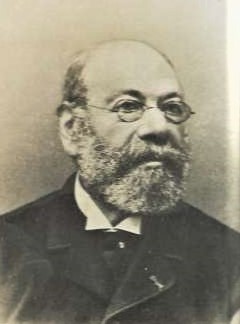
1815–1899
Occupations
Jacob Wiener (1815–1899), also known as Jacques Wiener, was a Belgian medallist and engraver of exceptional skill whose work left an indelible mark on 19th-century European numismatic art. Born on February 27, 1815, in Hoerstgen (in present-day Germany), Wiener would become one of Belgium's most distinguished engravers, contributing significantly to the young nation's cultural identity through his creation of Belgium's first postage stamps in 1849. His career spanned six decades of prolific artistic production before blindness forced his retirement, after which he devoted his final years to charitable work within Belgium's Jewish community until his death on November 3, 1899, in Brussels. Wiener's artistic journey began early when his family moved to Venlo in the Netherlands when he was just two years old. At thirteen, he was sent to Aachen to apprentice with his uncle, Loeb Baruch, who introduced him to the demanding arts of drawing and engraving. After completing his training in Paris—then the European capital of printmaking and engraving—Wiener settled in Brussels in 1839, where he became a naturalized Belgian citizen and established himself as one of the country's premier medallists and engravers. His reputation grew through his work on monuments and for various cathedrals throughout Europe, demonstrating his versatility across religious, commemorative, and governmental commissions. Wiener frequently collaborated with his brothers, Léopold and Charles, who were also accomplished engravers and medallists, making the Wiener family one of the most important artistic dynasties in Belgian art of the period. Tragically, his constant use of a magnifying glass for fine engraving work began affecting his eyesight around 1870, and by 1872 he had completely lost his vision. Despite this devastating professional loss, Wiener found purpose in his final twenty-five years through charitable and organizational work for Belgium's Jewish community, demonstrating the same dedication and meticulous attention that had characterized his artistic career.
Jacob Wiener was born on February 27, 1815, in Hoerstgen, a small town in what was then part of the German territories. His early childhood was marked by mobility; when he was only two years old, his family relocated to Venlo, a town in the southern Netherlands near the Belgian border.
Growing up in Venlo, a trading town with a rich artistic heritage, young Jacob would have been exposed to the commercial and artistic exchange that characterized the region. However, his formal artistic education began at age thirteen when he was sent to Aachen to study with his uncle, Loeb Baruch.
Loeb Baruch was himself an accomplished engraver and draughtsman, and he introduced his nephew to the demanding technical skills required for engraving and medallic art. This apprenticeship was crucial in developing Wiener's exceptional eye for detail and his steady hand—both essential qualities for the precision work of engraving.
Following his initial training in Aachen, Wiener traveled to Paris to complete his artistic education. Paris in the 1830s was the unquestioned center of European engraving, home to masters like Luigi Calamatta and numerous workshops producing everything from currency to fine art reproductions. This exposure to the highest levels of technical excellence and artistic ambition shaped Wiener's professional standards.
In 1839, at age twenty-four, Wiener settled in Brussels, the capital of the recently independent Kingdom of Belgium. Belgium had gained independence from the Netherlands in 1830, and the young nation was actively building its cultural institutions and national symbols.
Wiener's decision to settle in Brussels proved strategic. He became a naturalized Belgian citizen, fully integrating into his adopted country's artistic community. His timing was fortuitous—Belgium needed skilled artisans who could produce the symbols of statehood, from official seals to commemorative medals.
During this period, Wiener established his workshop and began building his reputation through various commissions. His work demonstrated exceptional technical skill in the minute details required for medallic art and engraving, quickly distinguishing him among Brussels' community of metalworkers and engravers.
Wiener also began his long collaboration with his brothers, Léopold and Charles, who had also become engravers and medallists. This family workshop allowed them to take on larger and more complex commissions, establishing the Wiener name as synonymous with quality in Belgian medallic art.
The year 1849 marked the pinnacle of Wiener's early career when he helped create the first Belgian postage stamps. This commission was of immense national significance, as postage stamps were still a relatively new invention (Britain's Penny Black had appeared only in 1840), and designing them for a young nation carried great symbolic weight.
Wiener's contribution to these first Belgian stamps demonstrated his ability to work at minute scale while maintaining clarity and artistic merit. The stamps featured a profile of King Leopold I and required exceptional engraving skill to produce the master dies from which printing plates would be made.
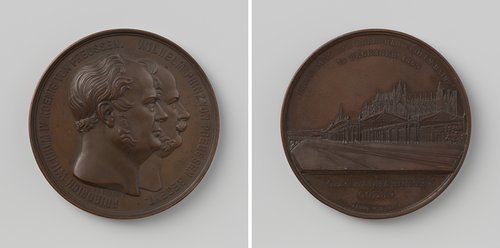
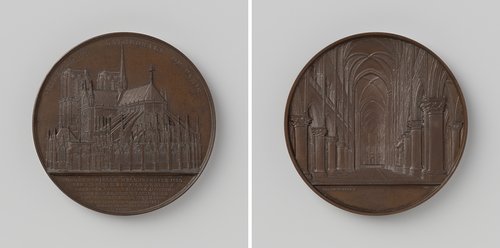
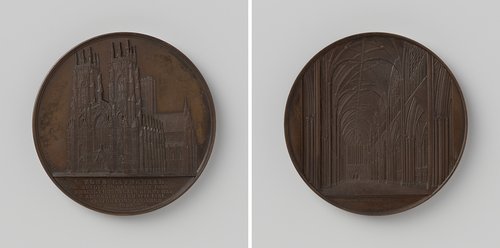
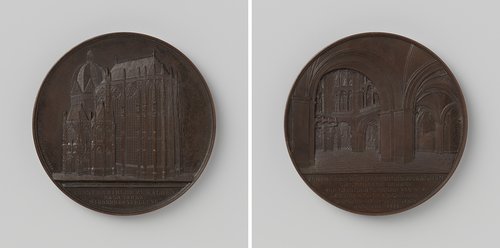
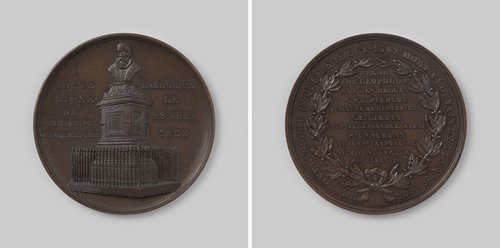
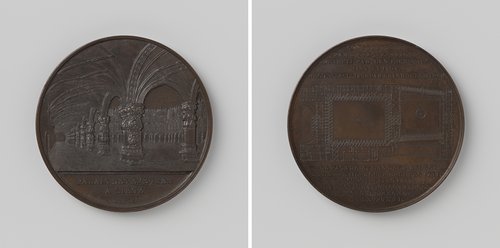
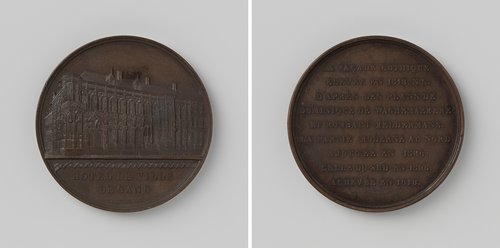
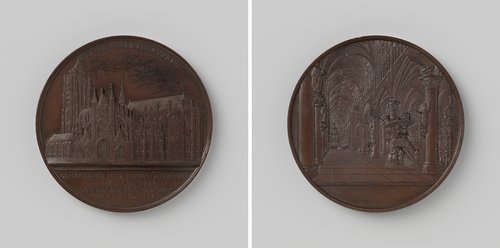
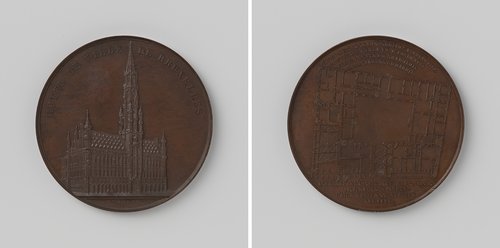
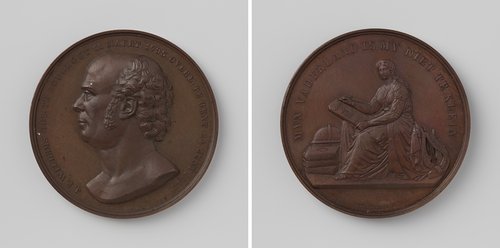
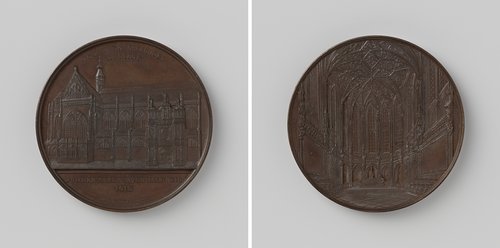
Following this success, Wiener's reputation expanded considerably. He received commissions for medals commemorating important events, portraits of notable figures, and work on monuments throughout Belgium and across Europe. His versatility was remarkable—he could work on everything from tiny medal portraits to larger architectural ornaments.
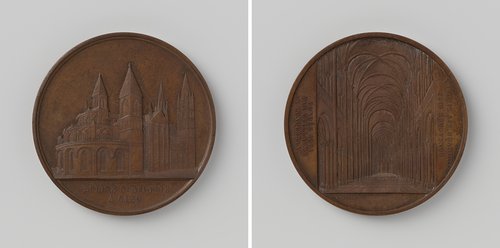
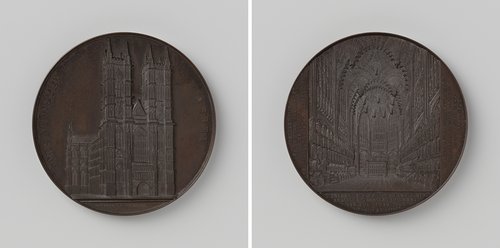
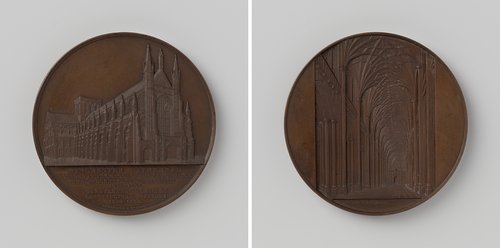
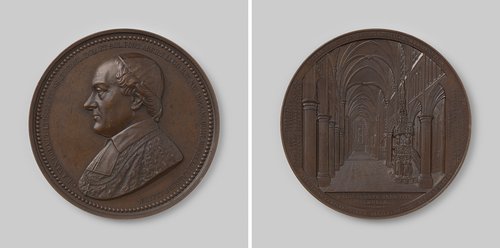
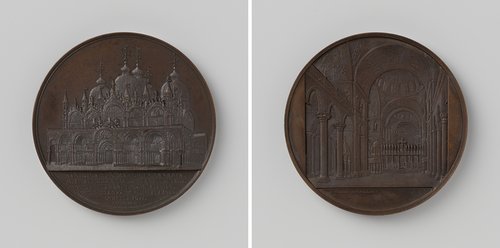
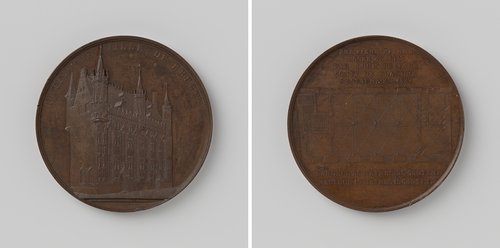
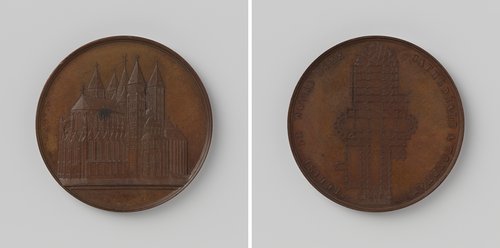
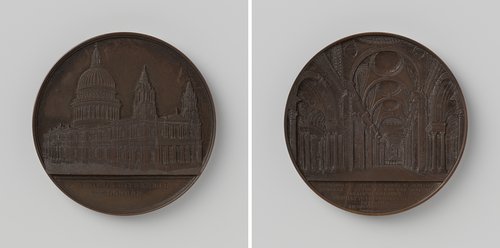
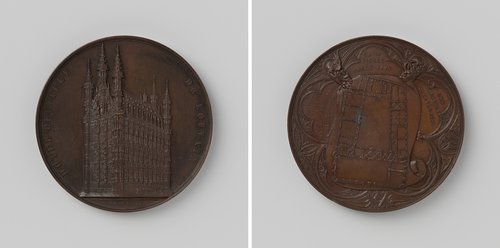
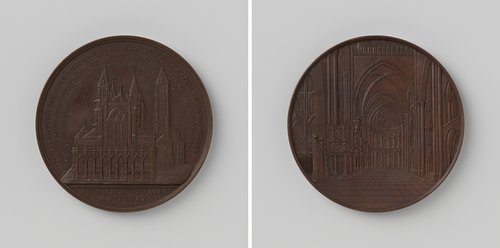
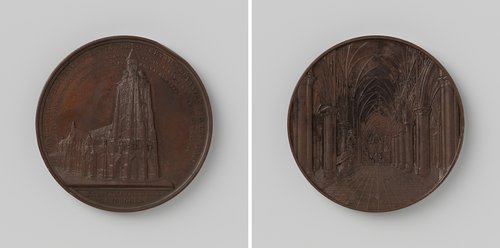
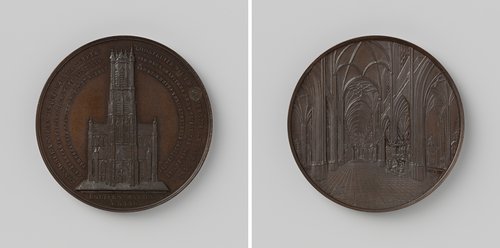
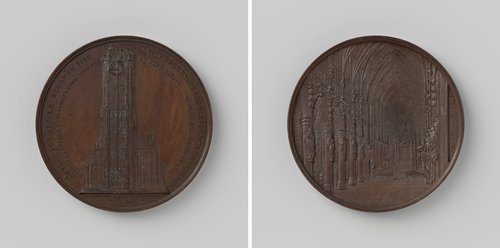
His work for various cathedrals throughout Europe during this period demonstrated his mastery of religious imagery and his ability to work within the demanding iconographic traditions of Christian art. These ecclesiastical commissions often involved creating medal-portraits of saints, bishops, or benefactors, as well as decorative elements for church interiors.
The collaboration with his brothers Léopold and Charles continued to flourish during these years. Together, they formed one of the most important artistic families in Belgium, their combined skills allowing them to dominate the field of medallic art and engraving in the country.
Around 1870, Wiener began experiencing the consequences of his demanding profession. The constant use of magnifying glasses and the intense focus required for fine engraving work began to deteriorate his eyesight. For an engraver, whose livelihood depended entirely on acute vision and the ability to work at minute scale, this must have been devastating.
Despite the warning signs, Wiener continued to work, perhaps hoping the damage could be arrested or reversed. However, the deterioration accelerated. The tools of his trade—the magnifying glasses that allowed him to see the tiny details of his engravings—had become instruments of his professional demise.
By 1872, at the age of fifty-seven, Wiener had completely lost his sight. For an artist whose entire career had been built on the most demanding visual precision, blindness meant the abrupt end of his life's work. He could no longer practice the art that had defined his adult life and brought him recognition across Europe.
Rather than retreating into despair after losing his sight, Wiener redirected his energies toward charitable and organizational work within the Jewish community of Belgium. This period of his life, lasting twenty-five years, demonstrated remarkable resilience and a continued commitment to serving others.
His work for the Jewish community likely drew on the organizational skills, attention to detail, and dedication that had characterized his artistic career. Though the specific nature of his charitable activities is not extensively documented, such work typically involved organizing community support, religious education, and assistance to those in need.
Wiener's transition from celebrated artist to community servant exemplifies a kind of grace rarely documented in art historical accounts, which typically focus exclusively on periods of artistic production. His final decades remind us that artistic identity is often just one aspect of a fuller human life.
Jacob Wiener died on November 3, 1899, in Brussels, at the age of eighty-four. He had lived nearly three decades in blindness, yet found meaning and purpose beyond his artistic achievements. He was survived by his work—the stamps, medals, and engravings that continued to circulate throughout Belgium and Europe, silent testimonies to his exceptional skill.
Artheon Research Team
Last updated: 2025-11-09
Biography length: ~1,520 words
Wikidata/Wikimedia Commons