Ctrl K
1544–1640
Occupations
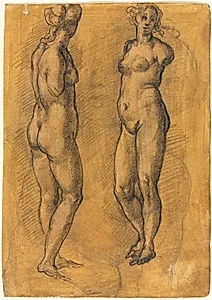
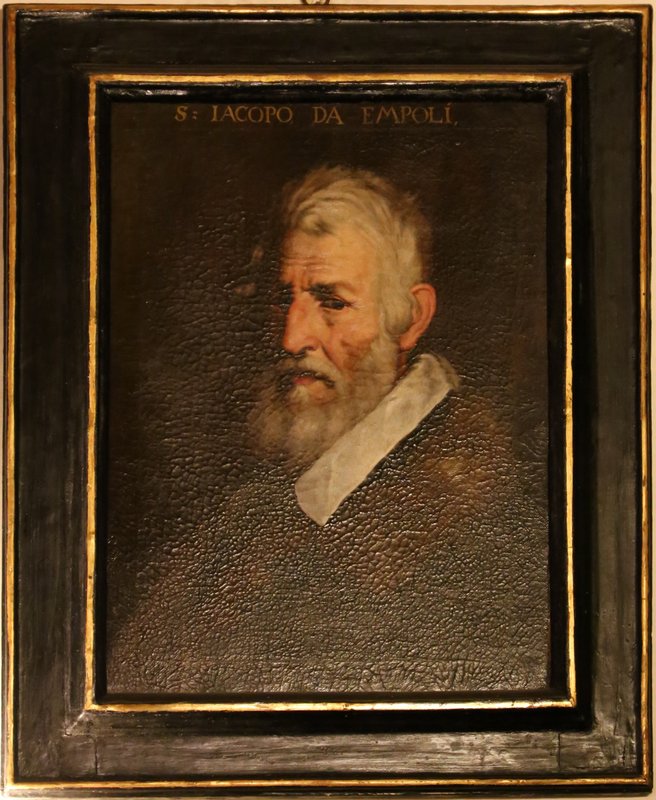
Jacopo Chimenti, known as Jacopo da Empoli (1551-1640), was an Italian Florentine painter whose long career spanned the transition from late Mannerism to early Baroque. Born in Florence on April 30, 1551 (Empoli being his father's birthplace, from which Jacopo derived his artistic name), he became an important figure in the Counter-Maniera or Counter-Mannerist movement that reacted against the complexity and artificiality of high Mannerism. Trained under Maso da San Friano, Jacopo da Empoli developed a style characterized by greater clarity, more natural poses, and less crowded compositions than his Mannerist predecessors like Vasari. Working primarily in Florence, he painted religious subjects for churches and private patrons, collaborating occasionally with Alessandro Tiarini. After the 1620s, he completed an exceptional series of still-life paintings, working in a genre typically avoided by Florentine painters and demonstrating his versatility and willingness to explore new subjects. His teaching activities proved influential, with notable pupils including Felice Ficherelli, Giovanni Battista Brazzè, Giovanni Battista Vanni, and Virgilio Zaballi. He died in Florence on September 30, 1640, at age eighty-nine, having witnessed nearly a century of artistic transformation.
Jacopo Chimenti was born in Florence on April 30, 1551. His father came from Empoli, and Jacopo adopted "da Empoli" as his artistic surname following common Renaissance practice. He apprenticed under Maso da San Friano, learning the techniques of Florentine painting while developing his distinctive approach. His younger brother, Domenico Chimenti, also born in Empoli, became a painter as well, suggesting an artistically supportive family environment.
Jacopo da Empoli established himself as a significant figure in the Counter-Maniera movement, which sought to reform the excesses of late Mannerism. Like his contemporary Santi di Tito, he moved toward a style that was crisper, less contorted, and less crowded than Mannerist predecessors such as Vasari. Working primarily in Florence, he received commissions for religious paintings from churches and private patrons. His compositions demonstrate greater clarity and naturalism while maintaining sophisticated technical skill. He occasionally collaborated with Alessandro Tiarini on projects, participating in Florence's active artistic community.
After the 1620s, Jacopo da Empoli undertook an exceptional series of still-life paintings, a genre that Florentine painters typically avoided. These works demonstrate his versatility and willingness to explore new artistic territory even in his later years. During this period, he also trained important pupils including Felice Ficherelli, Giovanni Battista Brazzè (Il Bigio), Giovanni Battista Vanni, and Virgilio Zaballi, ensuring the transmission of his artistic principles to the next generation. He died in Florence on September 30, 1640, at the remarkable age of eighty-nine, having maintained an active artistic career for over six decades.
Artheon Research Team
Last updated: 2025-11-09
Biography length: ~468 words
Wikidata/Wikimedia Commons
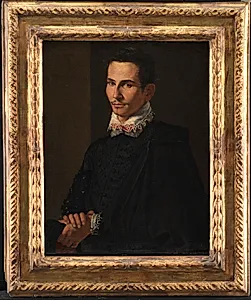
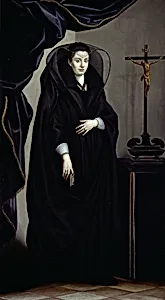
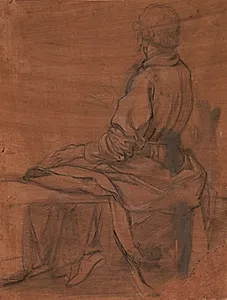
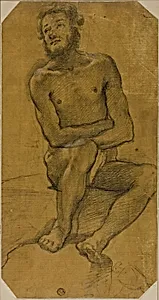
![Seated Draped Man [verso]](https://images.artheonmuseum.org/nga/thumb/seated-draped-man-verso-nga-63268.webp)
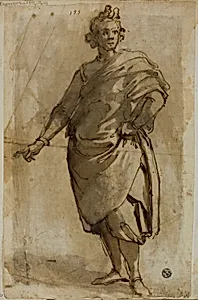
![Standing Draped Man [recto]](https://images.artheonmuseum.org/nga/thumb/standing-draped-man-recto-nga-63267.webp)