Ctrl K
1630–1700
Occupations
Jean Frosne (circa 1614–after 1682) was a French engraver whose career spanned much of the 17th century, producing portraits, landscapes, and ornamental prints during the reigns of Louis XIII and Louis XIV. Born around 1614 (originally named Jean Froonens, son of a Flemish tapestry maker from the Gobelins), Frosne emerged from humble origins to become an accomplished engraver whose works documented French cultural and military life during the Grand Siècle. His professional activity, documented from the 1620s through 1682, encompassed collaborations with the publisher Balthazar Moncornet, the engraver Nicolas Cochin, and the military engineer Pontaut de Beaulieu. Frosne became particularly known for his numerous portraits and for the sumptuous settings of the 'Grand Beaulieu'—engravings celebrating Louis XIV's military victories. His works provide valuable visual records of 17th-century French nobility, cultural figures, and military achievements during France's rise to European dominance.
Jean Frosne was born around 1614, originally named Jean Froonens. Recent archival research has revealed details of his origins: he was the son of a Flemish tapestry maker from the Gobelins, the famous Parisian manufactory.
An apprenticeship contract from November 1625 shows Jean at eleven and a half years of age, indicating his birth around 1614 rather than the previously assumed 1623. This contract placed him with Michel Van Lochom, an engraver whose workshop provided both training and access to publication opportunities.
In Van Lochom's workshop, young Jean found models for his artistic development and began publishing his first signed prints. During this period, he gradually adopted a more French-sounding name, transforming "Froonens" into "Frosne"—a common practice for immigrants' children integrating into French society.
Three key encounters marked Frosne's professional development and defined his career trajectory. First, he connected with the publisher Balthazar Moncornet, an innovator in widely circulated engraved portraits. This collaboration provided crucial access to distribution networks and steady commissions for portrait work.
Second, Frosne developed a long-lasting friendship and collaboration with Nicolas Cochin, a fellow engraver. This professional partnership allowed them to share techniques, collaborate on larger projects, and support each other's careers through the competitive Parisian print market.
Third, and perhaps most significantly for Frosne's later reputation, he began working with the military engineer Pontaut de Beaulieu, who was determined to celebrate Louis XIV's victories through prints. This collaboration resulted in the sumptuous settings of the 'Grand Beaulieu'—elaborate engravings documenting French military triumphs.
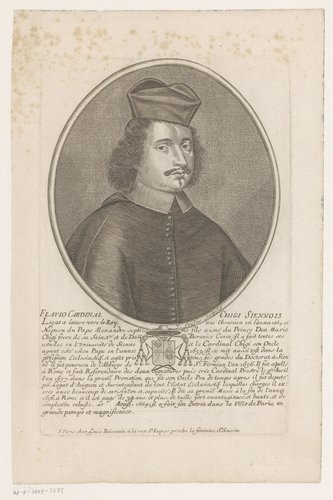
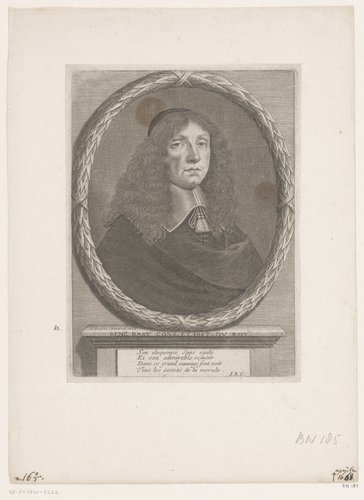
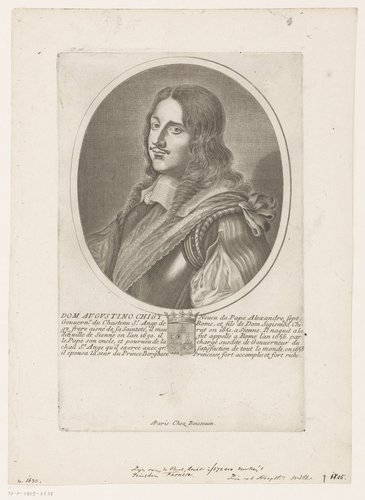
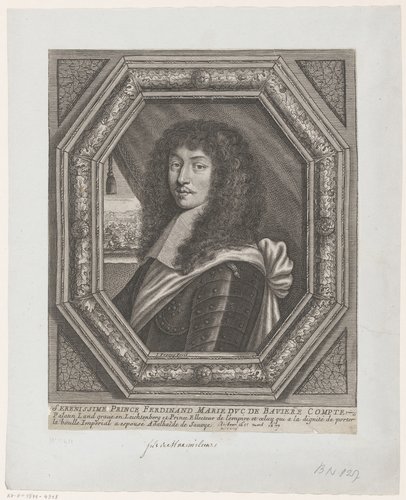
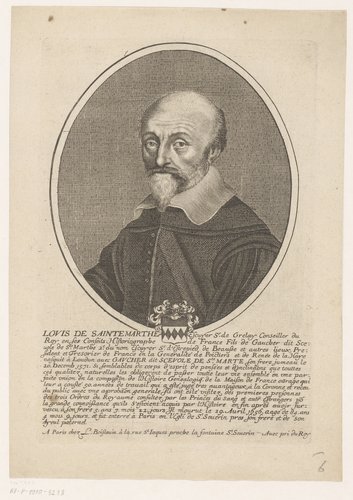
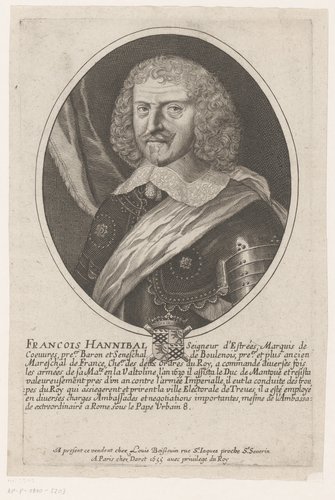
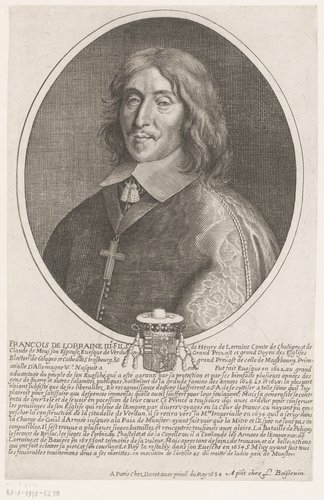
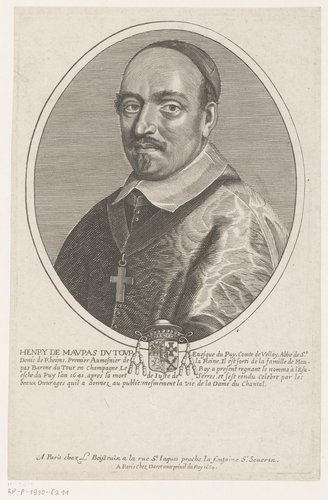
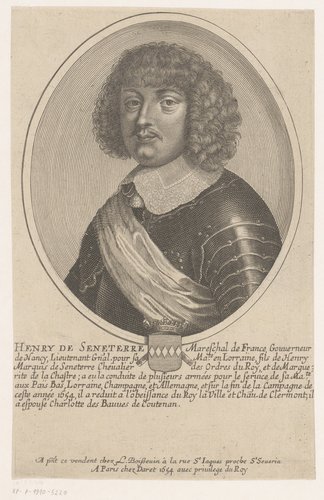
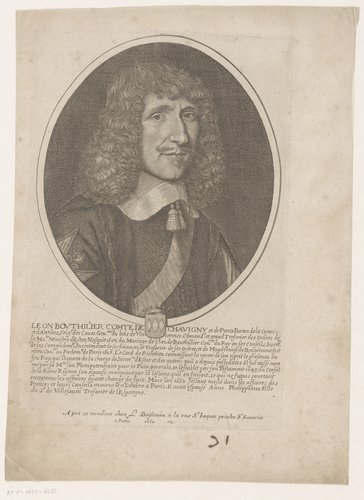
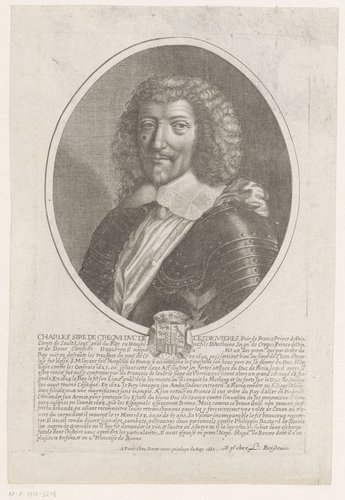
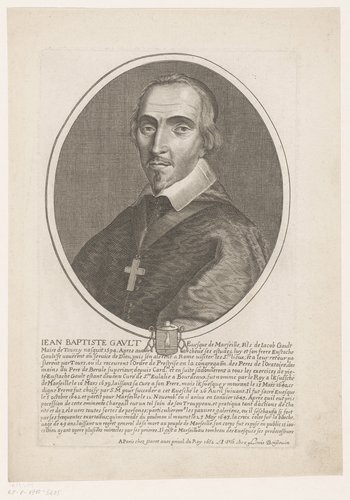
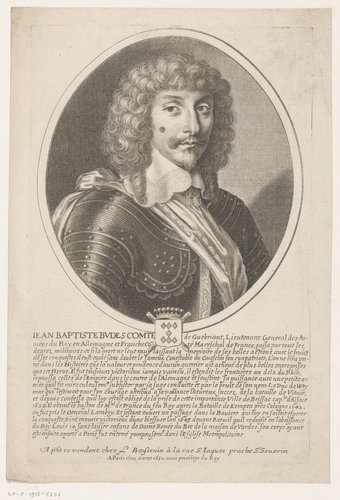
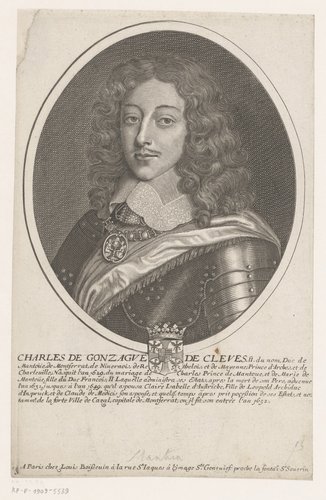
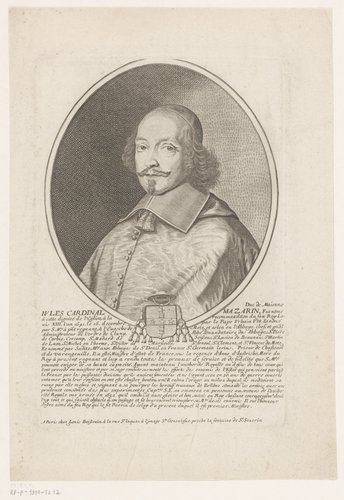
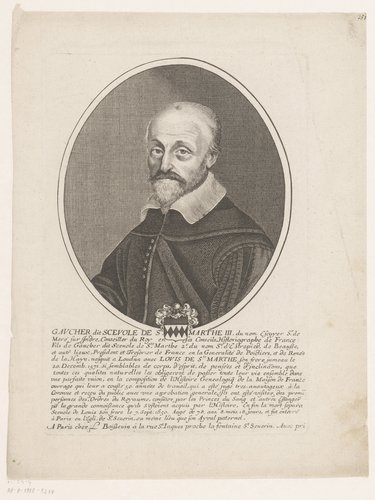
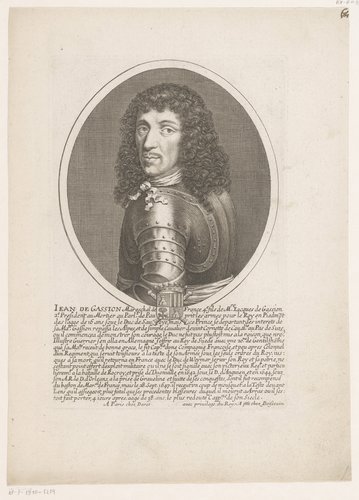
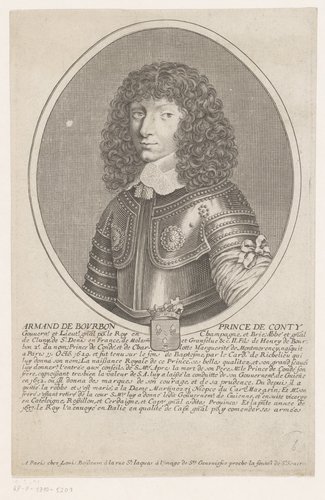
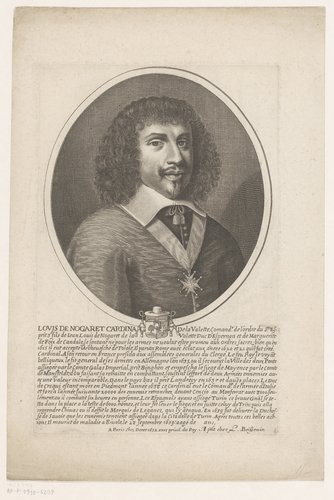
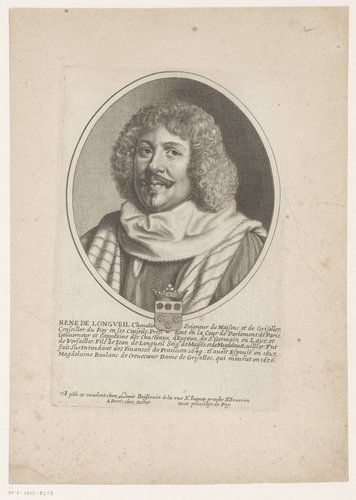
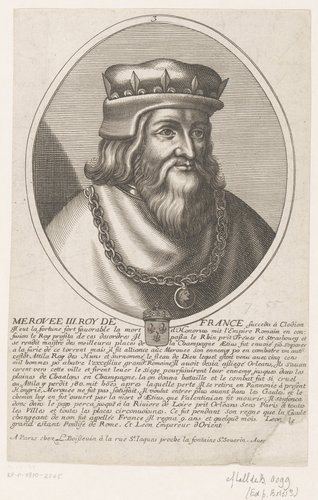
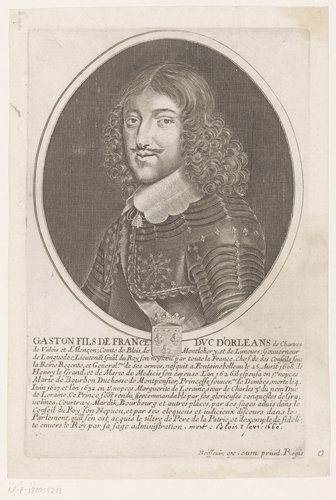
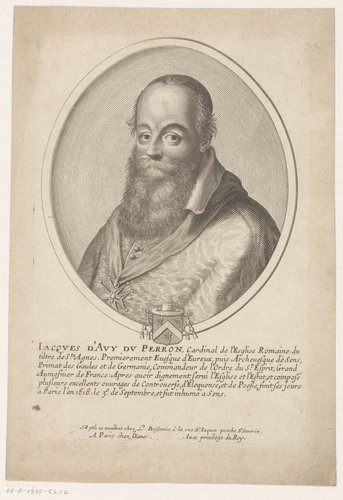
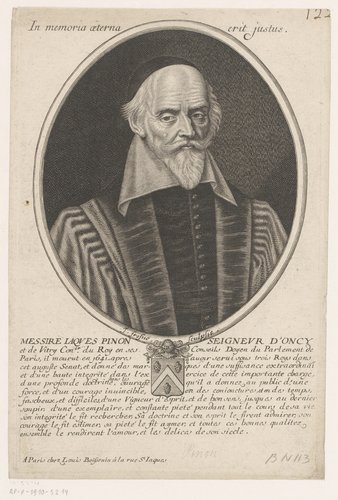
Frosne's practice encompassed portraits, landscapes, and ornamental engravings. His portraits documented French cultural figures, nobility, and notable personalities, contributing to the 17th-century project of celebrating achievement through widely circulated prints.
Among his documented works are portraits including Marguerite Yolande of Savoy (circa 1650) and Antoine Dreux d'Aubray (circa 1650), the latter connected to a famous murder and poisoning case that scandalized French society. These portraits demonstrate Frosne's engagement with contemporary events and figures.
His landscape and ornamental engravings showcased versatility beyond portraiture, demonstrating command of different subjects and formats required for commercial success in the competitive Parisian print market.
Frosne's last known works date to 1682, when he would have been approximately sixty-eight years old if the circa 1614 birth date is correct. His long career spanning over five decades had witnessed France's transformation under Cardinals Richelieu and Mazarin and the early reign of Louis XIV.
The specific circumstances of Frosne's final years and death remain undocumented. The designation "after 1682" indicates that while his last known dated works appeared in that year, the actual end of his career or life is not precisely recorded.
Frosne's legacy rests in his extensive print production documenting 17th-century French cultural and military life. His portraits provide visual records of figures who shaped French history, while his collaboration on the Grand Beaulieu engravings contributed to Louis XIV's carefully constructed image as a victorious monarch.
Artheon Research Team
Last updated: 2025-11-09
Biography length: ~950 words
Wikidata (CC0)