Ctrl K
1770–1836
Occupations
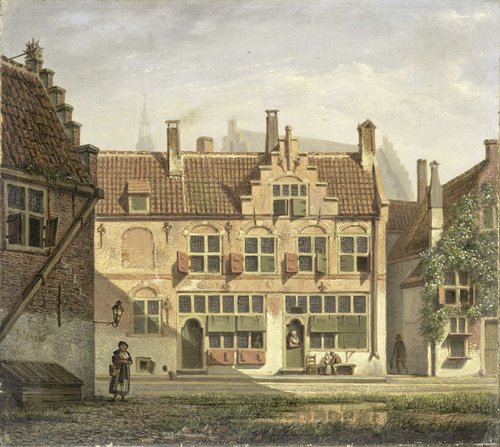
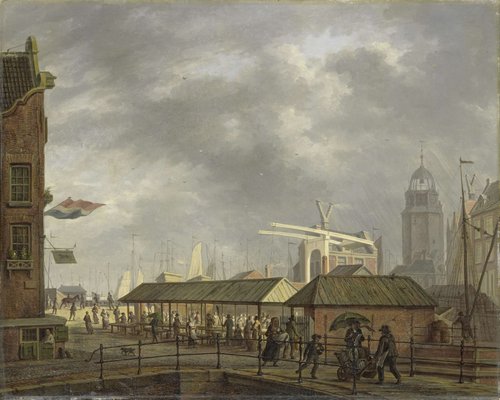
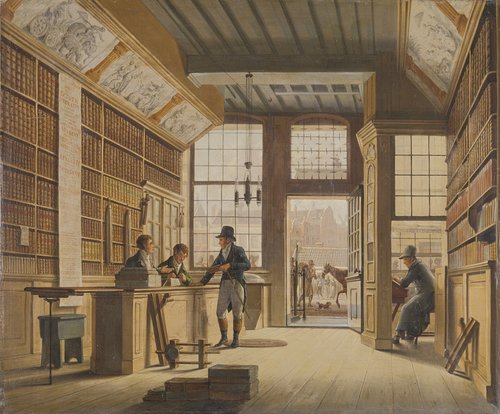
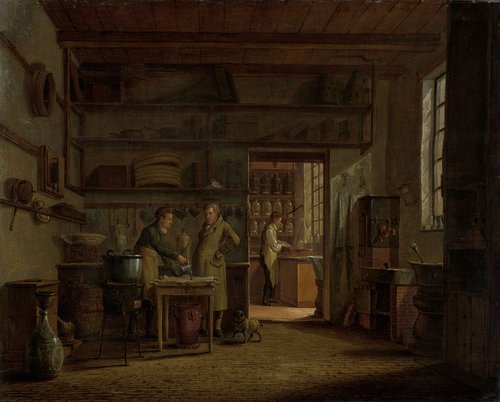
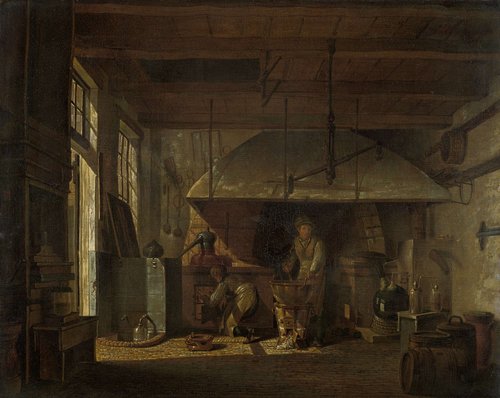
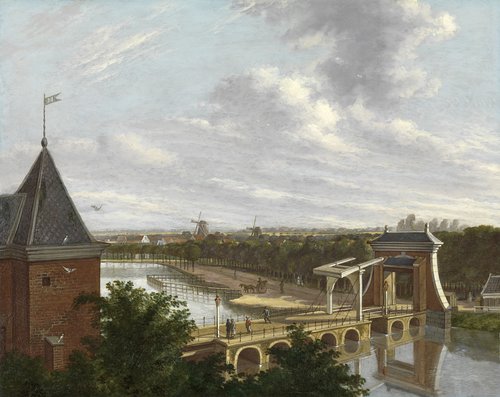
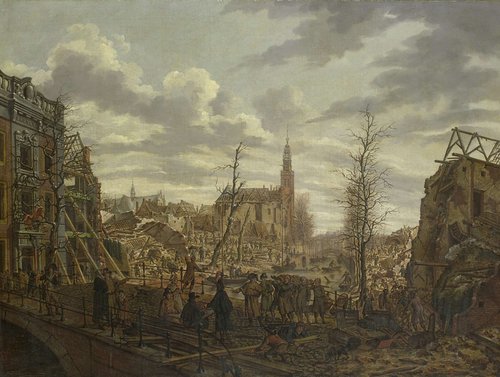
Johannes Jelgerhuis (1770-1836) was a multifaceted Dutch artist who achieved distinction both as a painter and as an actor, representing the interconnection between visual and performing arts in early nineteenth-century Netherlands. Born in Leeuwarden in 1770 and dying in Amsterdam on October 6, 1836, Jelgerhuis pursued parallel careers that enriched each other, bringing a theatrical understanding to his paintings and a visual sensibility to his performances. As a painter, Jelgerhuis specialized in architectural interiors and topographical views, demonstrating exceptional skill in perspective and spatial rendering. His painting of the interior of his publisher's bookshop, now in the Rijksmuseum collection, exemplifies his ability to capture architectural space with precision and atmospheric quality. He created topographical works in Delft, Rotterdam, Ghent, and Amsterdam, documenting urban environments during a period of significant change. In 1808, he joined the Stadsschouwburg (City Theater) in Amsterdam as an actor, and subsequently wrote an illustrated instruction booklet for actors that became an important teaching resource. From 1820, he taught acting lessons in Amsterdam, inviting his former colleague Johanna Wattier to assist. His work is preserved in major Dutch collections including the Rijksmuseum, Museum Boijmans Van Beuningen, and the Theatre Collection of the Allard Pierson.
Johannes Jelgerhuis was born in 1770 in Leeuwarden in the northern Netherlands. He received artistic training from two masters: his father Rienk Jelgerhuis and Pieter Pietersz Barbiers, according to the RKD (Netherlands Institute for Art History). This dual instruction provided him with solid technical foundations. During this period, he developed his distinctive focus on architectural interiors and topographical subjects, painting with particular attention to perspective and spatial relationships. His work demonstrated the influence of Dutch Golden Age traditions of architectural painting while adapting those traditions to contemporary subjects and sensibilities.
In 1808, Jelgerhuis expanded his artistic activities by becoming an actor at the Stadsschouwburg (City Theater) in Amsterdam, one of the leading theatrical venues in the Netherlands. This engagement with theater influenced his artistic practice, bringing heightened attention to dramatic composition and spatial staging in his paintings. He wrote an illustrated instruction booklet for actors, combining his visual and performing arts expertise in a pedagogical work. From 1820, he began teaching acting lessons in Amsterdam, inviting his former colleague Johanna Wattier to assist him, establishing a school that trained the next generation of Dutch actors. Throughout this period, he continued painting, creating topographical views of Delft, Rotterdam, Ghent, and Amsterdam that document Dutch and Flemish urban environments. His interior paintings, particularly his view of his publisher's bookshop (now in the Rijksmuseum), demonstrate his mastery of perspective and architectural space. He died in Amsterdam on October 6, 1836, having successfully pursued dual careers in visual and performing arts.
Artheon Research Team
Last updated: 2025-11-09
Biography length: ~476 words
Wikidata (CC0); Getty ULAN (ODC-By)