Ctrl K
1765–1833
Occupations
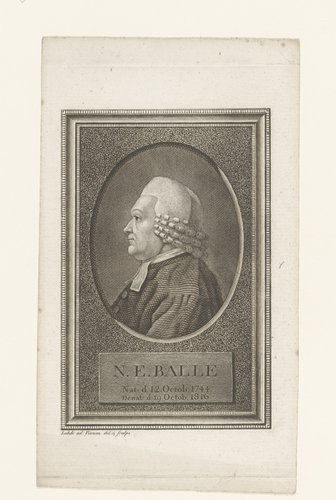
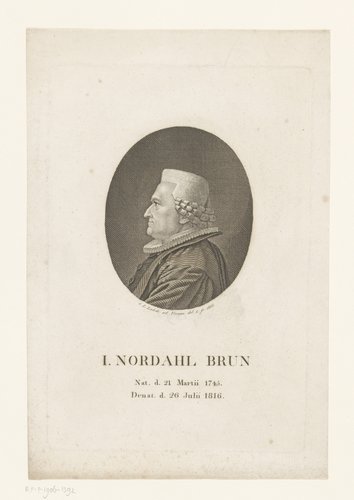
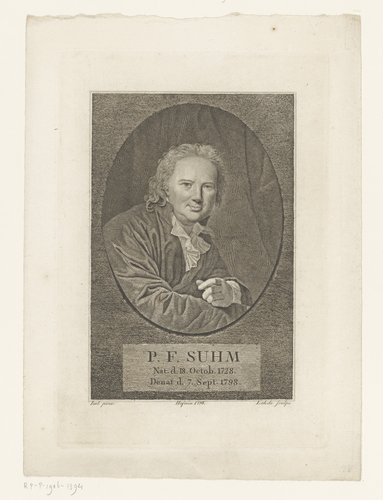
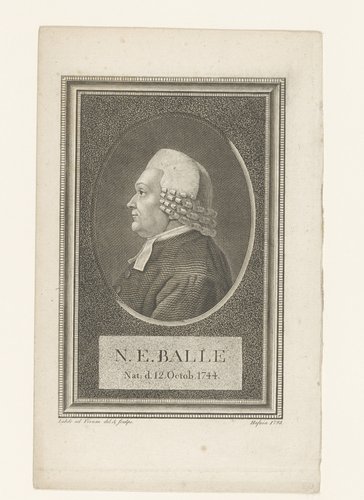
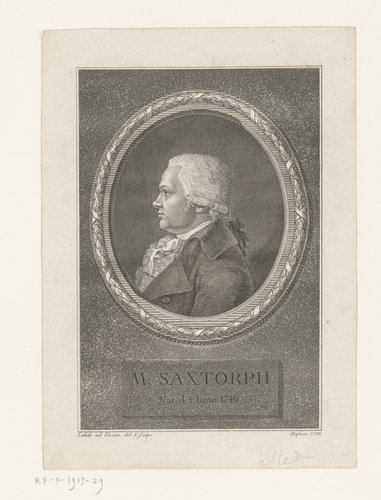
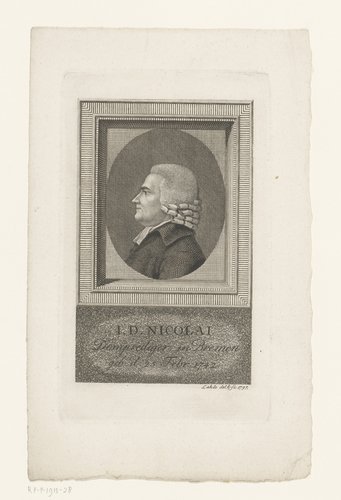
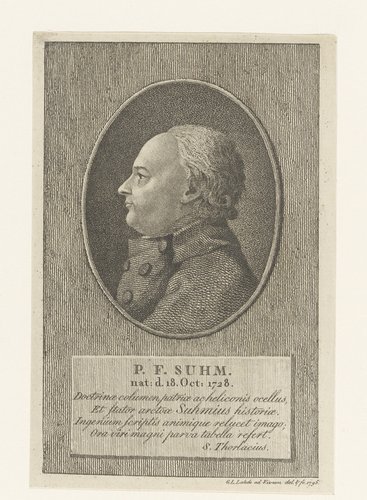
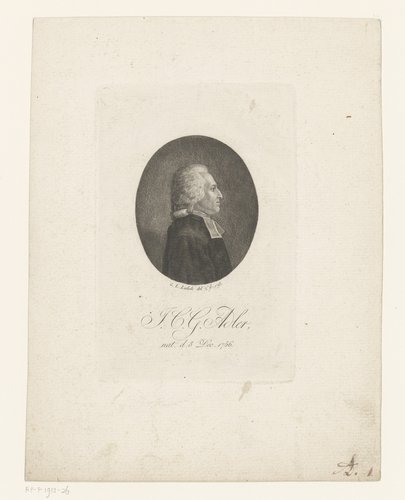
Gerhard Ludvig Lahde (1765-1833), usually referred to as G. L. Lahde, was a Danish printmaker and publisher who documented major historical events and Danish costumes through hand-colored prints. Born on October 19, 1765, in Bremen and dying on November 30, 1833, in Copenhagen, Lahde's career spanned the tumultuous period of the Napoleonic Wars and their aftermath, during which he created important visual records of contemporary events including the catastrophic Copenhagen fires and British bombardments. Lahde's path to artistic success was unconventional. Born as the son of a tailor in Bremen, he studied seven years in the local Latin school before completing an apprenticeship as a goldsmith in Kiel. With ambitions to become an artist, he traveled to Copenhagen with Cladius Detlev Fritzsch, where he was admitted to the Royal Danish Academy of Fine Arts in 1787. Though he had more commercial success as a portrait painter than as a fine artist, his appointment as Engraver to the Danish Court in 1799 marked official recognition of his skills. His most celebrated works include hand-colored, slightly caricatured prints of traditional costumes created in collaboration with Johannes Senn, as well as dramatic depictions of historic events such as the Copenhagen Fire of 1795 and the British bombardments of Copenhagen in 1801 and 1807. In 1805, he purchased property on Gothersgade from which he ran a successful business, employing young artists including the future master Christoffer Wilhelm Eckersberg.
Gerhard Ludvig Lahde was born on October 19, 1765, in Bremen, the son of a tailor. After seven years of Latin school education, he completed an apprenticeship as a goldsmith in Kiel, gaining skills in fine metalwork and engraving. Aspiring to become an artist rather than a craftsman, he traveled to Copenhagen together with Cladius Detlev Fritzsch and gained admission to the Royal Danish Academy of Fine Arts in 1787. His training at the Academy provided formal artistic education, though he would find his greatest success in commercial printmaking rather than fine art painting.
In 1799, Lahde received appointment as Engraver to the Danish Court, providing official recognition and steady income. In 1805, he purchased property on Gothersgade in Copenhagen, from which he operated a successful printmaking and publishing business. Notably, young artists including Christoffer Wilhelm Eckersberg and Johannes Senn lived in the building and worked for him, providing Lahde with skilled assistants while giving these future masters practical experience. His most celebrated projects included hand-colored prints of traditional Danish costumes created in collaboration with Johannes Senn, which documented regional dress with ethnographic precision and slight caricature. He also created dramatic prints depicting major historical events including the devastating Copenhagen Fire of 1795 and the British naval bombardments of Copenhagen in 1801 and 1807, providing important visual records of these traumatic episodes in Danish history. Lahde suffered a stroke in 1832 and died on November 29, 1833. He is buried at Assistens Cemetery in Copenhagen.
Artheon Research Team
Last updated: 2025-11-09
Biography length: ~480 words
Wikidata (CC0); Getty ULAN (ODC-By)