Ctrl K
1744–1820
Occupations
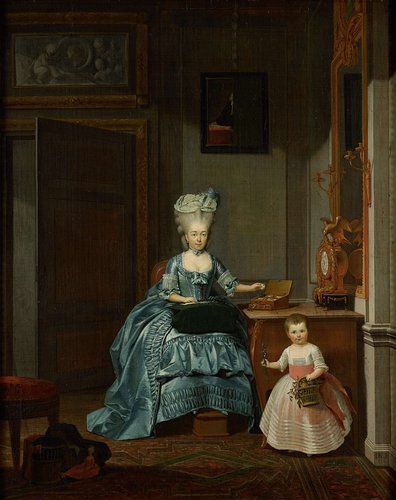
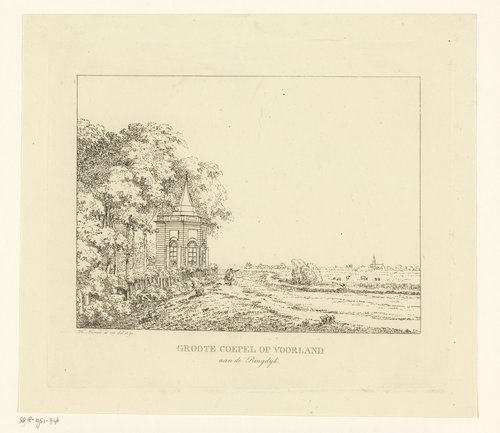
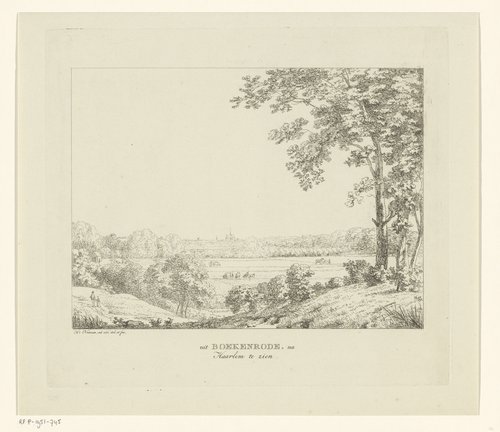
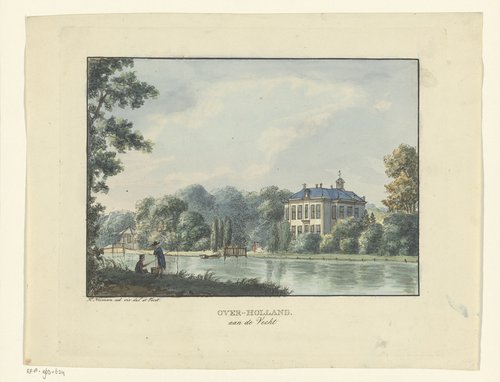
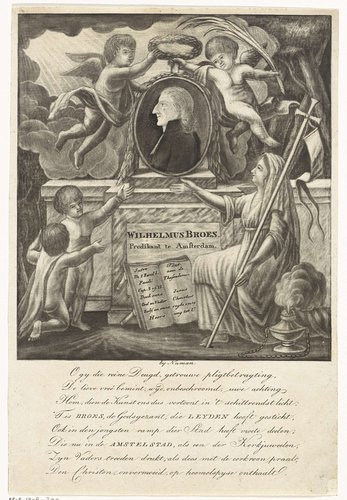
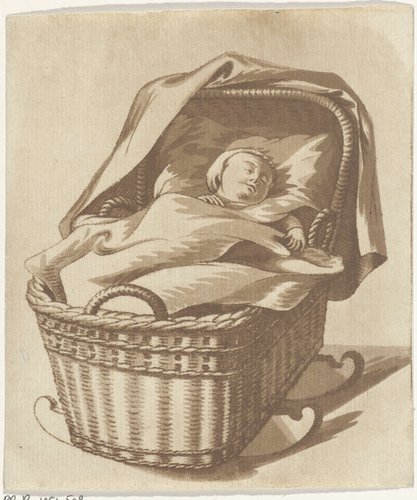
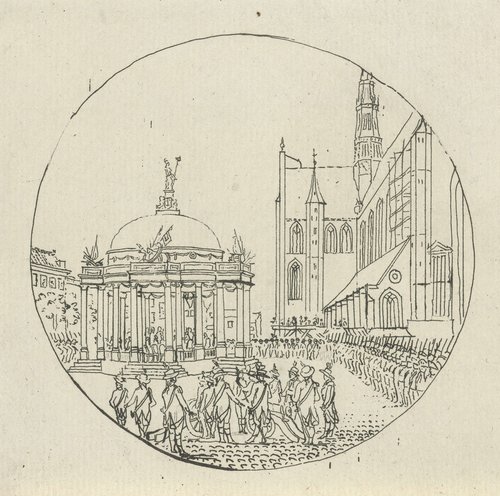
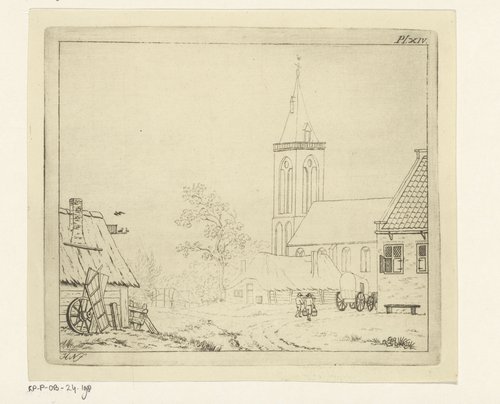
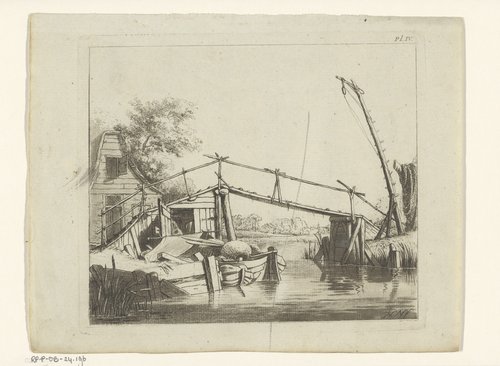
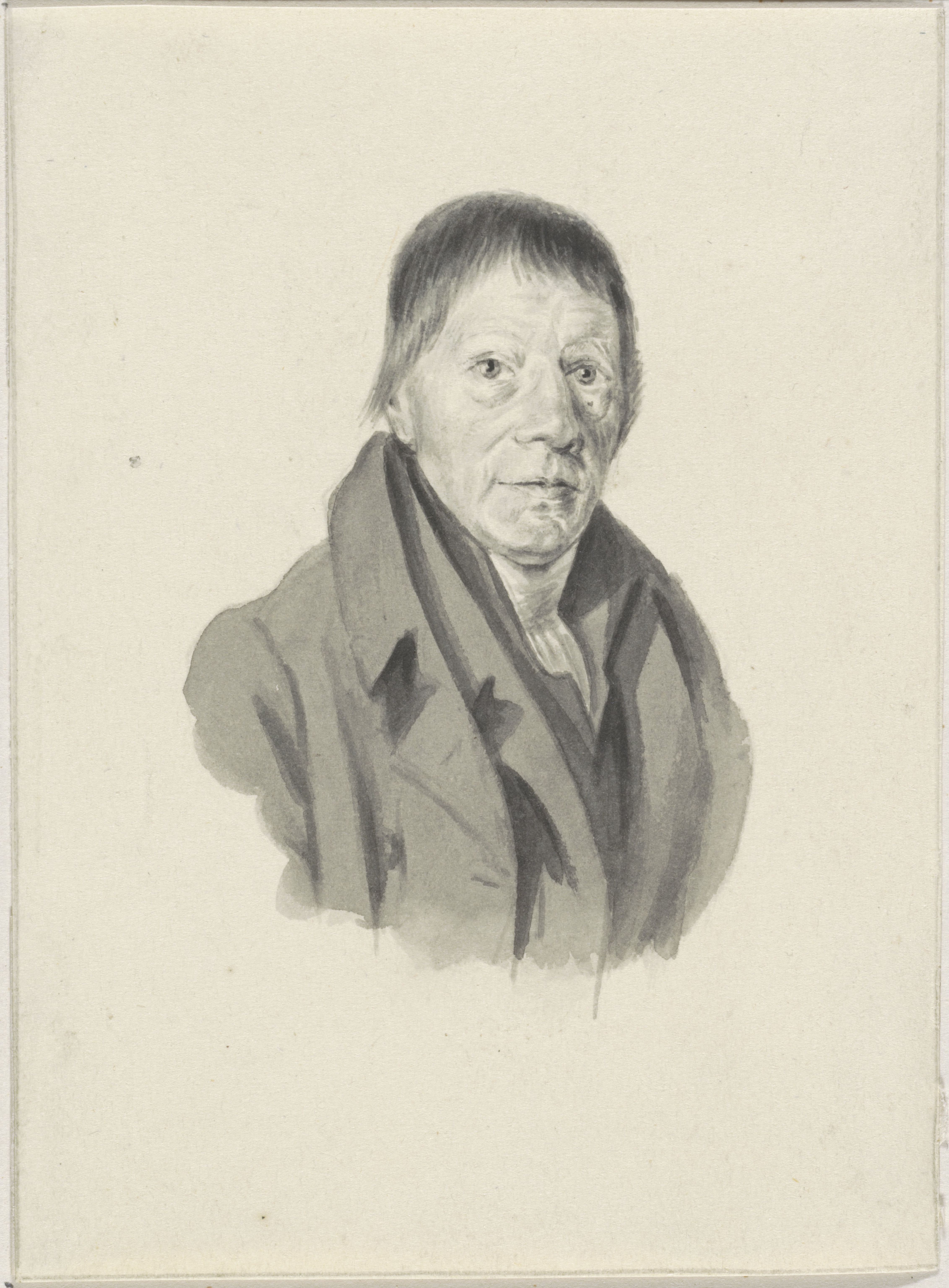
Hermanus Numan (1744-1820) was one of the leading Dutch watercolourists of the eighteenth century and a versatile artist who worked across multiple media including painting, printmaking, and theater design. Born in Ezinge and trained in decorative arts before pursuing fine art, Numan developed into a specialist in landscape watercolors, particularly views of country estates and parks that he made his specialty in the 1780s. Numan's career demonstrates the varied opportunities available to talented artists in the Dutch Republic and early Kingdom of the Netherlands. After early work in his father's lacquerware factory and apprenticeship in decorative wallpaper production, he studied engraving in Paris and painting in Amsterdam, eventually settling in the capital city where he worked for the remainder of his life. His artistic range encompassed landscapes, genre scenes, and portraits rendered in various media. In 1808, he received recognition as a fourth-class member of the Royal Institute of the Netherlands. His watercolor landscapes of Dutch estates and parks represent his most significant contribution, capturing the ordered beauty of eighteenth-century Dutch landscape design with technical mastery and atmospheric sensitivity.
Hermanus Numan was born in 1744 in Ezinge, in the municipality of Winsum in the northern Netherlands. Between 1759 and 1762, he worked with his father in a lacquerware factory in Groningen, learning decorative techniques that would inform his later artistic work. From 1762 to 1766, he apprenticed with Jan Augustini in Haarlem, working alongside Egbert van Drielst producing decorative wallpaper. This training in applied arts provided practical skills in composition, color, and decorative design. In 1768, Numan traveled to Paris to study engraving, expanding his technical repertoire and exposing himself to French artistic developments.
After his Paris sojourn, Numan moved to Amsterdam, where he would live and work for the rest of his life. In 1771, he studied under Jurriaan Andriessen at the Stadstekenacademie (City Drawing School), receiving formal training in fine art. He worked initially as a portraitist following his return to Groningen, but eventually specialized in landscapes, genre art, and architectural views. In the 1780s, Numan made country estates and parks his particular specialty, becoming renowned for his watercolor depictions of these ordered landscapes. His work as a watercolourist achieved recognition as among the finest in the Netherlands. He also worked as a set painter and decorator for theatrical productions, and pursued interests in art theory and publishing. In 1808, he became a fourth-class member of the Royal Institute of the Netherlands, official recognition of his artistic achievements. Numan died on March 9, 1820, in Amsterdam, leaving a substantial body of work that documented the Dutch landscape and architectural heritage of his era.
Artheon Research Team
Last updated: 2025-11-09
Biography length: ~442 words
Wikidata/Wikimedia Commons