Ctrl K
1530–1615
Occupations
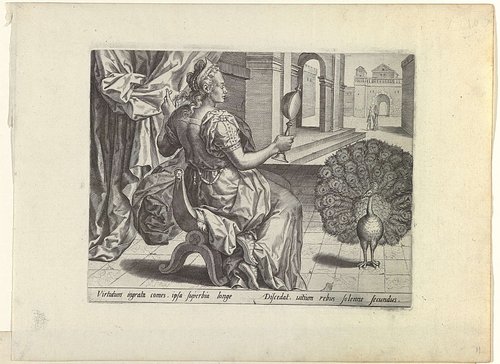
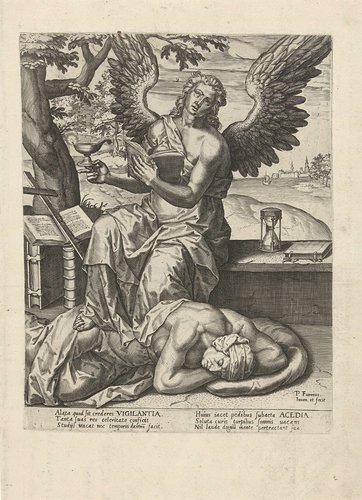
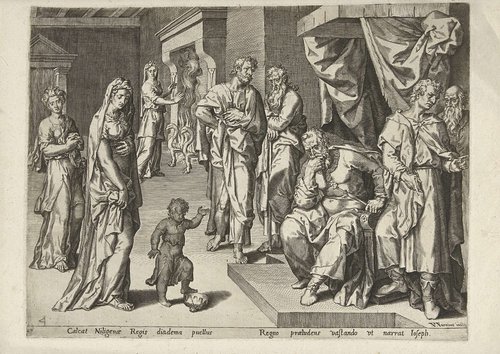
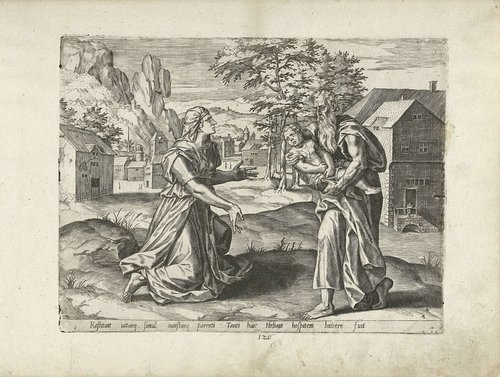
Pieter Jalhea Furnius (1530–1615, though some sources suggest 1545–1610) was a Flemish engraver and draughtsman who worked during the height of Antwerp Mannerism, creating engravings that disseminated the works of prominent Northern European artists throughout Europe. Trained under the renowned painter Lambert Lombard in Liège, Furnius established himself in Antwerp, the commercial and artistic capital of the Low Countries, where he worked for the most important publishing houses of his era, including those run by Christoph Plantin and Hieronymus Cock. His engravings after designs by Pieter Bruegel, Michel Coxie, Johannes Stradanus, and other masters helped establish and spread the visual vocabulary of Northern Renaissance and Mannerist art.
Pieter Jalhea Furnius received his artistic training under Lambert Lombard (1505/06–1566) in Liège. Lombard was one of the most significant Northern European artists of the sixteenth century, known both as a painter and as an influential teacher who trained numerous artists who would become important figures in Netherlandish art. Lombard had traveled to Italy and absorbed Renaissance principles of idealized form, classical subject matter, and systematic perspective, which he transmitted to his students while maintaining distinctively Northern approaches to detail and technique.
Under Lombard's tutelage, Furnius would have received comprehensive training in drawing, the fundamental skill underlying all visual arts. He would have learned to copy master works, to draw from life and from classical sculpture casts, and to develop facility in rendering the human figure, drapery, architectural elements, and natural forms. For someone intending to become an engraver, this drawing training was essential, as engraving required translating drawn designs into the linear language of incised lines on copper plates.
Between 1563 and 1571, Furnius worked as an engraver in the famous Antwerp publishing house run by Christoph Plantin (c. 1520–1589). Plantin's press was one of the most important and sophisticated publishing operations in Europe, producing books notable for their scholarship, printing quality, and illustration. Working for Plantin provided Furnius with steady employment, access to significant commissions, and association with a network of scholars, artists, and craftsmen involved in book production.
Furnius's services were also engaged by Hieronymus Cock (c. 1518–1570), who ran Aux Quatre Vents (At the Sign of the Four Winds), the most important print publishing house in sixteenth-century Antwerp. Cock's establishment published prints after works by major artists including Pieter Bruegel the Elder, Hieronymus Bosch, and Italian masters, helping to disseminate artistic innovations and establish visual culture across Europe. Working for Cock placed Furnius at the center of Northern European printmaking during its golden age.
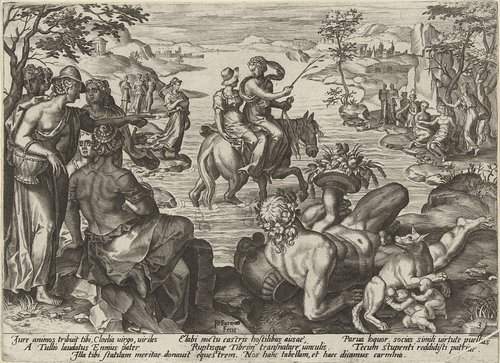
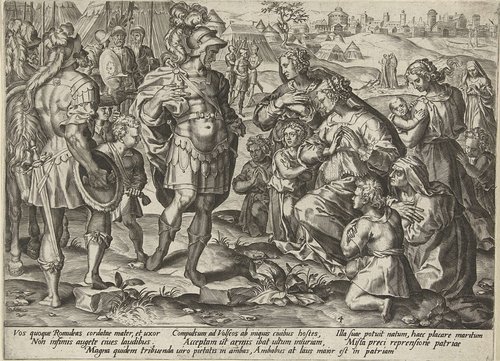
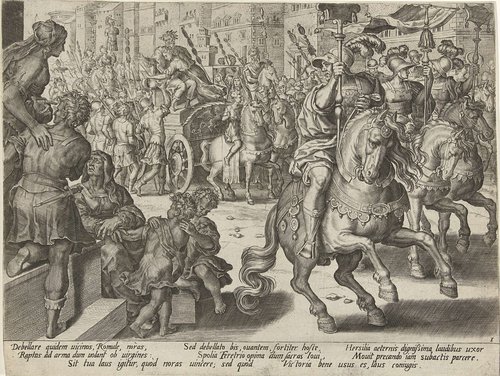
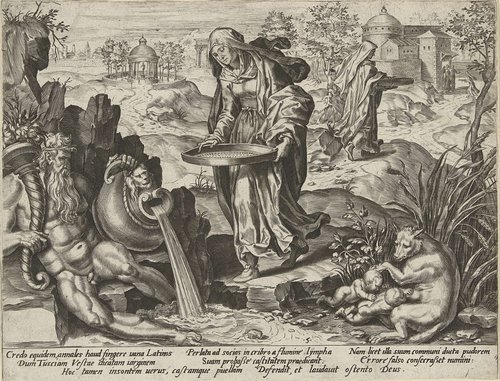
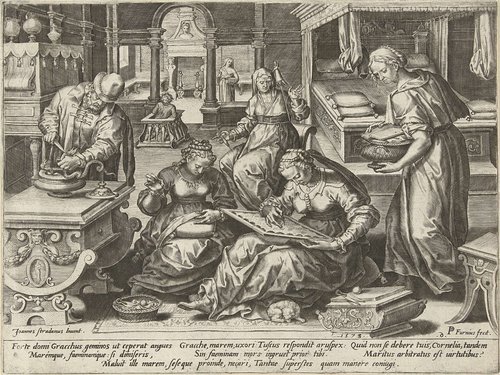
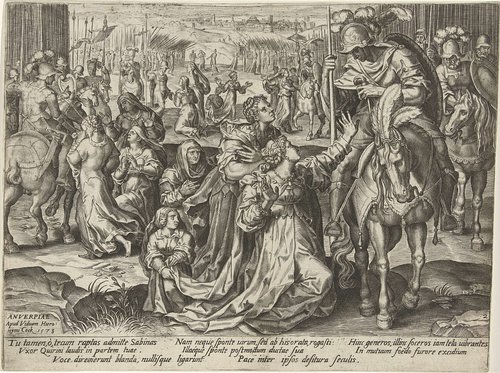
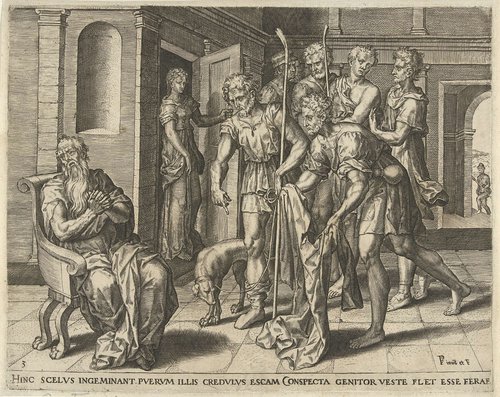
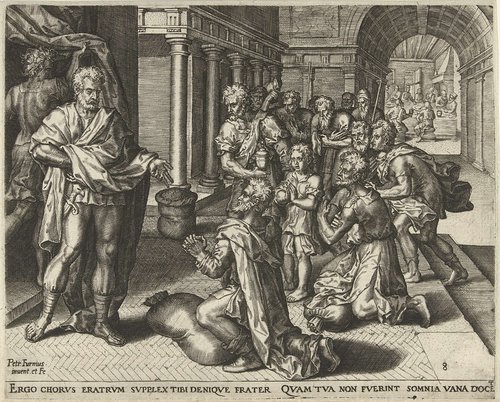
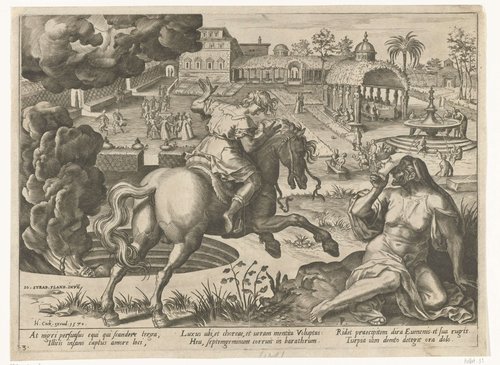
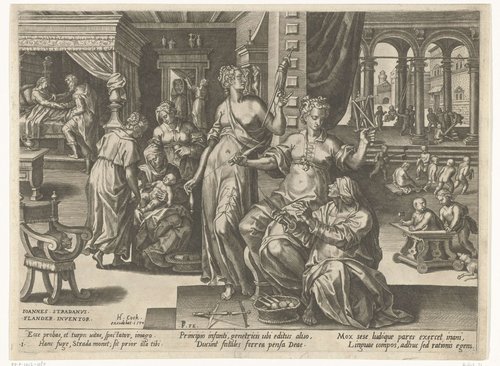
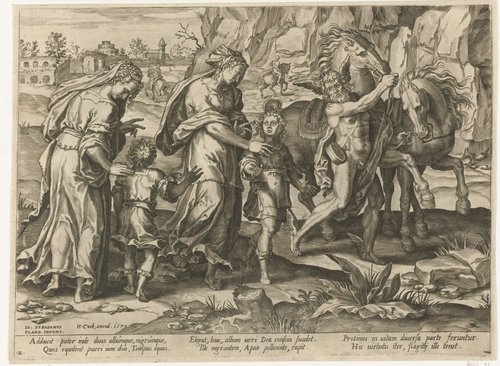
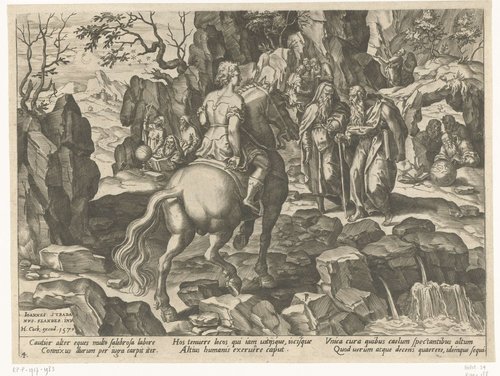
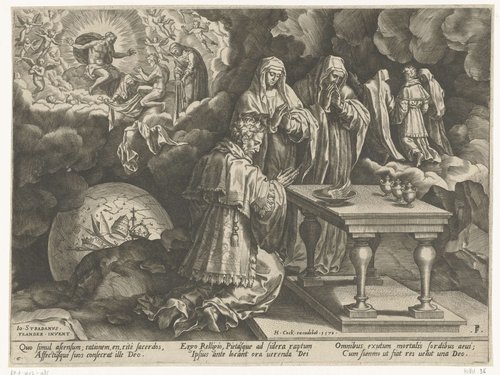
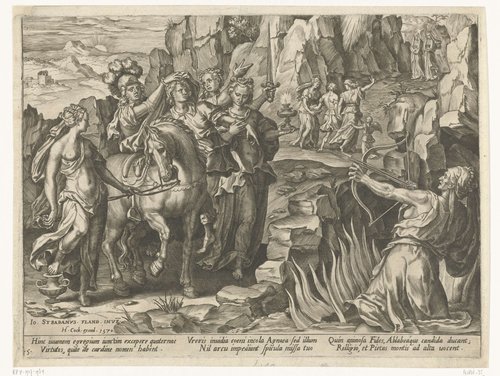
During the heyday of Antwerp Mannerism, Furnius created a series of engravings after designs by prominent masters. His work included engravings after Pieter Bruegel the Elder (c. 1525/30–1569), whose innovative compositions and complex allegorical subjects required skilled interpretation by engravers. He also reproduced designs by Michel Coxie (1499–1592), known as the 'Flemish Raphael' for his Italianate style, and Johannes Stradanus (Jan van der Straet, 1523–1605), a Flemish artist who worked in Italy and created designs depicting contemporary life, exotic subjects, and allegorical themes.
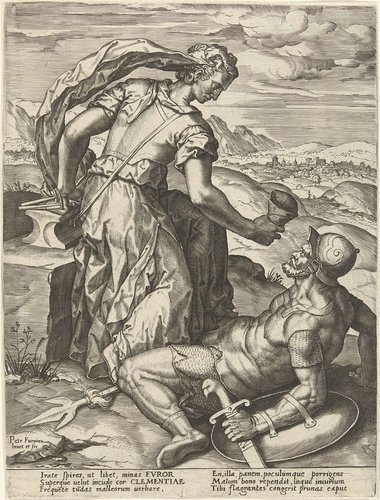
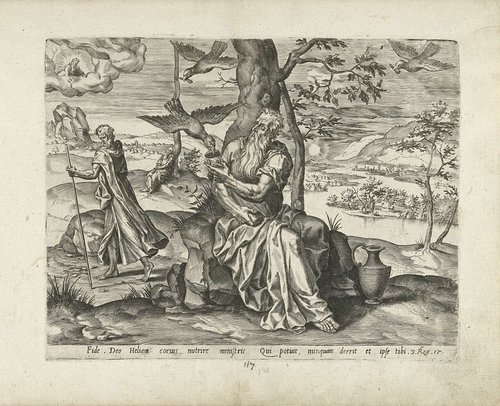
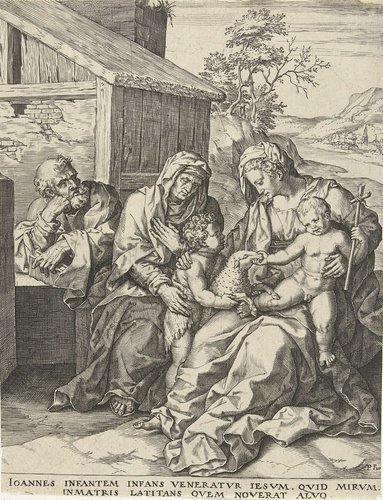
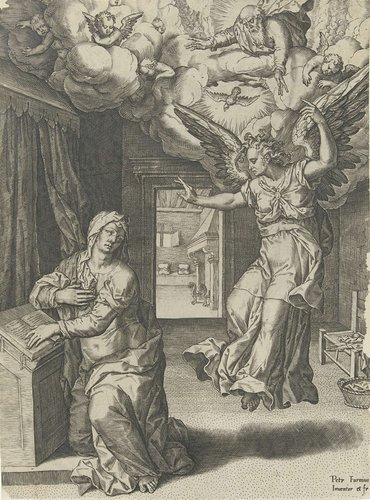
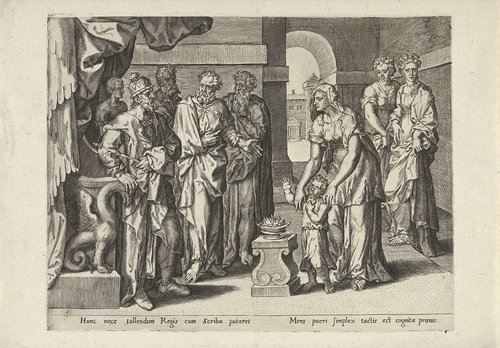
In addition to reproductive engravings after other artists, Furnius created several engravings after his own inventions, demonstrating that he was not merely a craftsman translating others' work but also an independent artist with compositional abilities. His own compositions covered historical, allegorical, and religious subjects characteristic of the period.
Furnius continued working into the early seventeenth century, maintaining his engraving practice even as artistic fashions evolved and the political and religious conflicts of the Dutch Revolt and Eighty Years' War disrupted the Netherlands. His works are preserved in various museum collections including the Metropolitan Museum of Art, Museum Boijmans Van Beuningen in Rotterdam, and the Rijksmuseum Amsterdam.
His engravings served crucial functions in sixteenth and early seventeenth-century visual culture. They made images of important paintings and designs available to those who could never see the originals, they provided models for other artists to study and copy, they circulated allegorical and religious imagery that served educational and devotional purposes, and they helped establish the reputations of the artists whose works they reproduced.
The date of Furnius's death remains uncertain, with different sources providing dates of 1610 or 1615, reflecting the incomplete documentation typical for reproductive engravers who, despite their important cultural role, were often not accorded the biographical attention given to painters. Regardless of the exact date, his career spanned the crucial period when Antwerp dominated Northern European printmaking and when reproductive engraving reached heights of technical and artistic sophistication.
Artheon Research Team
Last updated: 2025-11-09
Biography length: ~894 words
Wikidata (CC0)