Ctrl K
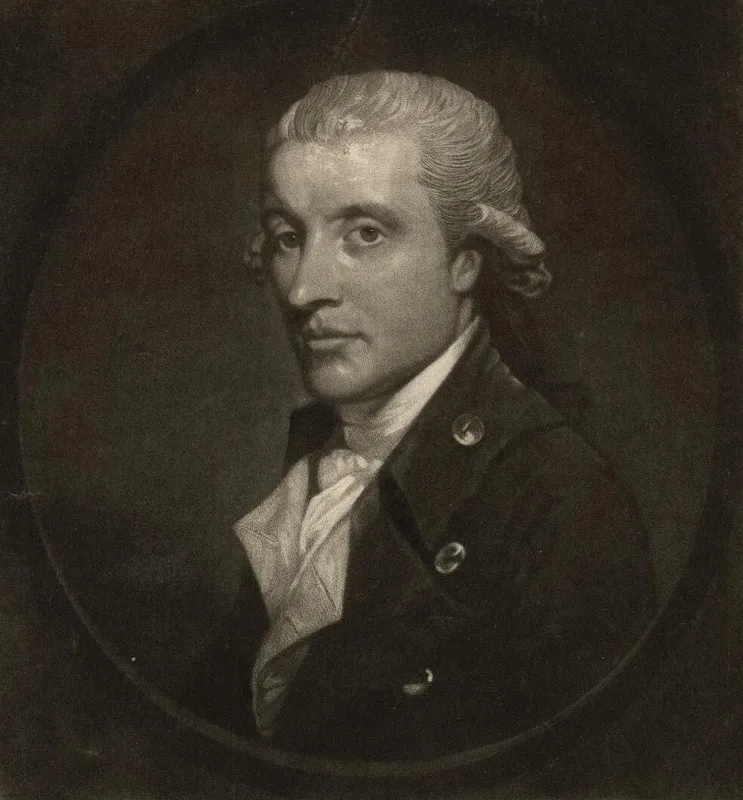
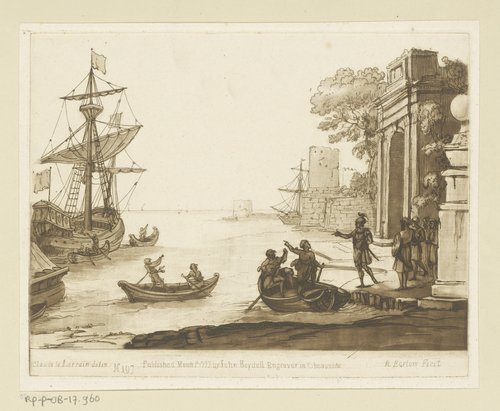
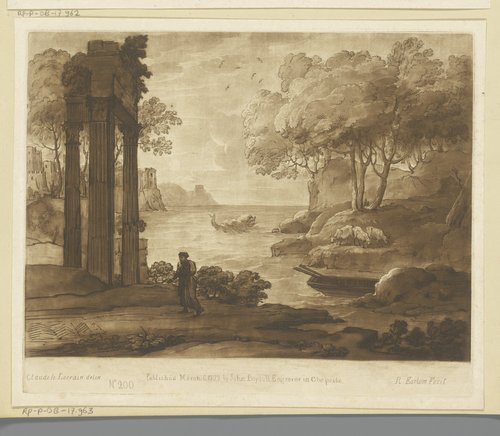
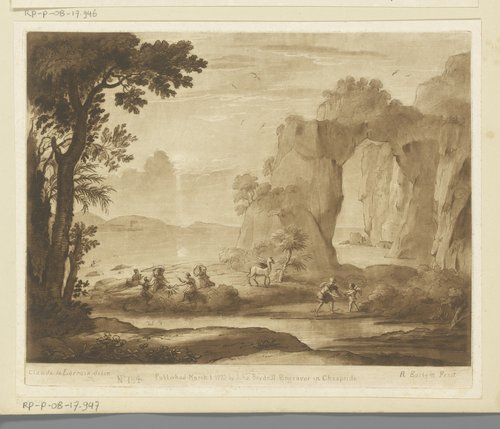
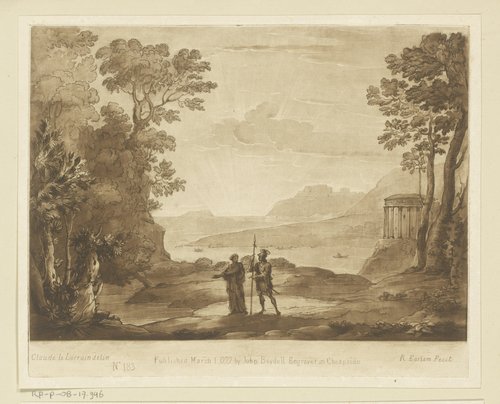
Richard Earlom (1743–1822) stands as one of the supreme masters of mezzotint engraving in British art history, whose technical virtuosity and dedication to reproductive printmaking brought the works of Old Masters to unprecedented audiences. Born in London on May 14, 1743, Earlom spent his entire career transforming paintings and drawings into prints of extraordinary quality, elevating reproductive engraving to a fine art in its own right. His seventy-nine-year life spanned a golden age of British printmaking, when technological advances and growing public interest in art created unprecedented opportunities for skilled engravers. Earlom's genius lay in his mastery of mezzotint, a tonal engraving technique that allowed for subtle gradations of light and shadow impossible in traditional line engraving. His ability to capture not just the composition but the atmospheric qualities and painterly effects of original works set new standards for reproductive printmaking. His most celebrated achievement, the reproduction of Claude Lorrain's 'Liber Veritatis' (Book of Truth) in 200 mezzotint plates (1774–1777), remains a landmark in the history of engraving—a project of such ambition and technical excellence that it secured his reputation for posterity. Beyond his technical mastery, Earlom's career illuminates the economics and cultural impact of printmaking in the 18th and early 19th centuries. Working primarily for the entrepreneurial publisher John Boydell, Earlom helped democratize access to great art, bringing images of important paintings into middle-class homes and artists' studios throughout Britain and Europe. He died a prosperous man on October 9, 1822, having produced some 540 plates and accumulated an estate worth £14,000—testament to both his artistic excellence and the commercial viability of quality printmaking.
Richard Earlom was born in London on May 14, 1743, into a period of expanding opportunity for British artists and artisans. Little is known of his family background, but the trajectory of his career suggests a middle-class origin with sufficient resources to support artistic training.
The pivotal moment in young Earlom's artistic awakening came when he encountered the newly decorated Lord Mayor's state coach, painted by the Italian artist Giovanni Battista Cipriani (1727–1785). Overwhelmed by the beauty of Cipriani's decorative paintings, the young Earlom attempted to copy them—an ambitious undertaking that revealed both his artistic aspirations and his natural talent for drawing.
Recognizing the boy's abilities, his family arranged for Earlom to study under Cipriani himself. This was a fortunate placement, as Cipriani was one of the leading decorative painters in London, a founding member of the Royal Academy (established 1768), and well-connected in artistic circles. Under Cipriani's tutelage, Earlom developed exceptional skill as a draughtsman, learning the principles of composition, form, and the classical style that Cipriani exemplified.
Simultaneously, Earlom acquired training in printmaking. Remarkably, he appears to have been largely self-taught in the technical aspects of engraving, particularly in mezzotint—a testament to his determination and natural aptitude. He also studied at the St. Martin's Lane Academy, an important pre-Royal Academy institution where many British artists received training in life drawing and artistic principles.
In 1765, at age twenty-two, Earlom's career took its decisive turn when he began working for Alderman John Boydell (1719–1804), the most ambitious and successful print publisher in Britain. Boydell was not merely a commercial entrepreneur but a cultural visionary who believed that printmaking could elevate British art and make great paintings accessible to a wider public.
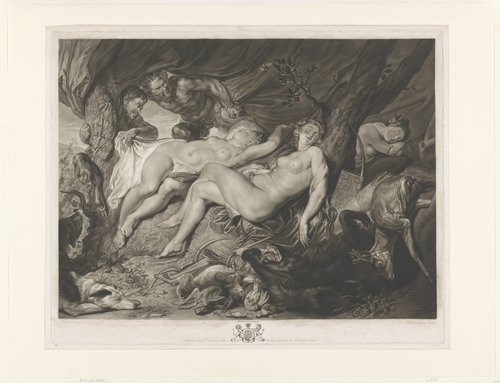
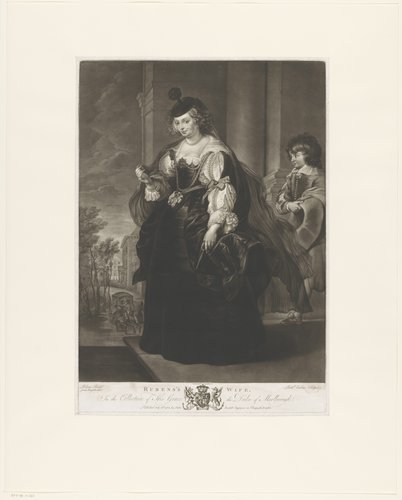
Boydell's first major commission for Earlom was a series of drawings to be made from the paintings at Houghton Hall in Norfolk, the magnificent collection assembled by Britain's first Prime Minister, Sir Robert Walpole. This collection, one of the finest in Britain, included masterworks by European masters. Earlom was to draw these paintings and then engrave them in mezzotint—a massive undertaking that would occupy years of work.
This project served as Earlom's advanced education in Old Master painting. By carefully studying and reproducing works by masters across different schools and periods, he developed an intimate understanding of their techniques, compositions, and effects. The skills he honed during this period—the ability to translate oil painting's tonal subtleties into the gradations of mezzotint—would define his career.
During these years, Earlom established his working method: meticulous preparation, absolute fidelity to the original, and relentless attention to technical quality. He worked primarily in mezzotint, though he also produced etchings and stipple engravings when the subject demanded different treatment.
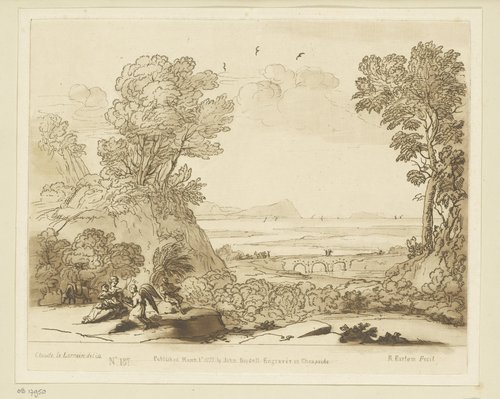
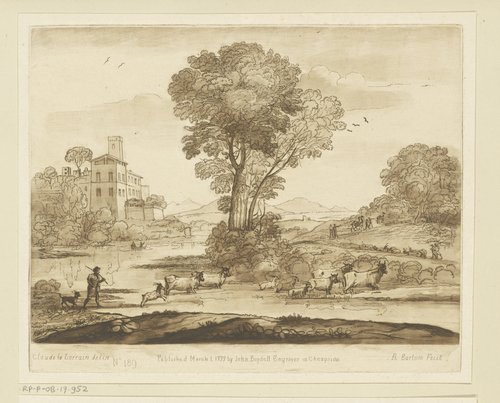
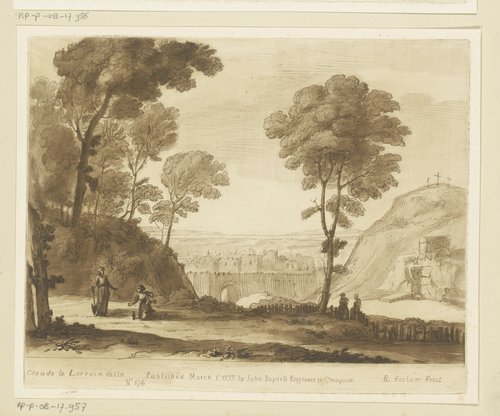
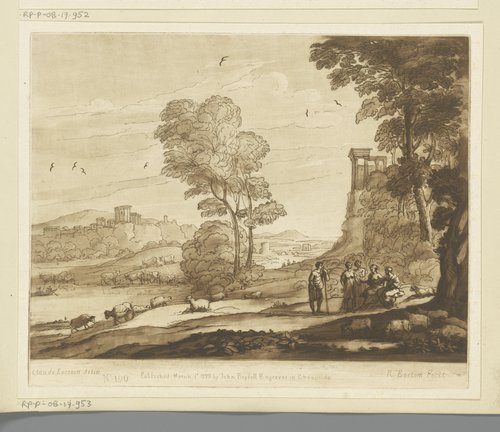
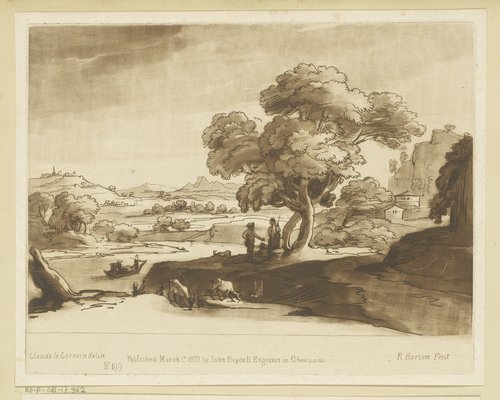
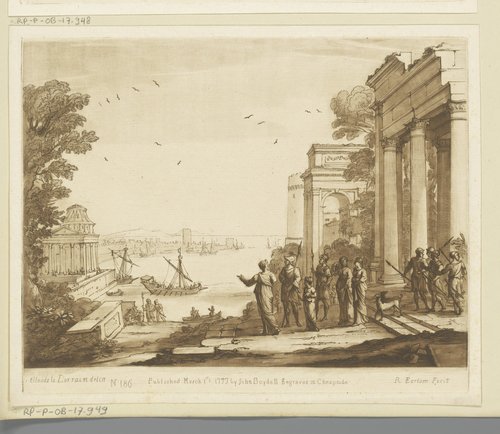
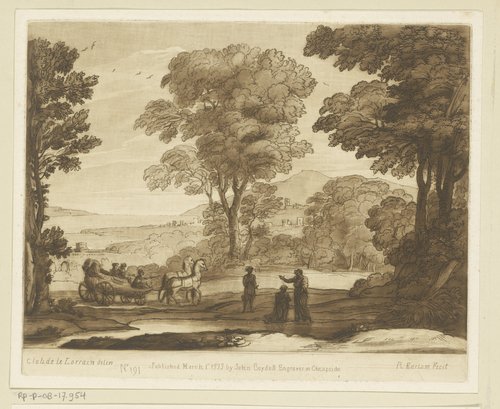
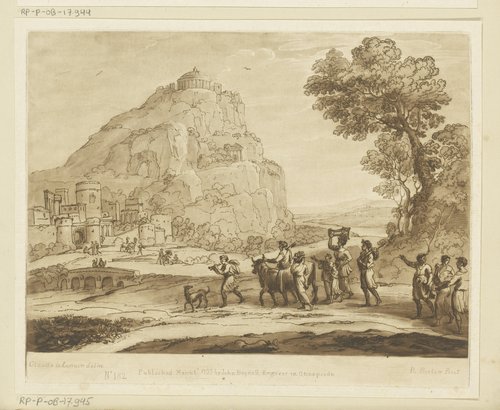
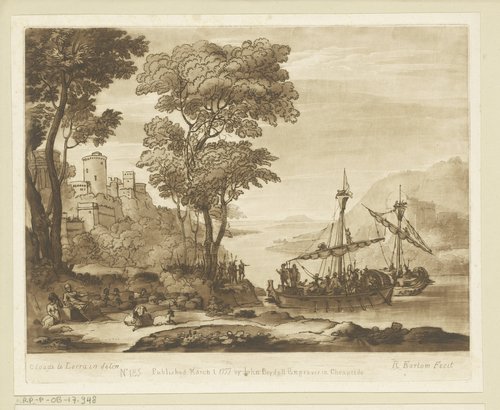
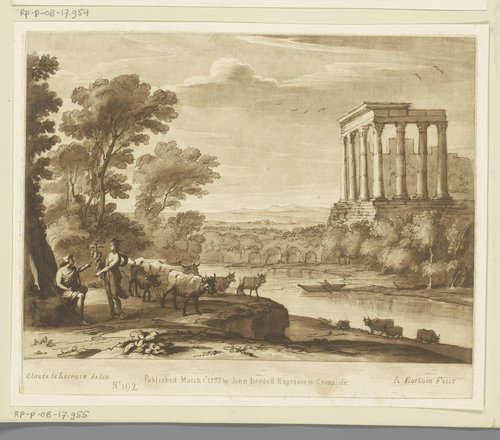
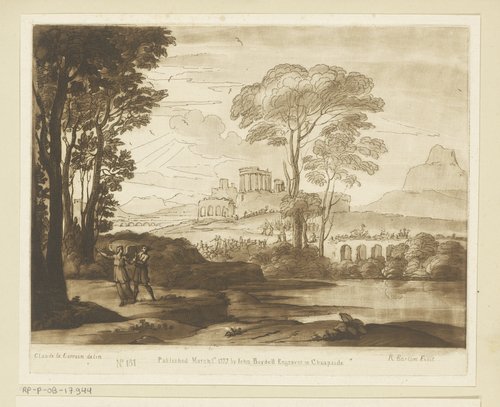
In 1774, John Boydell commissioned Earlom for what would become his masterwork: the reproduction of all 200 drawings in Claude Lorrain's 'Liber Veritatis' (Book of Truth). Claude (1600–1682), the French master of idealized landscape painting, had created this book as a record of his authentic works—drawings made after each painting he completed, as protection against forgeries.
The Liber Veritatis drawings had been acquired by the Duke of Devonshire and were kept at Chatsworth House. Earlom's task was to translate Claude's pen and wash drawings into mezzotint prints that would capture not only the compositions but the atmospheric quality and tonal nuance that made Claude's landscapes so admired.
Working with extraordinary dedication, Earlom completed all 200 plates between 1774 and 1777—an achievement of astonishing productivity given the technical demands of mezzotint. The process involved first creating a copper plate covered entirely with a fine burr (created by rocking a toothed tool across the surface), which would print as deep black. The engraver then scraped and burnished areas to create lighter tones, working from dark to light—the opposite of most engraving techniques.
The published 'Liber Veritatis' was an immediate critical and commercial success. Earlom's mezzotints, printed in rich bistre (brown) tones rather than black, captured the warmth and atmospheric perspective of Claude's original drawings with unprecedented fidelity. The publication became essential for artists, particularly landscape painters, and established the standard by which reproductive prints would be judged.
This triumph secured Earlom's reputation as the premier mezzotint engraver in Britain. Commissions flowed steadily from Boydell and other publishers, allowing Earlom to be selective and to focus on projects that interested him artistically.
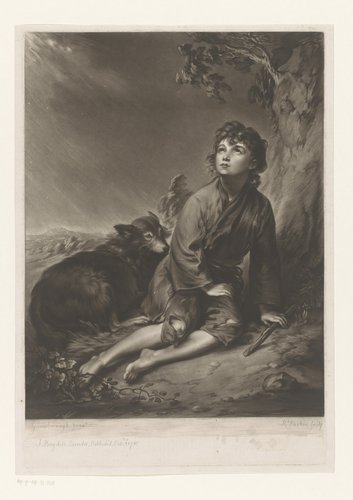
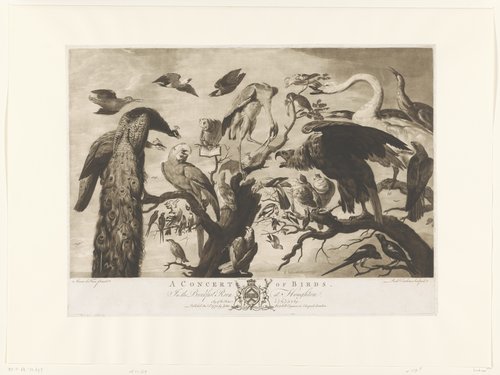
Following the success of the Liber Veritatis, Earlom's later career showed remarkable range. While he continued reproductive work after Old Masters, he also engaged with contemporary British art, creating mezzotints after paintings by leading artists of his day.
Among his finest later works were his fruit and flower pieces after Dutch masters Jan van Huysum and Jan van Os. These prints, with their intricate detail and subtle tonal gradations, demonstrated mezzotint's capacity for rendering texture and delicate color transitions. Earlom's technique could suggest the velvet softness of rose petals, the waxy sheen of grapes, and the varied surfaces of different fruits—all through carefully controlled gradations of tone.
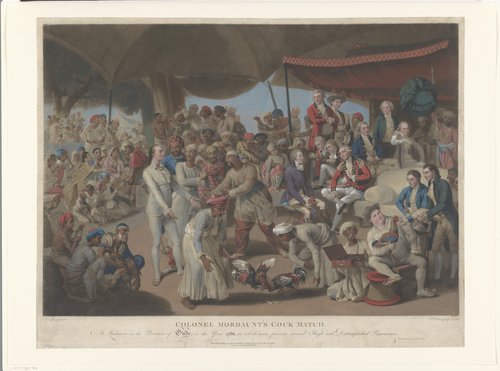
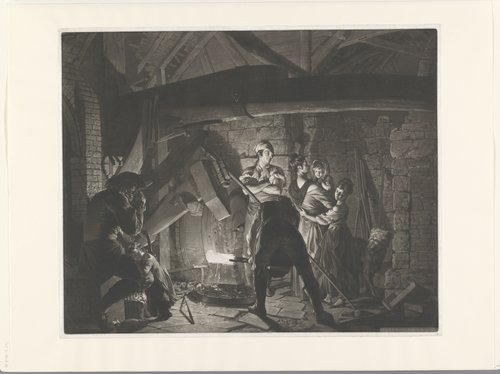
He also produced important historical and figure subjects, including 'Agrippina Landing at Brundisium with the Ashes of Germanicus' after Benjamin West, a key work of British Neoclassical painting. His 'Love in Bondage' after Guido Reni showed his ability to handle Italian Baroque sensibility. Particularly significant were his prints after Johan Zoffany, including 'The Royal Academy,' 'Colonel Mordaunt's Cock Fight,' and 'Tiger Hunt'—complex multi-figure compositions that demonstrated Earlom's ability to organize pictorial space and maintain clarity in elaborate scenes.
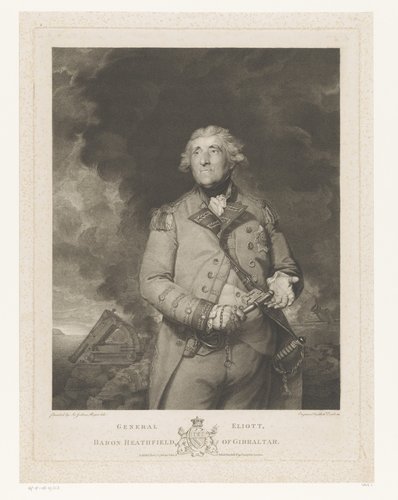
His 'Lord Heathfield, Governor of Gibraltar' after Sir Joshua Reynolds captured the commanding presence of Reynolds's grand manner portraiture. Through such works, Earlom served as a crucial intermediary between painters and the public, translating contemporary British art into a form that could be widely distributed and studied.
Over his long career, Earlom produced some 540 mezzotints, etchings, and engravings—a substantial body of work by any measure. He maintained high standards throughout, refusing to compromise quality for speed. This dedication to excellence, combined with the commercial success of his prints, brought him substantial wealth. When he died in London on October 9, 1822, at age seventy-nine, he left an estate worth approximately £14,000—a considerable fortune that testified to both his artistic success and his business acumen.
Artheon Research Team
Last updated: 2025-11-09
Biography length: ~1,842 words
Wikidata (CC0)