Ctrl K
1866–1942
Occupations
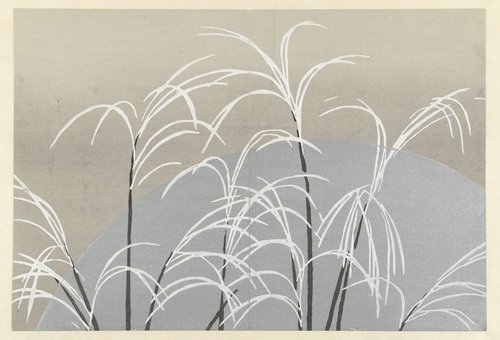
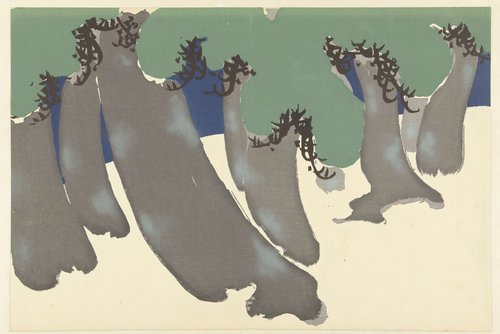
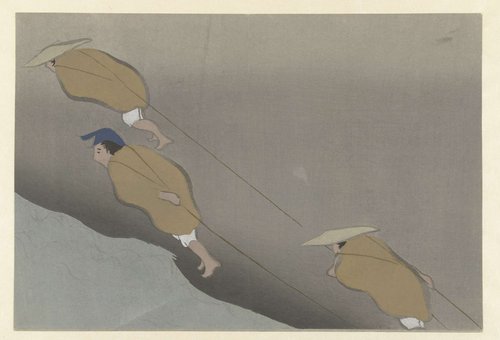
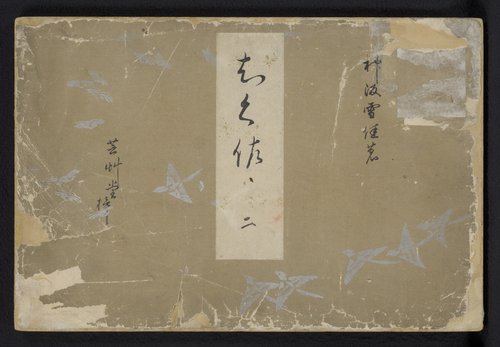
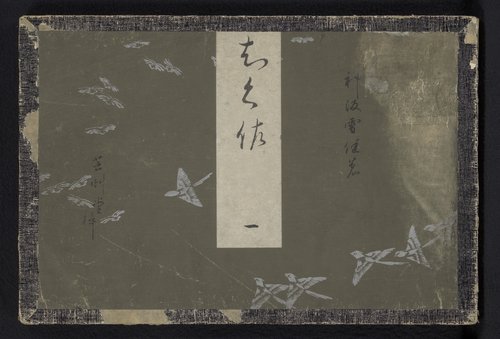
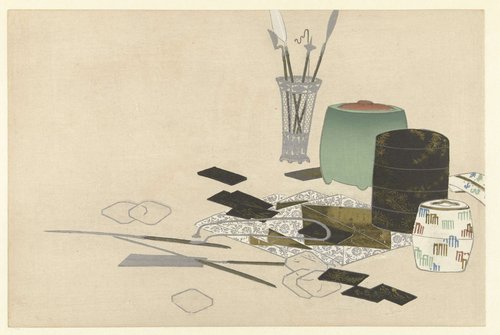
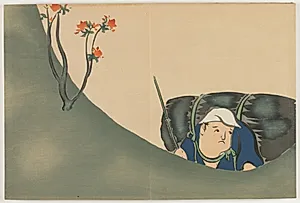
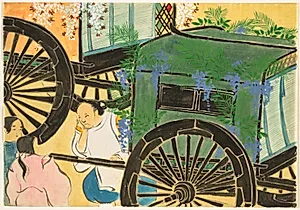
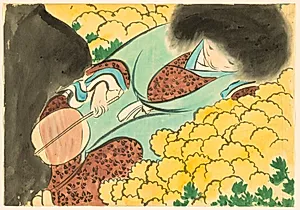
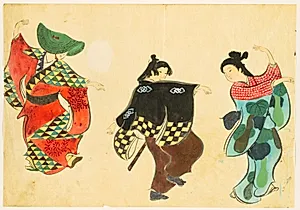
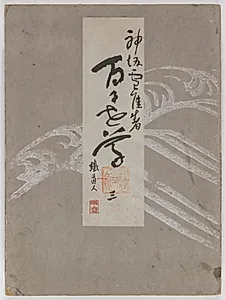
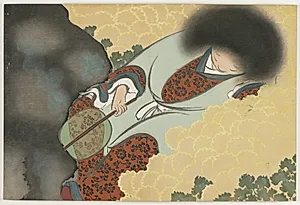
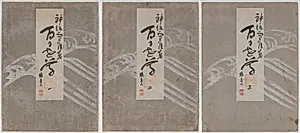
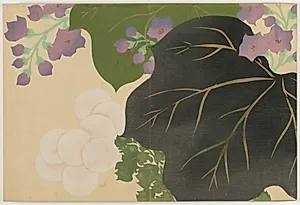
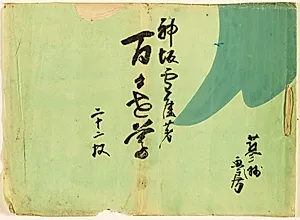
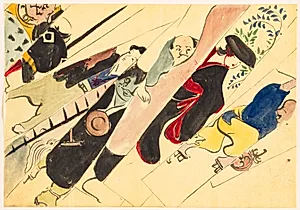
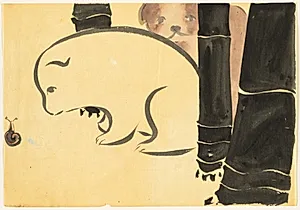
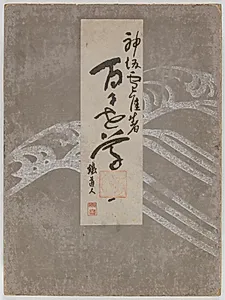
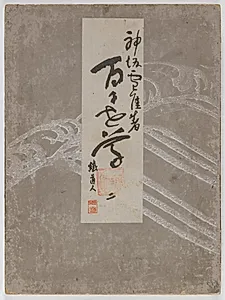
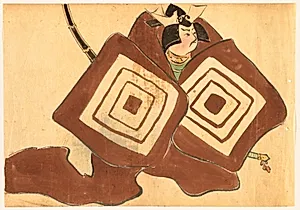
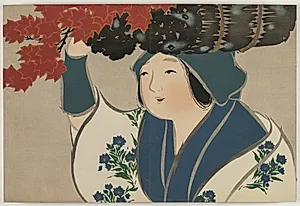
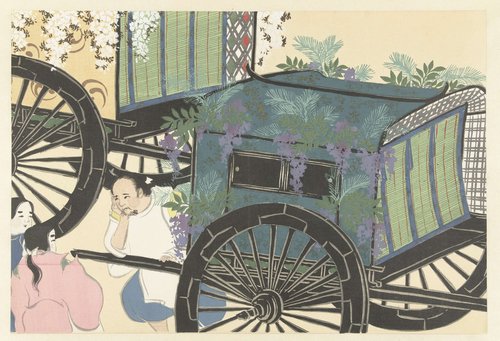
Kamisaka Sekka (1866-1942) was a pivotal figure in early twentieth-century Japanese art, recognized as a master of the Rinpa (or Rimpa) school revival and a pioneer of modern Japanese design. Born in Kyoto to a samurai family, Sekka successfully bridged traditional Japanese aesthetics with Western Art Nouveau influences, creating a distinctive synthesis that profoundly influenced Japanese design education and commercial art. Sekka's international experience proved transformative to his artistic development. In 1901, the Japanese government sent him to Glasgow, Scotland, to study Western art and design at the Glasgow School of Art, exposing him to the flourishing Art Nouveau movement. Upon his return to Japan, he became a professor at the Kyoto Municipal School of Arts and Crafts, where he trained a generation of designers and craftsmen. His masterwork, the three-volume woodblock print series Momoyogusa (A World of Things), commissioned between 1909 and 1910, demonstrates his mature synthesis of Rinpa decorative traditions with modern design sensibilities, establishing him as one of the most important figures in the transition from traditional Japanese art to modern design.
Kamisaka Sekka was born in 1866 in Kyoto to a samurai family. His artistic talents were recognized early, and he received training in traditional Japanese painting, particularly in the Rinpa school tradition that had flourished in Kyoto for centuries. The Rinpa aesthetic, characterized by decorative compositions, bold use of color, and stylized natural forms, would remain central to his artistic identity throughout his career. During this period, Sekka developed mastery of traditional techniques including painting, calligraphy, and design for various craft media.
In 1901, Sekka received a transformative opportunity when the Japanese government selected him to travel to Glasgow, Scotland, to study Western art and design at the Glasgow School of Art. This exposure to the Art Nouveau movement, particularly the work of Charles Rennie Mackintosh and the Glasgow Style, profoundly influenced Sekka's aesthetic vision. He absorbed the principles of modern design while maintaining his grounding in Japanese tradition, preparing him to become a bridge between East and West.
Returning to Japan, Sekka became a professor at the Kyoto Municipal School of Arts and Crafts (Kyoto Kōgei Gakkō), where he exerted enormous influence on the development of modern Japanese design education. His teaching integrated traditional Rinpa aesthetics with modern design principles, training students who would shape Japanese commercial and applied arts for decades. Between 1909 and 1910, he created his masterwork Momoyogusa (A World of Things), a three-volume set of woodblock prints commissioned by the Kyoto publisher Unsodo. These prints demonstrate his mature synthesis of traditional and modern, featuring elegant natural forms rendered with both decorative restraint and innovative composition. Sekka continued working until his death in 1942, leaving a legacy as a pioneer of modern Japanese design whose work remains highly valued by collectors worldwide.
Artheon Research Team
Last updated: 2025-11-09
Biography length: ~467 words
Wikidata (CC0); Getty ULAN (ODC-By)