1706–1780
Occupations
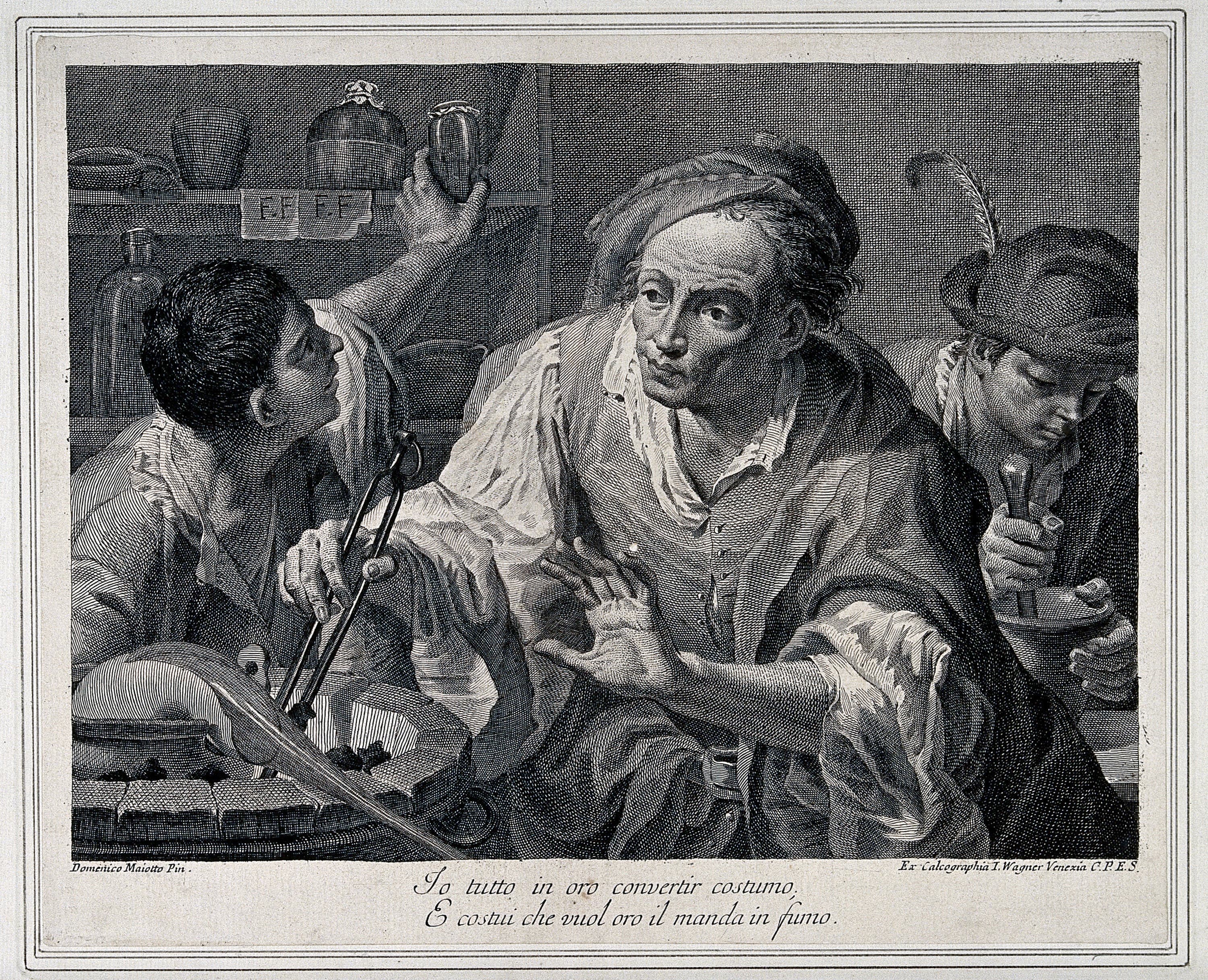
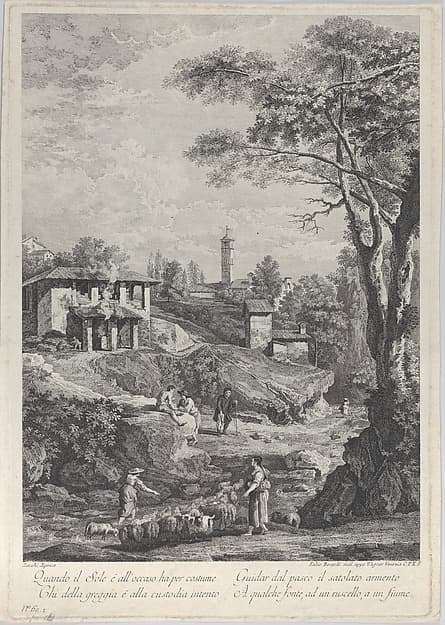
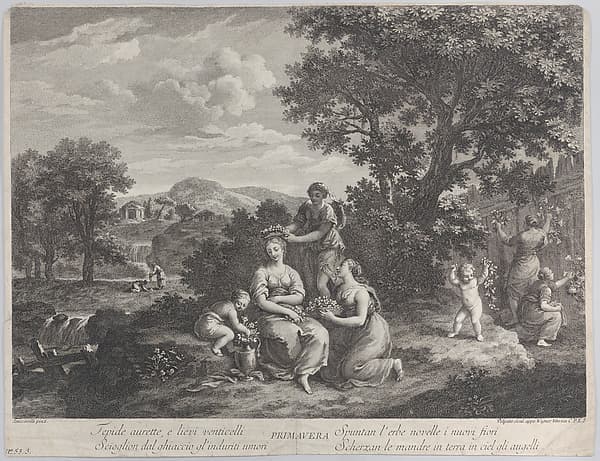
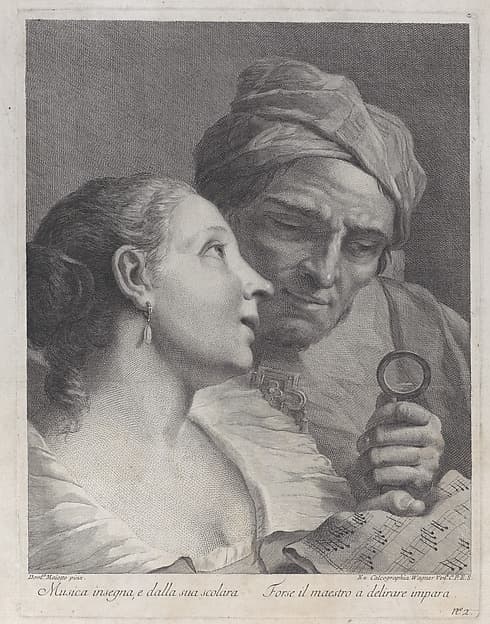
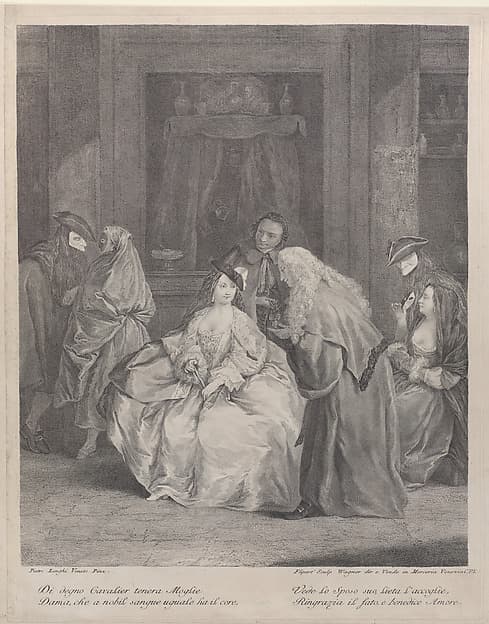
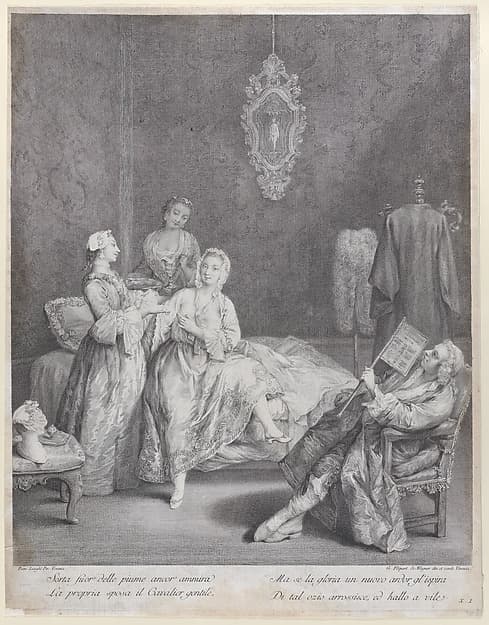
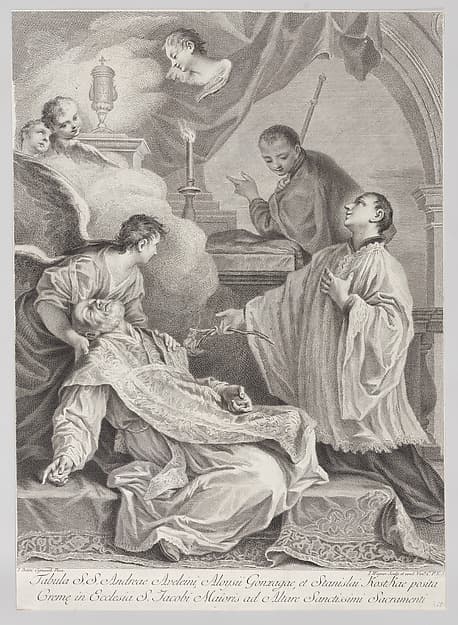
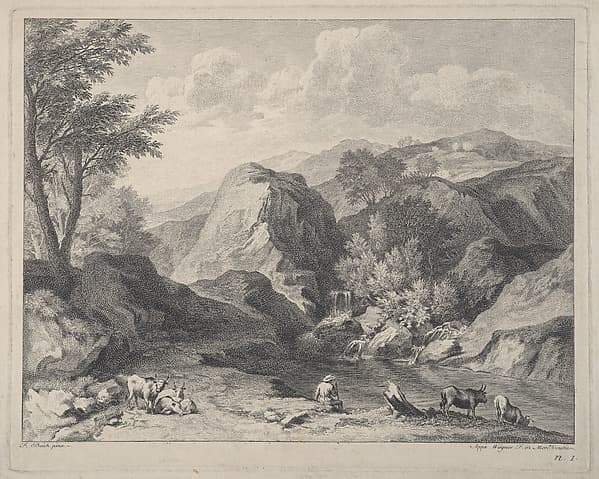
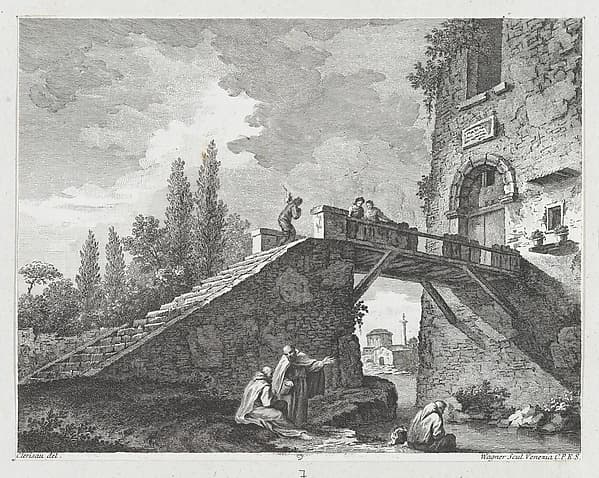
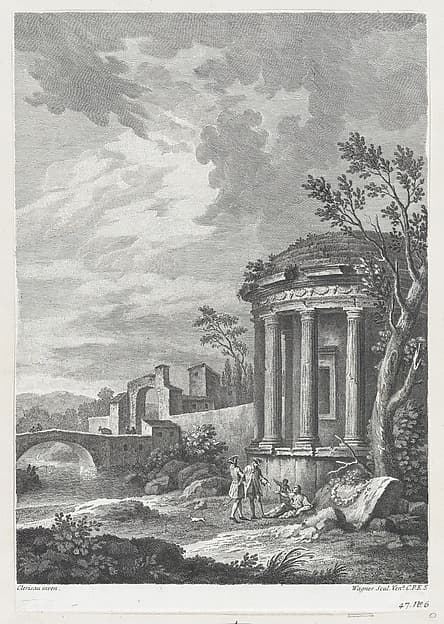
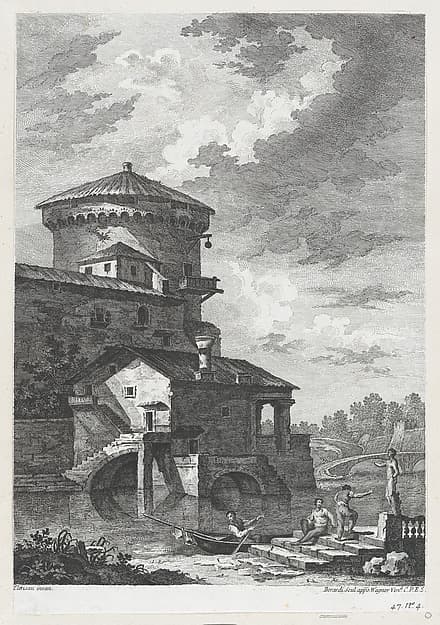
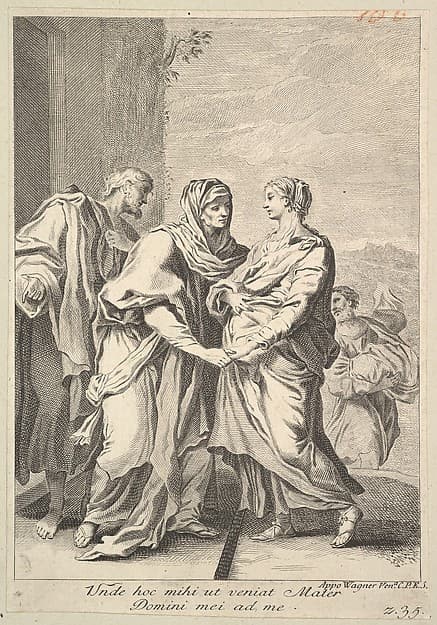
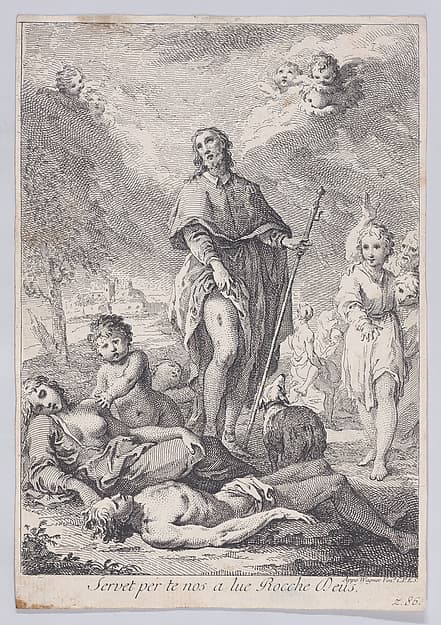
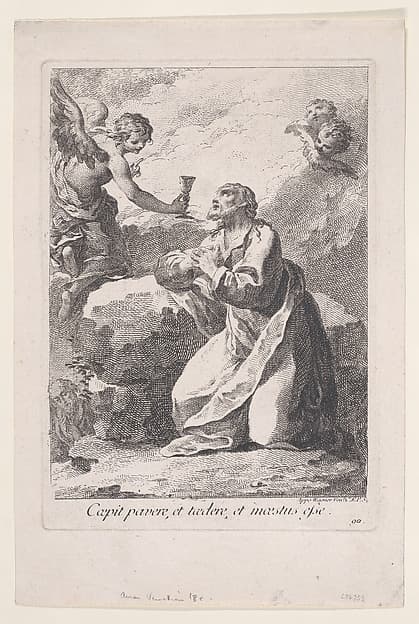
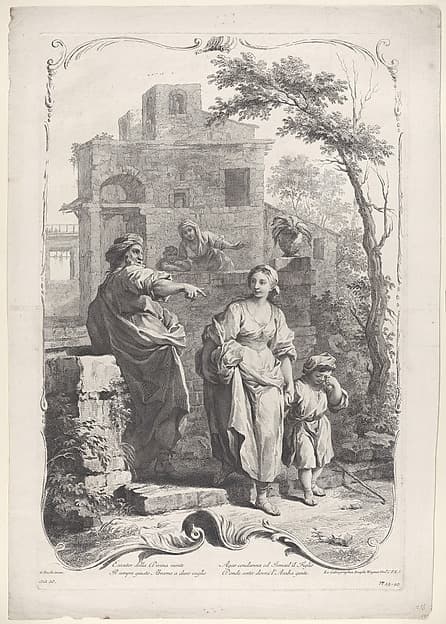
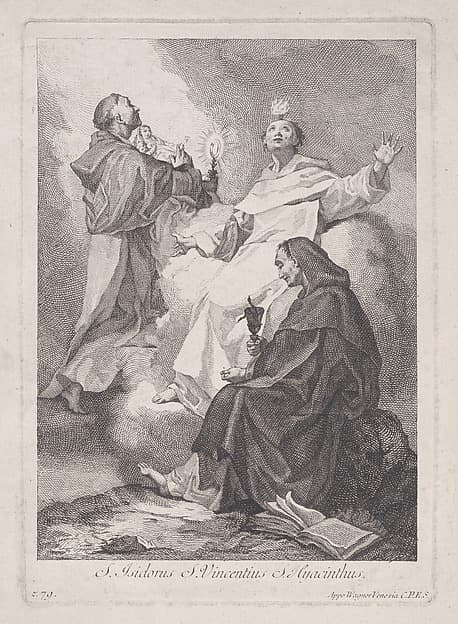
Joseph Wagner (1706–1780) was a highly accomplished German engraver and draughtsman who spent the majority of his career in Venice, where he became one of the most important figures in eighteenth-century Venetian printmaking. Born in Thalendorf near Lake Constance in 1706, Wagner initially trained as a painter under the Venetian-born artist Jacopo Amigoni before being persuaded to dedicate himself to the art of engraving. This decision proved momentous, as Wagner would go on to become not only a masterful reproductive engraver but also an influential teacher and successful print publisher who played a crucial role in disseminating Venetian art throughout Europe. Wagner's significance extends beyond his technical excellence to encompass his institutional impact on the art world. In Venice, he established both a school of engraving and a publishing house, creating an infrastructure that trained numerous talented engravers and distributed high-quality prints of contemporary Venetian painting. Among his most distinguished pupils was Francesco Bartolozzi, who would revolutionize the technique of stipple engraving and become one of the most celebrated printmakers in eighteenth-century England. Wagner's workshop also employed talented assistants including Flipart and Berardi, creating a true artistic enterprise. Wagner's artistic production encompassed a wide range of subjects—portraits of distinguished contemporaries, religious scenes after Italian masters, genre subjects, and landscapes. His engravings reproduced works by leading Venetian painters including Giovanni Battista Tiepolo, Sebastiano Ricci, Francesco Zuccarelli, and others, helping to establish the international reputation of Venetian Rococo painting. Through his dual role as engraver and publisher, Wagner contributed significantly to the eighteenth-century transformation of printmaking into both a fine art and a sophisticated commercial enterprise.
Joseph Wagner was born in 1706 in Thalendorf, a small locality in Gestratz, situated near Lake Constance in southern Germany. This region, on the borders between German-speaking lands, Switzerland, and Austria, had long-standing cultural and economic connections with Italy, particularly through the Alpine trade routes.
Wagner's artistic talents manifested early, leading him to pursue training in painting. His path to Italy—the traditional destination for ambitious young Northern European artists—came through his connection with Jacopo Amigoni (c.1682–1752), a Venetian painter who had established an international career painting decorative frescoes and portraits in various European courts.
Under Amigoni's tutelage in Venice, Wagner received training in the principles of painting, learning composition, drawing, and the Venetian coloristic tradition. However, Amigoni recognized that Wagner's particular talents might be better suited to the art of engraving, a field that combined artistic sensitivity with technical precision and offered more reliable commercial prospects than the competitive world of painting.
Amigoni's influence proved decisive—he persuaded Wagner to redirect his focus toward engraving. This career guidance would prove remarkably prescient, as Wagner would achieve in printmaking a level of success and influence that might have eluded him as a painter in the crowded field of eighteenth-century Venetian art.
Following the established pattern for artistic training, Wagner embarked on an extended period of travel to broaden his education and refine his skills. Accompanied by Amigoni, he journeyed to Rome, the eternal city that remained the primary destination for artistic pilgrimage. In Rome, Wagner would have encountered the masterpieces of Renaissance and Baroque art, studying both ancient sculptures and the works of Raphael, the Carracci, and other masters whose compositions were frequently reproduced in engravings.
The itinerant education continued to Bologna, where the Carracci academy had established influential traditions of drawing and painting. These experiences in the great Italian art cities provided Wagner with a comprehensive visual vocabulary and understanding of the compositional principles that would inform his later work as a reproductive engraver.
In 1733, a significant opportunity arose when Wagner accompanied Amigoni to England. The journey introduced Wagner to the vibrant London art market, where there was substantial demand for high-quality engravings. He would have encountered the flourishing English tradition of mezzotint portrait engraving and the sophisticated network of print sellers and publishers that made London one of Europe's major centers for the print trade.
After the English sojourn, Wagner made his way to Paris, then the European capital of luxury goods and refined taste. In Paris, he pursued formal training in engraving under Laurent Cars (1699–1771), one of the leading French engravers of the period. Cars was particularly accomplished in the technique of line engraving, and his instruction provided Wagner with the technical foundation that would characterize his mature work.
This cosmopolitan education—encompassing Venetian painting, Roman classical traditions, English market awareness, and French technical precision—equipped Wagner with an exceptionally broad artistic and commercial foundation.
By the early 1740s, Wagner had returned to Venice, where he would spend the remainder of his career. He established himself not merely as an independent engraver but as an entrepreneur, founding both a school of engraving and a print-publishing business—two enterprises that proved mutually reinforcing.
As a teacher, Wagner attracted talented students eager to learn the demanding art of reproductive engraving. His pedagogical approach apparently emphasized both technical precision and artistic sensitivity, training engravers who could translate the coloristic brilliance of Venetian painting into the black-and-white medium of copper engraving. The school became a recognized institution within Venice's artistic community.
Simultaneously, Wagner's publishing house provided an outlet for both his own engravings and those of his students and assistants. As a publisher, Wagner controlled the entire process from plate production to distribution, ensuring quality and maximizing profits. His publications circulated throughout Europe, carried by the extensive network of print dealers that connected major cities.
Wagner's strategic position in Venice proved advantageous. The city remained a major artistic center, home to brilliant painters including Giovanni Battista Tiepolo, whose dramatic compositions and masterful handling of light made his works ideal subjects for reproductive engraving. Wagner developed professional relationships with leading Venetian painters, obtaining access to their works for reproduction.
During this period, Wagner produced some of his finest engravings, translating the loose brushwork and luminous color of Venetian Rococo painting into precisely controlled line work. His technical approach involved careful gradation of line density to suggest tonal values, capturing the atmospheric effects and spatial depth of the original paintings.
Wagner's later decades saw his influence expand through both his continued production of engravings and the success of his former pupils. His workshop had become a significant artistic institution, and several of his students had achieved independent success, thereby extending Wagner's influence.
Most notably, Francesco Bartolozzi (1727–1815) emerged as one of the century's most innovative printmakers. Bartolozzi had trained in Wagner's Venetian workshop before moving to England, where he perfected the technique of stipple engraving and became Engraver to the King. Bartolozzi's international success reflected considerable credit on his former master and demonstrated the quality of training Wagner provided.
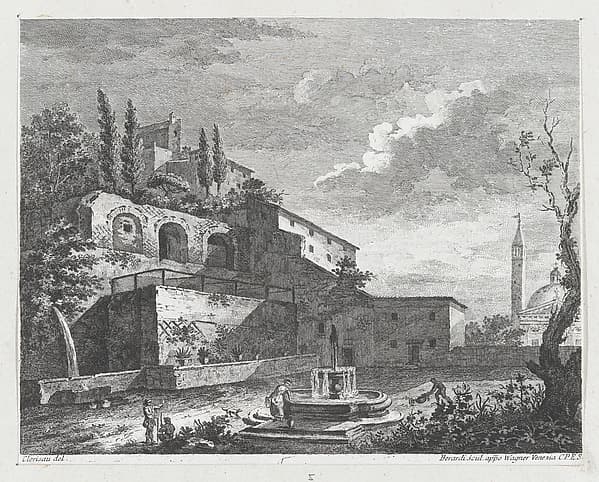
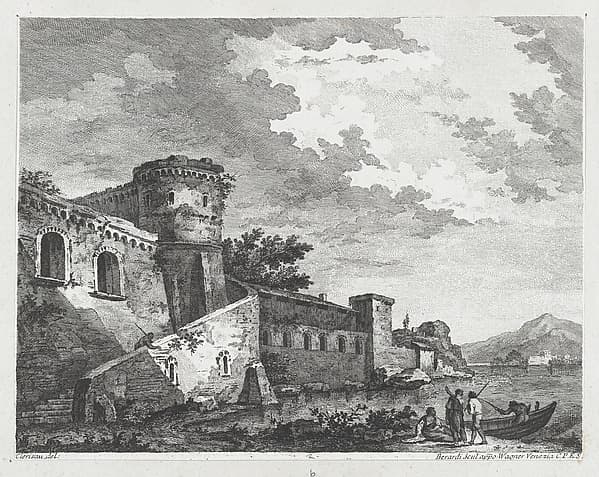
Other accomplished assistants and pupils included Flipart and Berardi, who worked in Wagner's establishment and contributed to the substantial output of high-quality engravings that bore Wagner's imprint. The existence of this productive workshop meant that 'Wagner' became not just an individual engraver's name but a mark of quality recognized throughout the European print market.
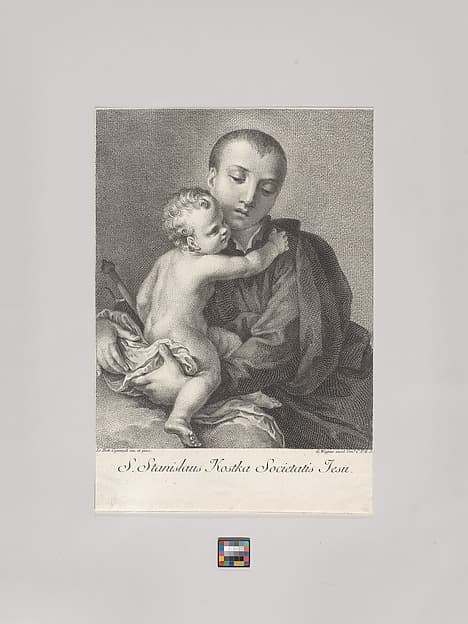
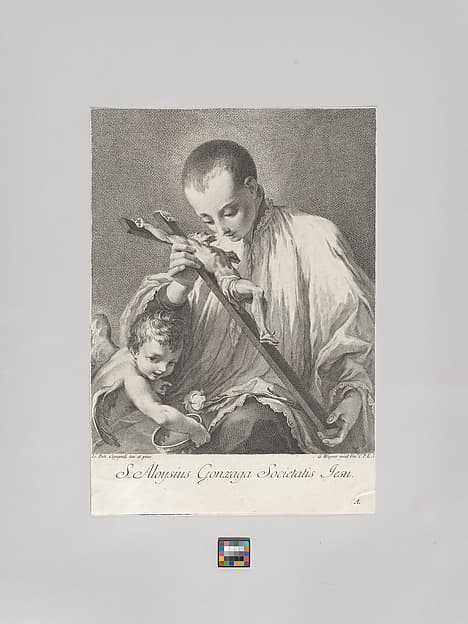
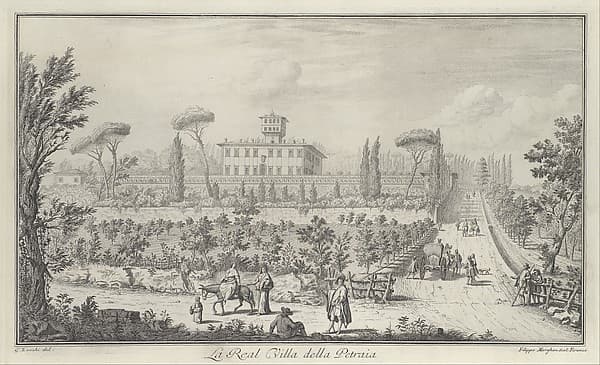
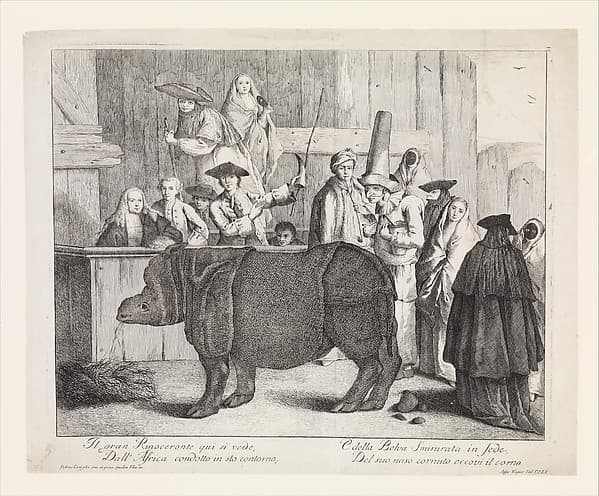
Wagner's subject matter remained diverse. He continued to reproduce contemporary Venetian painting, but also engraved works after earlier masters. His portrait engravings documented distinguished contemporaries, creating a visual record of eighteenth-century notables. His religious subjects, landscape prints, and genre scenes demonstrated versatility and responded to varied market demands.
The final phase of Wagner's life saw a return to his German homeland. He died in Munich in 1780, though some sources suggest he may have died in Venice. By the time of his death, he had spent four decades as one of Venice's most important artistic entrepreneurs, having trained a generation of engravers and produced a substantial corpus of prints that helped disseminate knowledge of Venetian art throughout Europe.
Wagner's legacy resided not in a revolutionary new technique or style, but in the consistently high quality of his work, the institutional infrastructure he created, and the talented practitioners he trained. Through his school and publishing house, he had established a model for the professional printmaker as both artist and entrepreneur—a model that would characterize the print trade for generations to come.
claude-biography-agent
Last updated: 2025-11-09
Biography length: ~1,876 words
Wikidata/Wikimedia Commons