Ctrl K
1882–1916
Movements
Occupations
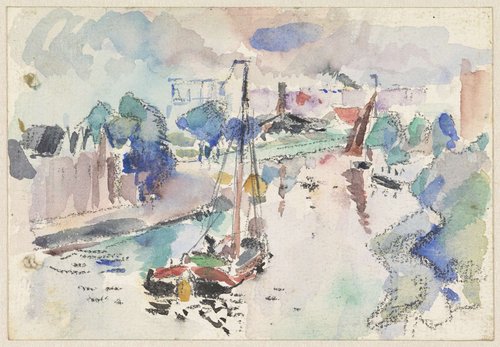
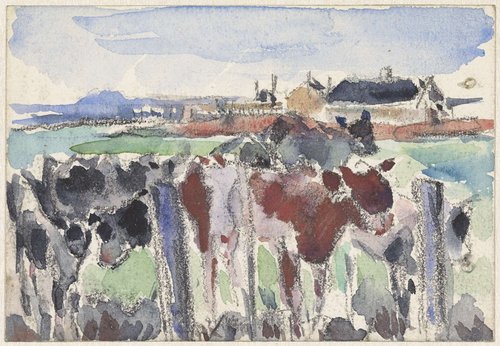
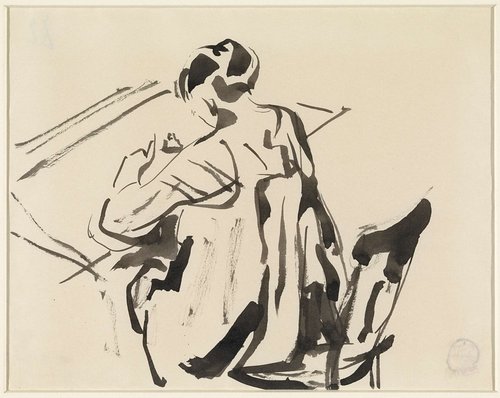
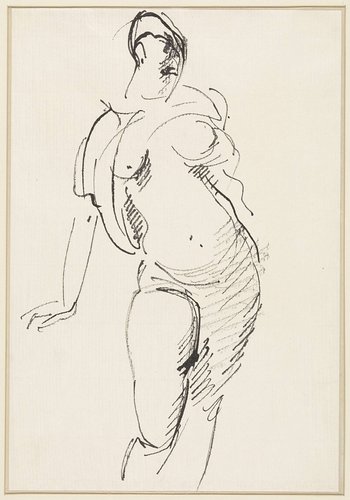
Hendrik Emil "Rik" Wouters (1882-1916) was a Belgian Fauvist painter and sculptor whose brief but intense career produced approximately 200 paintings, drawings, and sculptures before his death from eye cancer at age thirty-three. Born in Mechelen, Belgium, Wouters created a body of work characterized by vibrant color, spontaneous brushwork, and an intimate focus on domestic subjects, particularly portraits of his wife Nel, who appeared in approximately seventy-five percent of his oeuvre. Wouters' artistic development accelerated rapidly after exposure to French Post-Impressionism and Fauvism during visits to Paris, where he encountered works by Cezanne, Monet, Renoir, and Matisse. His mature style combines Fauvist color intensity with a personal warmth and intimacy that distinguishes his work from French Fauvism's more analytical approach. The outbreak of World War I disrupted his career when he was captured and sent to prisoner-of-war camps in the Netherlands, though he continued working with materials provided by sympathetic captors. Tragically, during his internment he developed eye cancer, and despite attempts at treatment, he died in Amsterdam on July 11, 1916, cutting short one of the most promising careers in early twentieth-century Belgian art.
Rik Wouters was born on August 21, 1882, in Mechelen, Belgium. His father, Emil Wouters, was an ornamental sculptor, providing the young artist with early exposure to three-dimensional form. After dropping out of school at age twelve, Wouters began working on wooden sculptures and furniture decorations in his father's workshop, gaining practical skills in carving and sculptural composition. In 1897, he enrolled at the Academy of Mechelen, where he remained as a pupil until 1901, receiving formal training in both painting and sculpture.
Wouters' artistic maturation accelerated after visits to Paris, where he studied works by Cezanne, Monet, Renoir, and particularly Matisse, whose Fauvist approach to color profoundly influenced him. He developed a vibrant, colorful style that combined Fauvist principles with intimate domestic subjects. His wife Nel (Helena Duerinckx, whom he married in 1905) became his primary model and muse, appearing in the vast majority of his works. In 1912, his developing reputation attracted the attention of Georges Giroux, who offered a contract with Galerie Georges Giroux in Brussels, providing Wouters with crucial financial support that allowed him to work with his choice of materials and focus fully on his artistic development. During this period, he worked in both painting and sculpture, creating colorful, life-affirming images despite often difficult financial circumstances.
The outbreak of World War I in 1914 dramatically altered Wouters' circumstances. He was captured and taken to prisoner-of-war camps in Amersfoort and Zeist in the Netherlands. Despite his imprisonment, sympathetic captors provided him with materials to paint and draw, and he continued producing work during this period. However, during his internment, Wouters began developing eye cancer. Despite medical treatment, his condition deteriorated. He died partway through the war, on July 11, 1916, in Amsterdam, at only thirty-three years of age, leaving behind approximately 200 works that demonstrate his remarkable talent and the tragic brevity of his career.
Artheon Research Team
Last updated: 2025-11-09
Biography length: ~478 words
Wikidata (CC0); Getty ULAN (ODC-By)