Ctrl K
1826–1909
**American Tobacco Company (1890–1911)**
Founded on January 31, 1890, in Durham, North Carolina, by James Buchanan Duke, the American Tobacco Company emerged from the consolidation of five major U.S. tobacco manufacturers: W. Duke & Sons, Allen & Ginter, Goodwin & Company, W.S. Kimball & Co., and Kinney Brothers. Under Duke's aggressive leadership, it rapidly achieved monopoly status, controlling nearly 90% of American cigarette production by the early 1900s through innovative marketing and acquisitions. The company's advertising prowess extended beyond mere promotion into the realm of graphic art, pioneering the mass production of chromolithographed insert cards—small, vividly colored trading cards tucked into cigarette packs to entice collectors and boost sales. These cards, issued across brands like Sweet Caporal, Piedmont, and Lucky Strike, transformed everyday packaging into portable galleries of popular culture.
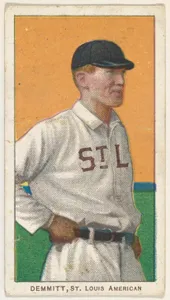
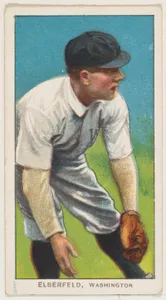
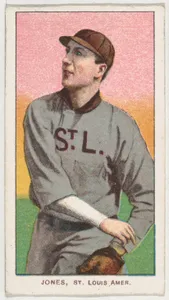
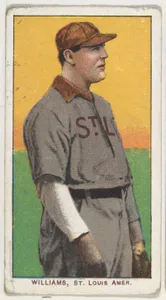
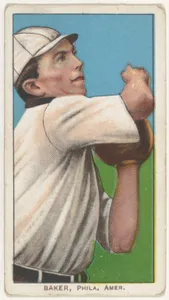
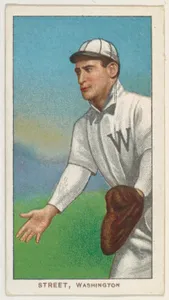
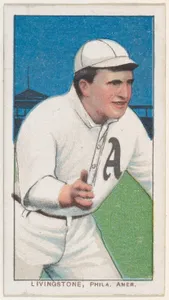
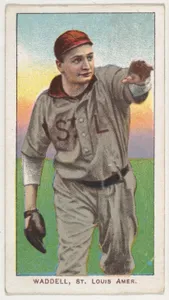
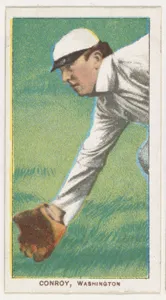
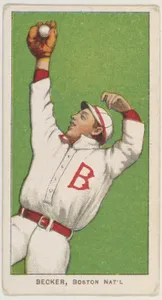
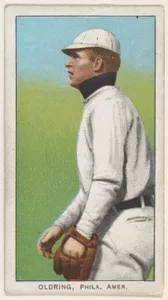
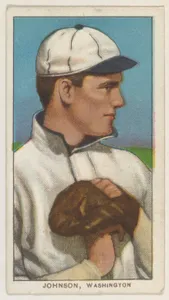
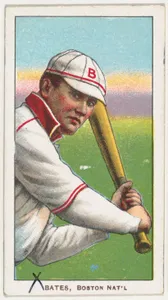
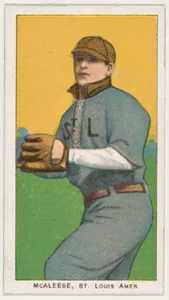
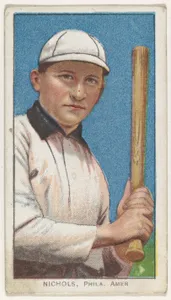
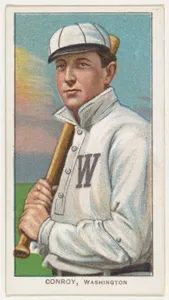
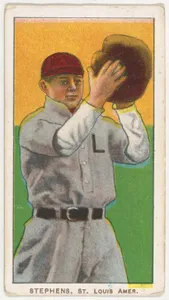
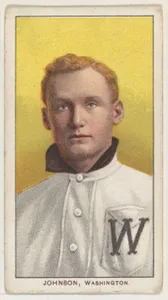
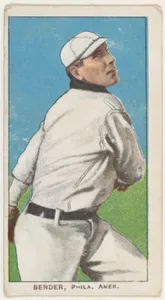
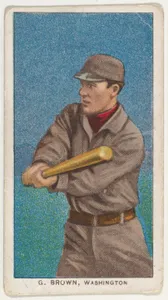
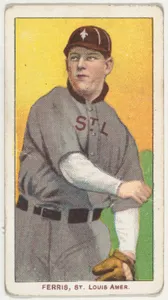
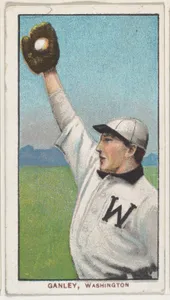
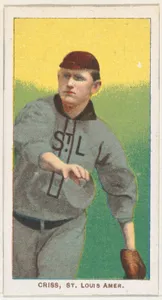
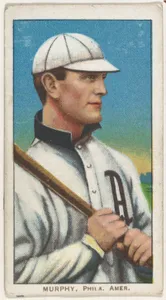
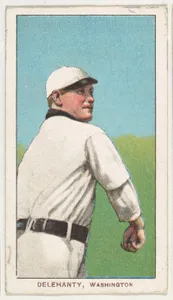
The American Tobacco Company worked in the commercial lithography tradition, employing multi-stage printing techniques to layer vibrant colors onto cards measuring roughly 1⅜ by 2½ inches. Predecessor firms like Allen & Ginter had laid the groundwork in the 1880s with series on actresses, boxers, and exotics, but ATC scaled this to unprecedented volumes. Major works included the T59 "Flags of All Nations" (1909–1911, four sets of 50 cards each), T25 "Between the Acts" actors series (1911–1912), and T207 "Brown Background" baseball cards (1912). The crowning achievement was the T206 "White Border" series (1909–1911), a monumental 524-card set of Major League Baseball players, featuring legends like Honus Wagner in rare subsets printed at Factory 25. Additional themes spanned World War I scenes (T121), film stars, and bridge games, blending portraiture, heraldry, and Americana in accessible formats.
In 1911, the U.S. Supreme Court dissolved the "Tobacco Trust" in antitrust proceedings, splintering ATC into competitors like R.J. Reynolds and Liggett & Myers, yet its card legacy endured. Housed in collections like the Metropolitan Museum of Art's Jefferson R. Burdick holdings, these 95 artifacts in our virtual museum exemplify early 20th-century graphic design's fusion of commerce and culture. Later iterations commissioned modern artists such as Thomas Hart Benton and Doris Lee for Lucky Strike campaigns, but the insert cards remain iconic precursors to trading cards, sports memorabilia, and promotional ephemera, illustrating how industrial might birthed enduring visual treasures.