Ctrl K
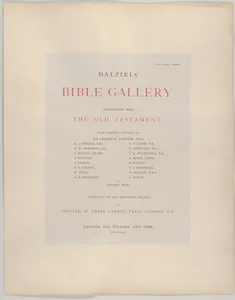
The Dalziel Brothers, also known as the Brothers Dalziel, formed one of the most influential wood-engraving firms of Victorian Britain. Founded in London in 1839 by George Dalziel (1815–1902), the business soon expanded to include his brothers Edward (1817–1905), John, and Thomas (1823–1906), along with their sister Margaret. George had trained under the wood-engraver Charles Gray, bringing technical expertise that helped establish the firm’s reputation for precision and artistry. Their associated printing operation, Camden Press, opened in 1857 at premises in Camden Town, enabling them to handle engraving, printing, and publishing in-house.
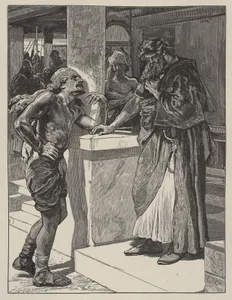
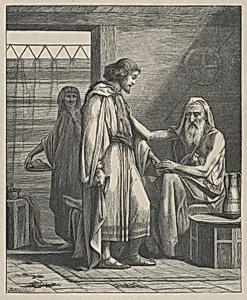
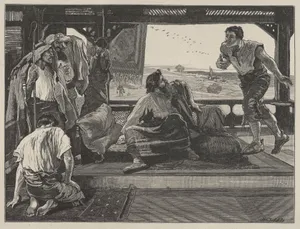
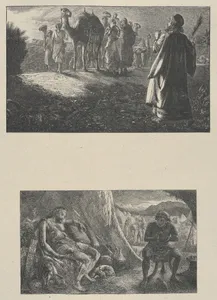
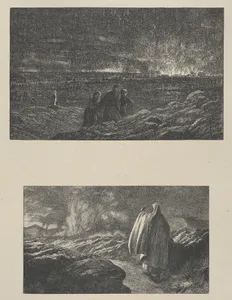
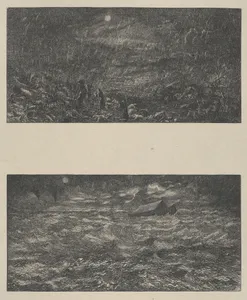
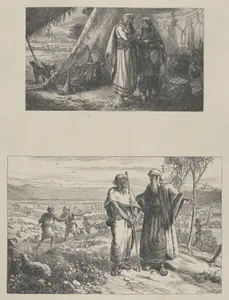
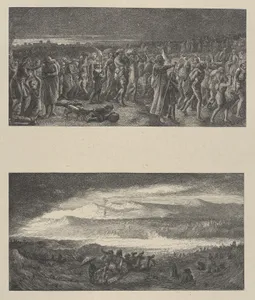
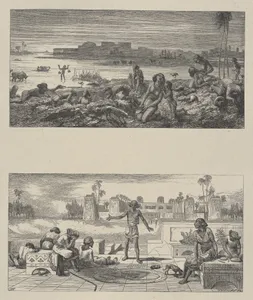
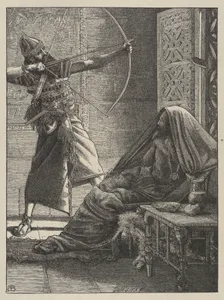
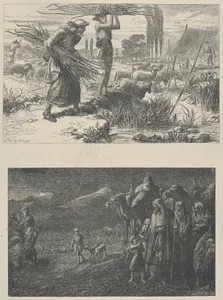
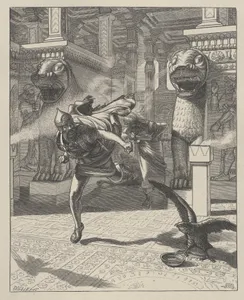
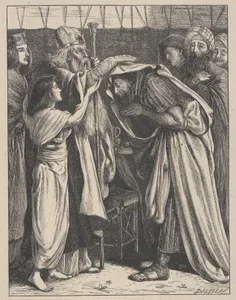
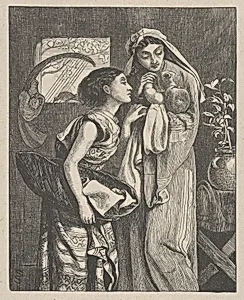
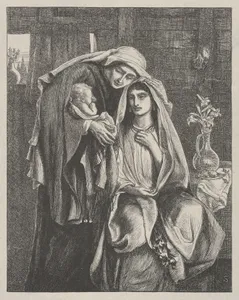
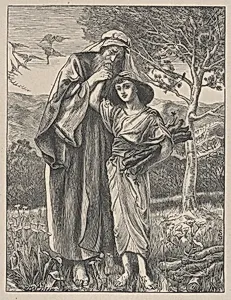
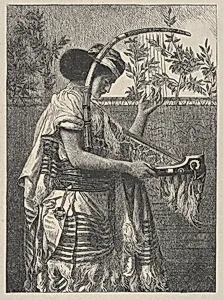
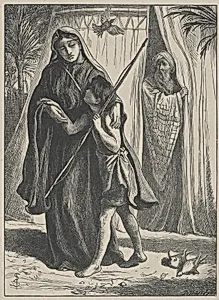
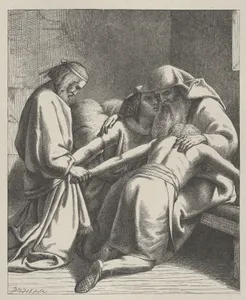
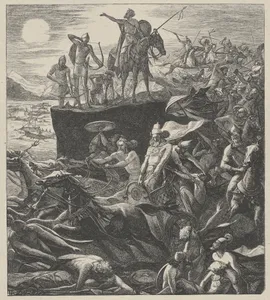
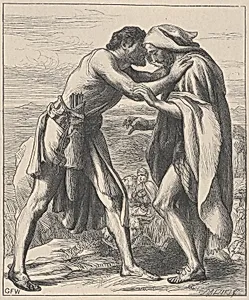
The firm specialized in wood engraving, a dominant reproductive technique of the era that translated drawings into printable blocks for books and periodicals. They collaborated extensively with leading artists of the Pre-Raphaelite circle and the Idyllic School, including Dante Gabriel Rossetti, John Everett Millais, William Holman Hunt, Ford Madox Brown, and Frederic, Lord Leighton. Their output encompassed illustrations for landmark publications such as Lewis Carroll’s *Alice’s Adventures in Wonderland* and *Through the Looking-Glass*, Edward Lear’s *Book of Nonsense*, and the ambitious *Dalziels’ Bible Gallery* (published in the 1880s with Scribner and Welford in New York). These works showcased intricate detail, dramatic lighting, and narrative clarity that elevated illustration to high art.
Beyond commercial success, the Dalziel Brothers shaped the golden age of Victorian book illustration through their entrepreneurial reach and technical mastery. They produced thousands of engravings for magazines like the *Illustrated London News* and *Punch*, as well as children’s books, poetry volumes, and fine-art prints. Their Camden Press imprint allowed greater control over quality and design, fostering projects that bridged fine art and popular culture.
Today their legacy endures in major museum collections worldwide, where their engravings document both artistic innovation and the visual culture of the nineteenth century. The firm’s activity as engravers effectively concluded around 1893, though Camden Press continued operations into the early twentieth century, cementing the Dalziels’ place as pioneers of reproductive printmaking.
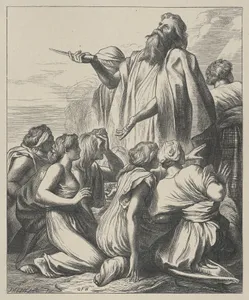
![Moses Destroys the Tables [Tablets], from "Dalziels' Bible Gallery"](https://images.artheonmuseum.org/met/dp/thumb/moses-destroys-the-tables-tablets-from-dalziels-bible-gallery-642908.webp)