
Ctrl K
**Cesare Ripa and Pietro Paulo Tozzi: Icons of Allegory**
Cesare Ripa (c. 1555–1622), born in Perugia to humble origins, moved to Rome at a young age to serve in the household of Cardinal Antonio Maria Salviati, where he worked as majordomo. Immersed in the vibrant intellectual circles of Baroque Rome, Ripa attended the Accademia degli Incitati and the Accademia di San Luca, engaging with scholars like Ignazio Danti and artists such as the Alberti brothers—Giovanni, Alberto, and Cherubino—who drew directly from his ideas for Vatican decorations. Pietro Paulo Tozzi (active 1593–1628), an Italian etcher, engraver, and publisher based in Padua, remains more sparsely documented in his early career, with no records of formal training or mentors identified.
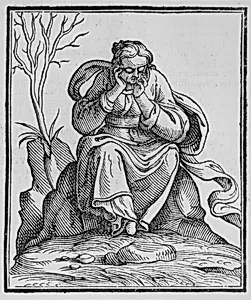
Ripa's seminal contribution to art history was *Iconologia overo Descrittione dell’imagini universali* (1593), an alphabetical compendium of over 700 allegorical personifications—virtues, vices, arts, and sciences—drawn from classical sources like Prudentius, Alciato, and Cartari, prescribing symbolic attributes, poses, and attire for artists. The unillustrated first edition evolved into the profusely illustrated 1603 version with 151 woodcuts. Tozzi elevated this work through his Padua publications, including *Nova Iconologia* (1618) and *Della novissima iconologia* (1624–1625), featuring woodcut emblemata that standardized visual allegory in the Mannerist-to-Baroque transition. Their collaboration blended Ripa's scholarly precision with Tozzi's reproductive print techniques, embodying the emblem book tradition's fusion of text and image.
The duo's legacy endures as a cornerstone of iconographic reference, profoundly shaping 17th-century European art. Ripa's archetypes inspired Rubens, Bernini, Pietro da Cortona, and even Vermeer, while Tozzi's editions disseminated these motifs across workshops via affordable prints. Knighted by Pope Clement VIII in 1598, Ripa bridged antiquity and modernity, his work revived in the 20th century by scholars like Panofsky for decoding Baroque symbolism. Today, their *Iconologia* volumes, with dozens of allegorical figures in museum collections, remain vital for understanding the visual language of emotion, power, and divinity in early modern art.