
Ctrl K
**Samuel Palmer (1805–1881)** was a British landscape painter, etcher, and printmaker renowned for his visionary pastoral scenes and deep engagement with Romanticism. Born in London, he emerged as a central figure in the group known as the Ancients, young artists inspired by the visionary poet and painter William Blake.
Palmer met Blake in his youth and absorbed his mystical approach to nature and spirituality, becoming a leading member of the Ancients after Blake’s death in 1827. The group gathered in the Kent village of Shoreham, where Palmer produced his most celebrated early works—intensely poetic, almost monochromatic watercolors and drawings that transformed rural landscapes into scenes of spiritual ecstasy and abundance, such as *Garden in Shoreham*. These Shoreham-period pieces reflect a profound, pantheistic vision of the English countryside.
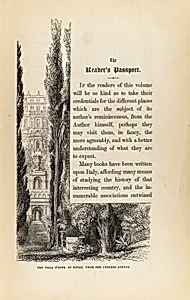
Later in his career, Palmer worked extensively in etching from the 1850s onward and produced illustrations, including a series of five wood-engraved vignettes for Charles Dickens’s *Pictures from Italy* (published by Bradbury & Evans in 1846). His mature output also encompassed dramatic watercolors and etchings, such as *The Lonely Tower* (1879) and illustrations for Milton’s poems. While his later style softened somewhat, it retained echoes of his early intensity.
Palmer’s legacy endured through rediscovery in the 1920s, when his early visionary works influenced modern British Neo-Romantic artists including Paul Nash and Graham Sutherland. Today he is recognized as one of the most distinctive voices in 19th-century British landscape art, celebrated for bridging Romantic idealism with meticulous observation of the natural world.