Ctrl K
**Currier & Ives** was a leading New York City printmaking firm renowned for its affordable, hand-colored lithographs that captured the spirit of 19th-century American life. Founded by Nathaniel Currier in 1835, the business operated under its iconic name from 1857—when James Merritt Ives became a full partner—until its closure in 1907. Currier had trained through apprenticeships in Boston lithography shops and contract work in Philadelphia before establishing his own enterprise, initially focusing on job printing and then shifting to independent publishing of news-related images. Ives, who started as the firm’s bookkeeper, brought organizational skill and an eye for popular taste, helping expand the range of subjects to include political satire, sentimental scenes, and current events.
The firm specialized in bold, accessible lithographs produced on limestone plates, with colors applied by hand in an assembly-line process by skilled colorists. These prints depicted a wide array of Americana—rural and urban scenes, sporting events, disasters, technological progress, and historical moments—sold inexpensively to a broad middle-class audience. Currier & Ives employed or reproduced works by notable artists such as Frances Flora Bond Palmer, Arthur Fitzwilliam Tait, and Louis Maurer, creating thousands of images that served as visual news and decoration before widespread photography.
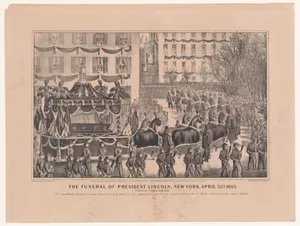
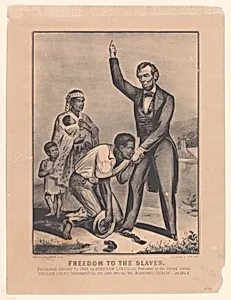
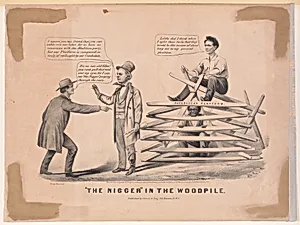
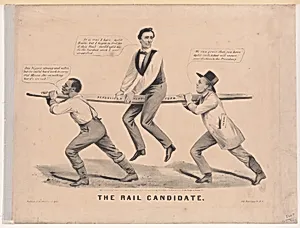
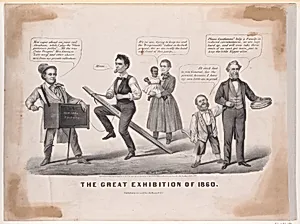
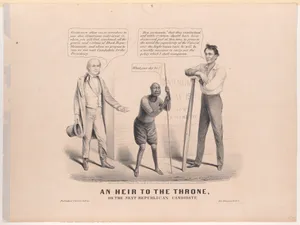
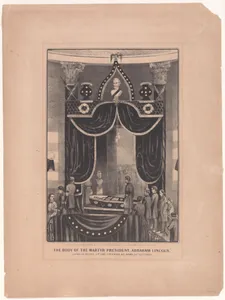
Among their most notable subjects were numerous portraits and scenes featuring Abraham Lincoln, reflecting the firm’s engagement with contemporary politics and national events. Examples include the 1860 campaign print “The Rail Candidate,” showing Lincoln on a symbolic rail, and the 1865 lithograph depicting his assassination at Ford’s Theatre. These works, along with Civil War imagery and other topical pieces, helped document the era for the public.
Currier & Ives left a lasting legacy as “the Grand Central Depot for Cheap and Popular Prints,” with over 7,500 distinct titles produced and more than a million impressions sold through retail, mail order, and agents. Their images became staples in American homes and remain valuable historical records and collector’s items today, preserving a vivid pictorial record of Victorian-era tastes, events, and culture. The firm’s output, including its Lincoln-related prints, continues to be celebrated for democratizing art and chronicling a transformative period in U.S. history.