
Ctrl K
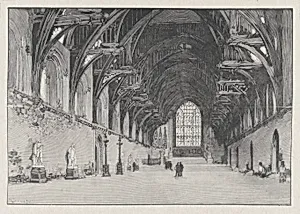
**Auguste-Louis Lepère (1849–1918)** was a French painter, etcher, and printmaker who played a pivotal role in reviving wood engraving as a fine art medium in late nineteenth-century France. Born in Paris on November 30, 1849, he began his career young as an illustrator and engraver for popular magazines and publications. He worked extensively in wood engraving, etching, and lithography, often depicting scenes of everyday Parisian life with remarkable detail and atmospheric sensitivity.
Lepère led the creative revival of wood engraving, elevating the technique beyond mere reproduction to original artistic expression. He collaborated closely with skilled engravers including the Swiss-born Frédéric Florian (who worked for him), Tony Beltrand, and Eugène Dété. These partnerships produced refined prints that captured urban and rural subjects with precision and nuance. His training was practical rather than academic; he honed his skills through commercial illustration before turning to fine art.
Among his notable contributions are numerous wood engravings of Paris streets, rooftops, and daily scenes, as well as works exploring the French countryside after he moved to Domme later in life. Lepère also painted in watercolor and oil, though his legacy rests primarily on his innovative printmaking. He died in Domme on November 20, 1918.
Lepère’s influence extended through his technical mastery and encouragement of the medium’s artistic potential, inspiring a generation of printmakers. His works are held in major collections, including the Metropolitan Museum of Art and the National Gallery of Art, where they continue to exemplify the bridge between illustration and fine art at the turn of the twentieth century.
No artworks found for this artist