Ctrl K
1757–1827
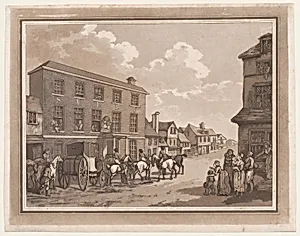
Henry Wigstead (c. 1745–1800) was a multifaceted figure in late Georgian London: magistrate, publisher, businessman, and amateur artist whose caricatural drawings captured the era's social vignettes. Working in close collaboration with the celebrated caricaturist Thomas Rowlandson (1756–1827), Wigstead accompanied him on sketching expeditions to the Isle of Wight in 1784, Wales in 1787, and Brighton in 1789. These trips yielded illustrated travel books published by G.G.J. & J. Robinson, a prominent London firm specializing in such volumes. Wigstead's text and Rowlandson's vivid illustrations, often engraved in sepia aquatint by Samuel Alken (1756–1815), exemplified the satirical, observational style of British caricature during the 1780s and early 1800s. He exhibited at the Royal Academy in 1785, and Rowlandson frequently etched and signed prints after Wigstead's works, blurring the lines between their oeuvres in a shared topographic and humorous vein.
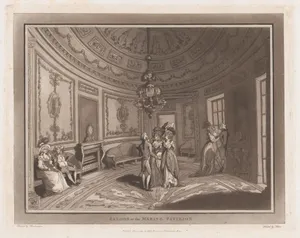
A key publication from their partnership was *An Excursion to Brighthelmstone, Made in the Year 1789* (1790), issued by G.G.J. & J. Robinson. This oblong folio featured eight aquatint plates by Alken after Rowlandson's designs, depicting the lively scenes of Brighton (then Brighthelmstone) under the Prince of Wales's patronage. Wigstead's narrative complemented the images, poking fun at seaside society, fashion, and entertainments. Beyond art, Wigstead ran a thriving interior decorating business; in 1788, he was appointed "House Painter to His Royal Highness the Prince of Wales," contributing to renovations at the Royal Pavilion in Brighton. This royal connection underscored his social prominence and integrated his commercial acumen with artistic pursuits.
Wigstead's legacy endures through these collaborative prints and books, which preserve the witty, unpolished charm of late 18th-century British leisure culture. Dying in Margate in 1800, he left a modest but influential body of work that amplified Rowlandson's fame while highlighting Alken's technical prowess in aquatint. Published by Robinson's firm, these volumes—part of a broader output including excursions to other locales—bridged amateur enthusiasm with professional engraving, influencing later topographic satire and offering invaluable glimpses into Regency England's vibrant underbelly. Today, they are prized in collections like the British Library and Christie's auctions, celebrating a nexus of friendship, patronage, and printmaking innovation.