Ctrl K
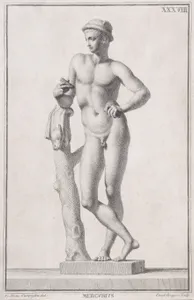
**Giovanni Domenico Campiglia (1692–1775) and Carlo Gregori (1702–1759)** were Italian artists from Lucca whose collaboration produced some of the most admired reproductive engravings of the eighteenth century, documenting classical antiquities and Renaissance masterpieces for an international audience.
Campiglia trained in Florence under the painter Tommaso Redi and the quadraturist Lorenzo del Moro, whose lessons in architectural perspective proved invaluable for his later work as a draftsman of sculpture. He also spent time in Bologna, associating with the circle of Giovanni Gioseffo dal Sole, and executed paintings such as an altarpiece for the church of San Giovannino degli Scolopi. Gregori, likewise from Lucca, began his engraving studies in Florence with Domenico Tempesti before traveling to Rome, where he became a pupil of Johann Jakob Frey and Agostino Masucci. Both men worked in the Rococo idiom, excelling in precise, elegant line work suited to reproductive prints.
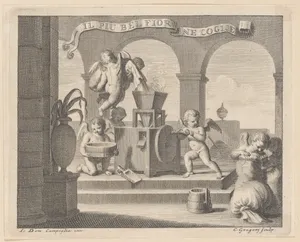
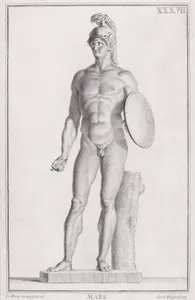
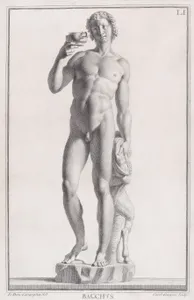
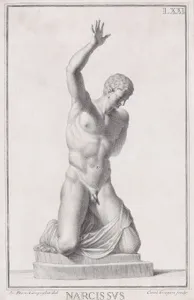
Their most significant partnership centered on large-scale illustrated publications. Campiglia supplied drawings of ancient statues from Roman collections and Florentine holdings; Gregori translated many of these into copperplate engravings for Anton Francesco Gori’s *Museum Florentinum* (begun 1731) and Giovanni Gaetano Bottari’s *Museo Capitolino*. Gregori also engraved Campiglia’s designs for series of artist portraits and reproductive prints after Titian, Rubens, and Correggio. These volumes became essential souvenirs for Grand Tour travelers, especially British collectors, and helped disseminate knowledge of classical sculpture across Europe.
Campiglia’s self-portrait hangs in the Uffizi corridor, while Gregori’s sons Ferdinando and Antonio continued the family engraving tradition. Together the two Lucchesi artists elevated the status of reproductive engraving, bridging painting, sculpture, and printmaking in the service of antiquarian scholarship and artistic education. Their prints remain prized for both their documentary value and their refined Rococo sensibility.