Ctrl K
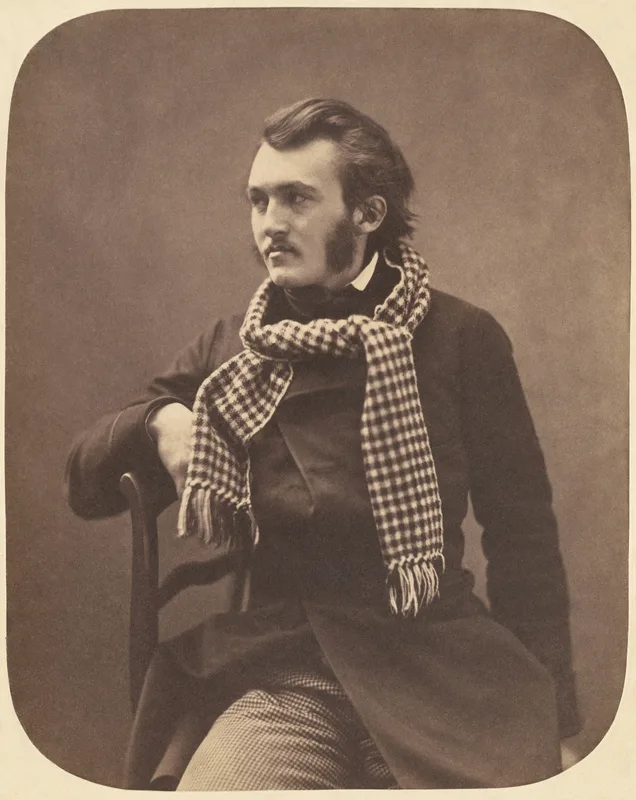
1832–1883
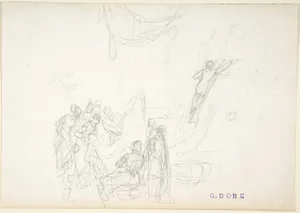
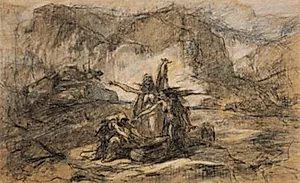
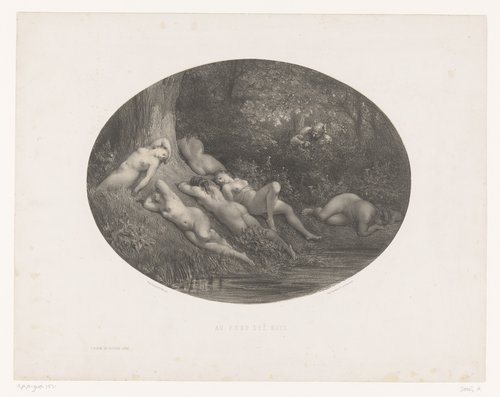
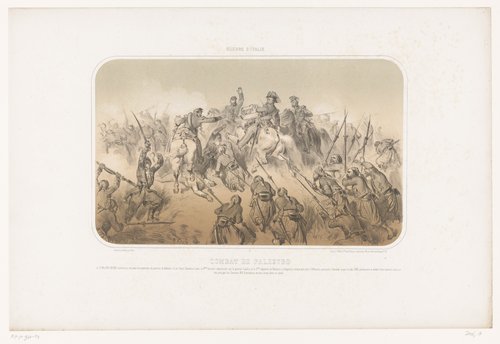
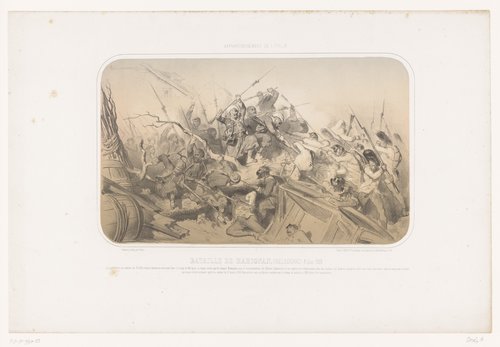
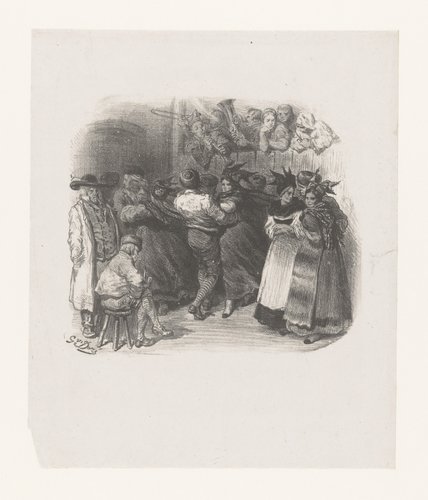
Gustave Doré (1832–1883) was a French artist who became the most celebrated and prolific illustrator of the nineteenth century, creating iconic visual interpretations of world literature that remain definitive to this day. Born in Strasbourg, he showed extraordinary precocious talent, publishing his first lithographs at age fifteen and securing a contract with a Paris publisher while still a teenager.
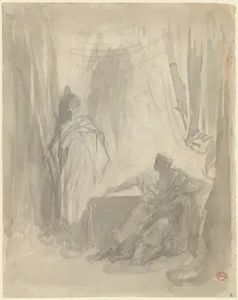
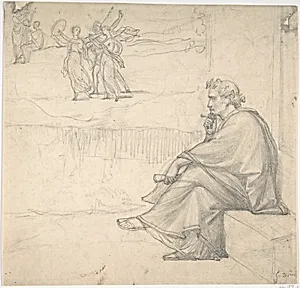
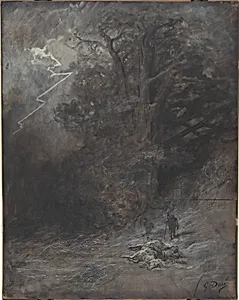
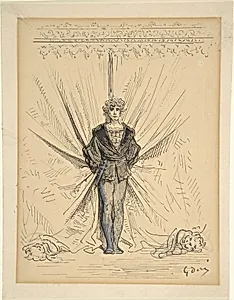
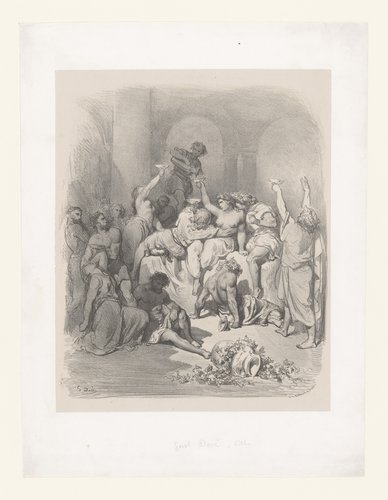
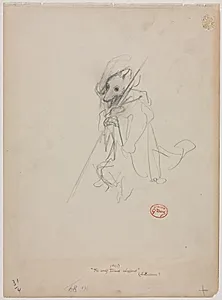
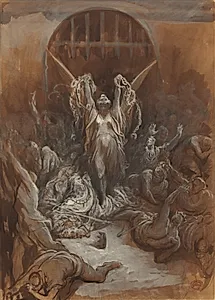
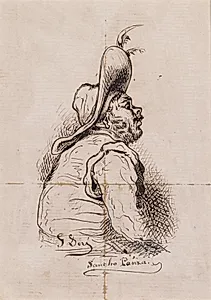
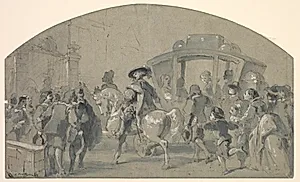
Doré's illustrations transformed the art of the book. His wood-engraved plates for Dante's Inferno (1861), Cervantes' Don Quixote (1863), the Bible (1866), Milton's Paradise Lost (1866), and La Fontaine's Fables (1867) established visual interpretations so powerful that they have shaped readers' mental images of these texts ever since. His illustrations combine visionary imagination, dramatic chiaroscuro, and an extraordinary capacity for rendering vast, atmospheric spaces — from the frozen circles of Hell to the windmills of La Mancha.
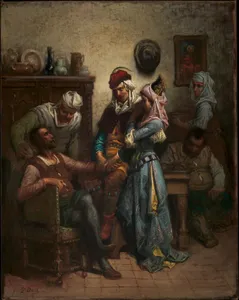
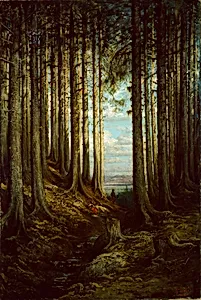
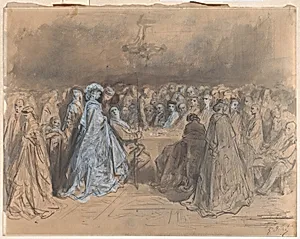
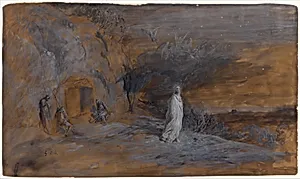
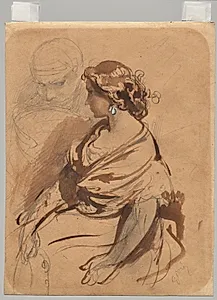
Beyond illustration, Doré was an ambitious painter, sculptor, and watercolorist. His enormous oil paintings of biblical and historical subjects were exhibited to great popular success in dedicated galleries in London and New York. His paintings of London's East End slums, published as "London: A Pilgrimage" (1872), provided a powerful visual record of Victorian urban poverty.
Doré's influence on visual culture has been immense, extending from fine art illustration through early cinema, fantasy art, and graphic novels. His work is held by the Musée d'Art Moderne et Contemporain de Strasbourg, the Victoria and Albert Museum, the Bibliothèque nationale de France, and the Art Institute of Chicago.