Ctrl K
1699–1773
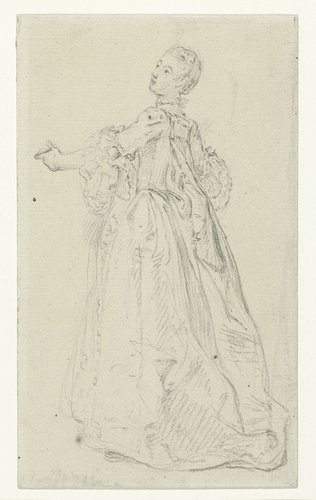
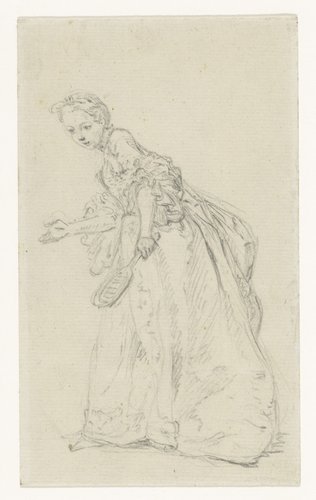
Hubert-François Bourguignon, known as Gravelot (1699–1773), was a leading French Rococo engraver, illustrator, and designer whose elegant draftsmanship bridged the artistic worlds of France and England. Born in Paris to a tailor, he adopted his pseudonym from a godfather and grew up alongside his elder brother, the geographer Jean-Baptiste Bourguignon d'Anville. After neglecting studies at the Collège des Quatre Nations for drawing, Gravelot trained under painters Jean II Restout and François Boucher, absorbing the graceful, playful Rococo idiom of curves, asymmetry, and lighthearted ornamentation. Early misadventures, including failed ventures in Rome and Santo Domingo, honed his resilience before he turned fully to art.
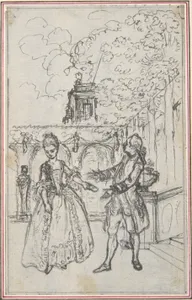
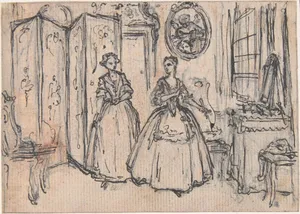
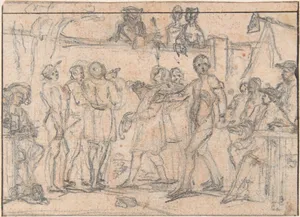
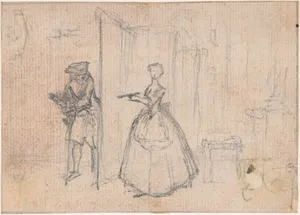
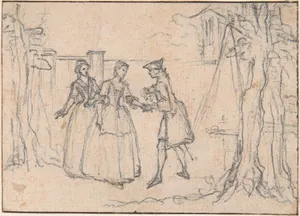
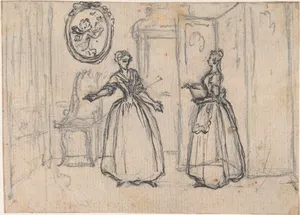
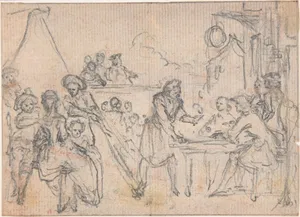
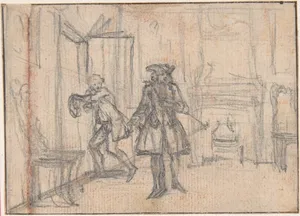
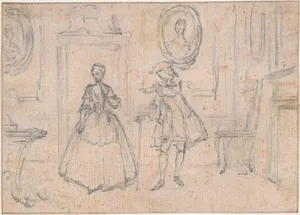
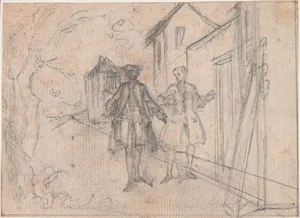
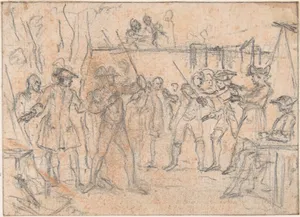
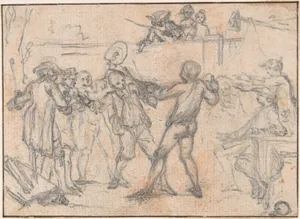
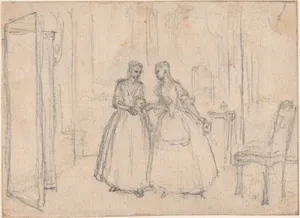
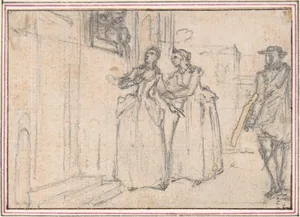
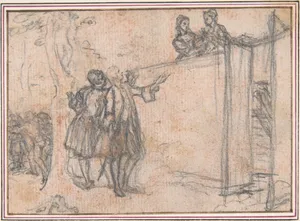
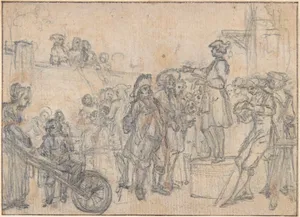
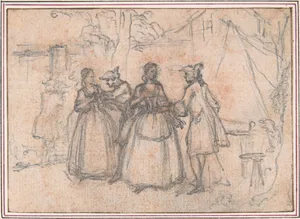
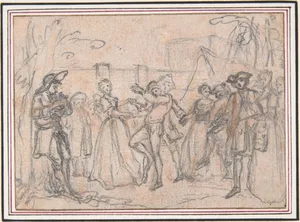
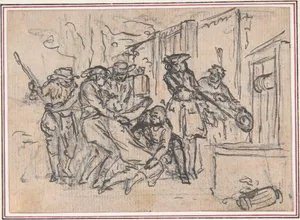
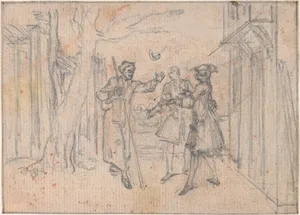
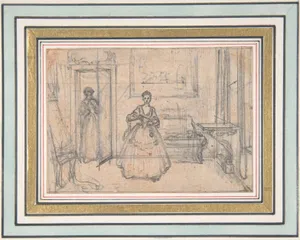
In 1733, Gravelot arrived in London at the invitation of engraver Claude du Bosc, staying productively until 1745 amid a circle that included William Hogarth and Francis Hayman at Slaughter's Coffee House and the St. Martin's Lane Academy, a precursor to the Royal Academy. There, he taught drawing, counting Thomas Gainsborough among his pupils, and introduced French Rococo elegance to British design through book illustrations, etched ornaments, and luxury goods like goldsmith work and cartouches. His vignettes for John Gay's *Fables* (1738), Lewis Theobald's *Works of Shakespeare* (1740, with 35 frontispieces), and Samuel Richardson's *Pamela* (1742, with Hayman) captured contemporary manners with witty precision, revitalizing English engraving.
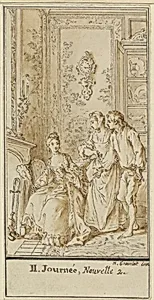
Returning to Paris amid wartime tensions, Gravelot continued illustrating classics, including *Tom Jones* (1750), Prévost's *Manon Lescaut* (1753), Boccaccio's *Decameron* (1757), Rousseau's *La Nouvelle Héloïse* (1761), Marmontel's *Contes moraux* (1765), Ovid's *Metamorphoses* (1767–71), and Tasso's *Gerusalemme Liberata* (1771). His fluid lines and inventive compositions influenced engravers like Thomas Major, whom he mentored, and extended to English cabinet-makers such as Thomas Chippendale and Chelsea porcelain designers.
Gravelot's legacy endures in the Rococo infusion he brought to Anglo-French art, elevating book illustration to fine art and shaping 18th-century taste in ornament and fashion plates. His works, praised for their "easy and elegant handling," remain touchstones in collections like the Victoria and Albert Museum and Metropolitan Museum of Art.