
Ctrl K
1824–1906
**Harrison William Weir (1824–1906)** was a leading British animal artist, illustrator, and naturalist whose work helped define Victorian-era depictions of wildlife and domestic animals. Born in Lewes, Sussex, he trained as an apprentice to the pioneering colour printer George Baxter, mastering wood engraving, drawing, and printing techniques across all aspects of the business. He later contributed extensively to *The Illustrated London News* from its earliest issues, honing his skills as a draughtsman and engraver while developing a distinctive style rooted in close observation of nature.
Weir worked primarily in the tradition of detailed wood-engraved illustration, specialising in birds, mammals, and other subjects drawn directly from life. His precise yet lively renderings appeared in books, periodicals, and prints, blending scientific accuracy with artistic charm. He is especially remembered for his cat illustrations and for organising the first major cat show at the Crystal Palace in 1871, later founding the National Cat Club. His brother John Jenner Weir often collaborated with him on natural history projects.
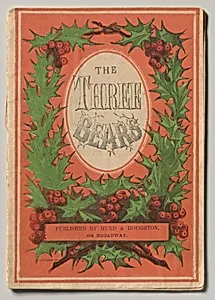
Contemporary wood-engraver and draughtsman Walter George Mason (1820–1866), born in Holloway, Middlesex, shared a similar professional path. Mason also contributed to *The Illustrated London News* and worked as a wood engraver before emigrating to Australia, where he died in Sydney. Publisher Hurd and Houghton (active from 1864 in New York, later evolving into Houghton Mifflin) issued many illustrated volumes featuring work by artists of this calibre during the mid-to-late nineteenth century.
Weir’s legacy endures through his influential animal illustrations and his foundational role in the cat fancy movement; his home Weirleigh later became the birthplace of poet Siegfried Sassoon. Together with engravers like Mason, these artists supplied the visual richness of Victorian publishing, leaving a lasting impact on how animals were portrayed in popular media. Early details for some associated figures remain limited in available records.