Ctrl K
1690–1743
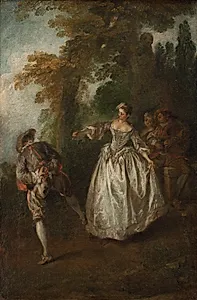
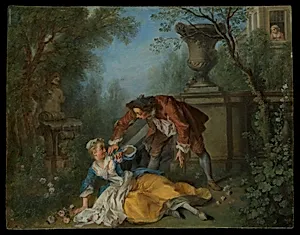
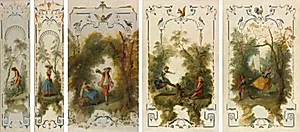
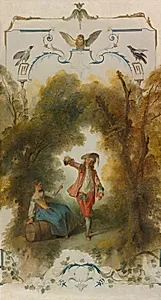
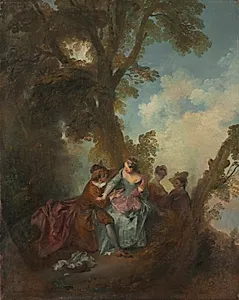
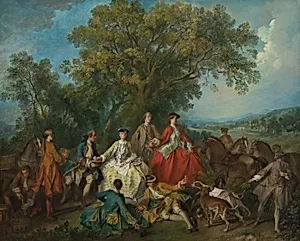
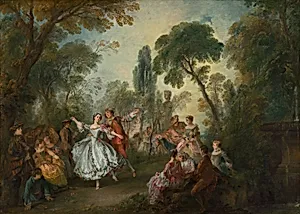
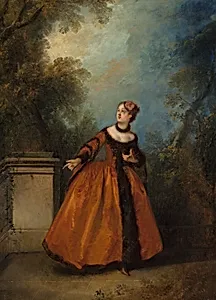
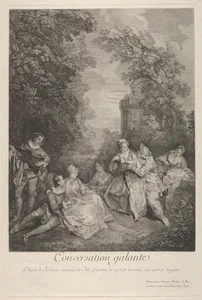
Nicolas Lancret (1690–1743) was a leading French painter of the Rococo era, celebrated for his elegant fêtes galantes — intimate scenes of fashionable figures at leisure in idyllic garden settings — that placed him among the most admired artists working in Paris in the first half of the eighteenth century. Born in Paris, he trained initially under the history painter Pierre d'Ulin before entering the studio of Claude Gillot, who was also the early master of Antoine Watteau. This shared formation under Gillot gave Lancret a deep familiarity with the theatrical, light-hearted subjects and atmospheric handling that would characterize the fête galante as a genre.
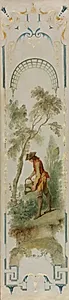
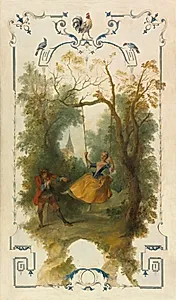
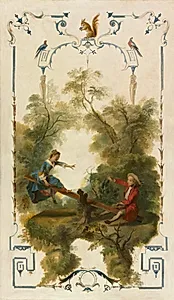
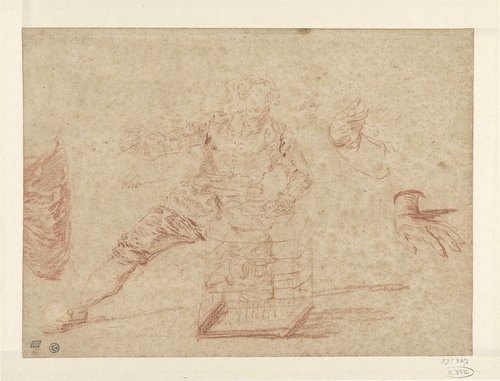
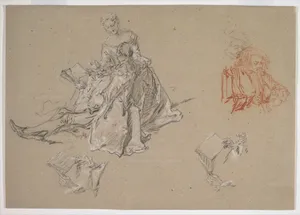
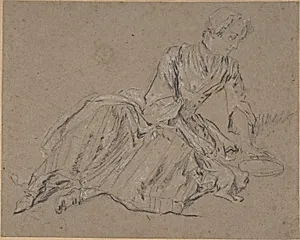
Lancret's relationship with Watteau was both generative and professionally complicated. He was so closely associated with Watteau's manner early in his career that the Académie Royale initially hesitated over his reception, ultimately admitting him in 1719 as a painter of fêtes galantes — the same category in which Watteau had been received the year before. While Lancret's work clearly shared the mood of graceful reverie that defined Watteau's achievement, his pictures have a somewhat lighter, more decorative character, favoring clarity of composition and the pleasures of fine costume and social grace over Watteau's more wistful, melancholy undercurrents.
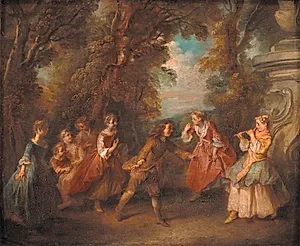
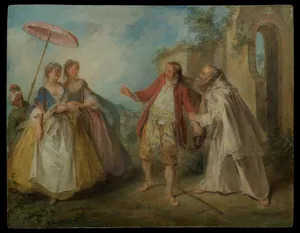
Among Lancret's most admired works are his series depicting the Seasons and the Ages of Man, as well as paintings illustrating fables and theatrical subjects. He was a favorite of the French court and received commissions from Louis XV, producing works for royal residences and earning considerable prestige during his lifetime. His paintings were also eagerly collected by aristocratic patrons across Europe.
Lancret's legacy has been shaped by his proximity to the towering reputation of Watteau, whose shadow sometimes obscured his own considerable achievements. In recent decades, however, art historians have given fuller recognition to his distinctive contribution to Rococo painting, acknowledging the sophistication and sustained quality of a body of work that beautifully captured the pleasures and elegance of eighteenth-century French aristocratic life.