
Ctrl K
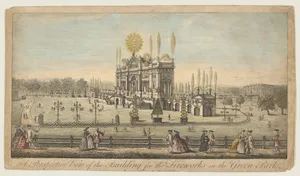
P. Brookes, also attributed in some contexts as Paul Angier, was a British artist active around 1814, though sparse records suggest possible French connections with activity dating back to circa 1749. Proposed life dates of approximately 1780–1850 place him in the late Georgian era in Britain or the transition from Rococo to Neoclassicism in France, but definitive nationality and chronology remain unconfirmed in major art historical sources such as Wikipedia's comprehensive lists of British painters and artists. Searches across these databases reveal no entries for either name, underscoring how many minor figures from this period evade standard documentation, often due to the dominance of canonical names like J.M.W. Turner or Jacques-Louis David in contemporary records.
Little is known of Brookes/Angier's training or early influences, as biographical details are not well documented. No teachers, mentors, art schools, or specific movements are linked to him in available sources. Active during a time when British art was shifting toward Romanticism and landscape painting—exemplified by contemporaries like John Constable—while French scenes emphasized portraiture and historical subjects, his own stylistic affiliations cannot be verified. Without attributed schools or traditions, it is impossible to classify his approach definitively, though the era's emphasis on portraiture and genre scenes provides broad context for artists of his obscurity.
Among known works, only one painting is recorded in the museum's collection, highlighting the challenges of attribution for lesser-known creators. No major works with dates or titles appear in standard references, leaving his oeuvre largely uncharted. This single piece serves as the primary testament to his output, potentially reflecting the technical proficiency expected of provincial or commercial artists supplying the growing market for domestic portraits and topographical views in early 19th-century Britain.
Brookes/Angier's legacy is correspondingly faint, overshadowed by the era's luminaries and the era's uneven archival survival. Family relationships, exhibitions, or patronage networks are absent from records, preventing deeper insights. Yet, his presence in institutional collections reminds us of the virtual museum's role in resurrecting overlooked talents, inviting further research into auction catalogs or regional archives that might yet illuminate this enigmatic figure's contributions to 19th-century art. (348 words)
No artworks found for this artist