Ctrl K
1648–1691
**Pieter Verbrugghen the Younger** (also known as Pieter Verbruggen II; 1648–1691) was a Flemish sculptor, draughtsman, etcher, and stone merchant active primarily in Antwerp. He belonged to a prominent artistic family and contributed to the Flemish High Baroque tradition through designs for religious architecture and tombs.
Born in Antwerp in 1648, he was the son of the leading sculptor Pieter Verbrugghen I and Cornelia Quellinus, daughter of the sculptor Erasmus Quellinus I. He likely received his training from his father and was admitted as a “wijnmeester” (master’s son) to the Antwerp Guild of Saint Luke in the guild year 1660–1661, when his father served as deacon. He continued working in his father’s workshop before traveling to Rome in 1674 alongside the painter Abraham Genoels. There he joined the Bentvueghels artists’ association under the nickname “Ballon,” made drawings after Gian Lorenzo Bernini and antique sculptures, and returned to Antwerp in 1677. He later served as dean of the Guild in 1691, married Maria Isabella Heck in 1688, and died in Antwerp on 12 October 1691, buried in St. Andrew’s Church. Joannes Boecksent was among his pupils.
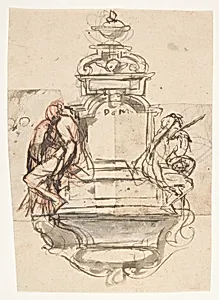
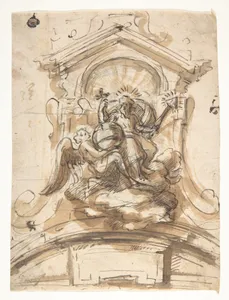
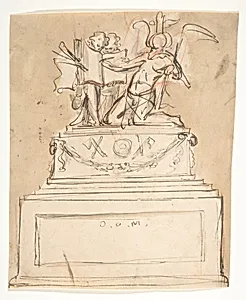
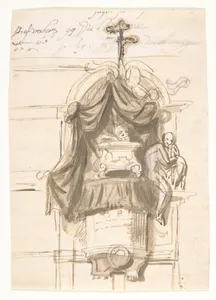
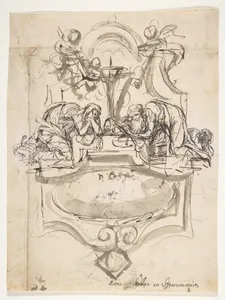
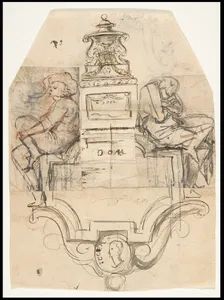
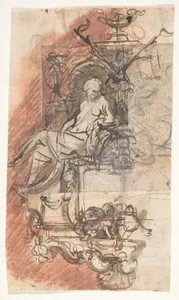
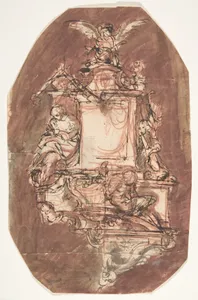
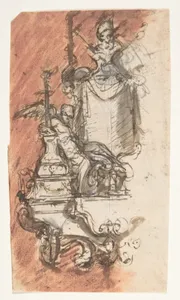
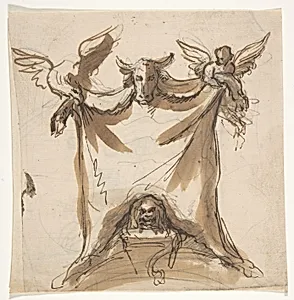
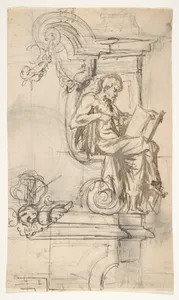
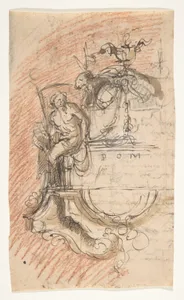
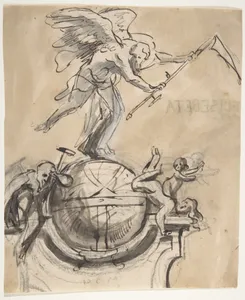
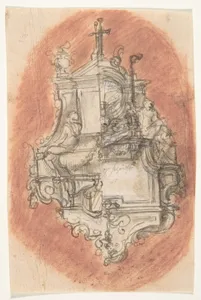
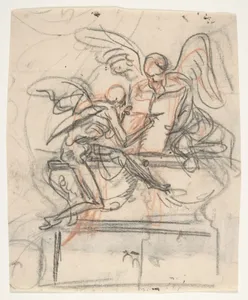
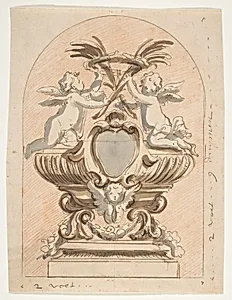
Verbrugghen specialized in designs for tombs, altars, and other religious structures, often collaborating with his father. A notable example is the design for the high altar of Antwerp’s St. Paul’s Church, executed jointly in 1670. His drawings, including tomb designs formerly attributed to an anonymous 17th-century Flemish artist (and occasionally linked to names such as Michiel van der Voort), reflect the dramatic, ornate style of the Flemish High Baroque. Though a skilled craftsman and etcher rather than a highly original innovator, his output includes numerous architectural and sculptural designs preserved in museum collections.
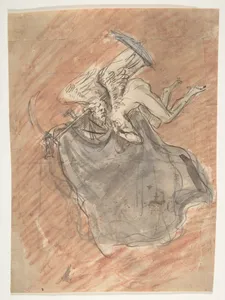
His legacy endures through these detailed preparatory works, which document the collaborative practices and Baroque exuberance of late-17th-century Antwerp sculpture. With seventeen known artworks in the collection, Verbrugghen’s drawings continue to illuminate the networks of Flemish artists who trained in Rome and brought international influences back to the Low Countries.
All 17 artworks loaded