Ctrl K
**Abu'l-Qasim Firdausi (also known as Ferdowsi), the renowned Persian poet, lived from around 940 to 1020/1025 in Tus, in the northeastern Iranian province of Khorasan.**
Early life details remain sparse in historical records, though he belonged to a family of dehqans, or landed gentry, and drew upon extensive knowledge of pre-Islamic Persian texts and traditions. He devoted approximately thirty years to composing his masterpiece, the *Shahnameh* (Book of Kings), an epic poem of some 50,000 couplets that recounts the mythical and historical kings of Iran from creation to the Arab conquest.
Firdausi worked in the classical Persian poetic tradition, transforming earlier prose compilations of legends—such as the Sasanian *Khwaday-namag*—into a unified verse epic that preserved the Persian language and cultural identity during a period of Arab influence. He presented the completed work to Sultan Mahmud of Ghazni, though accounts of the reception vary, with legends describing both patronage and disappointment.
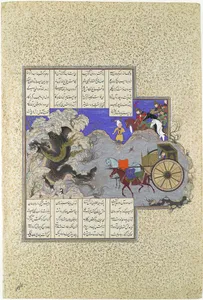
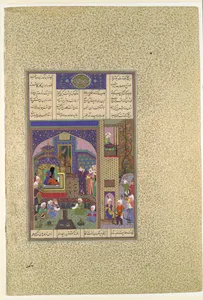
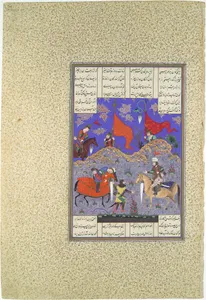
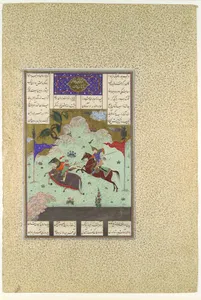
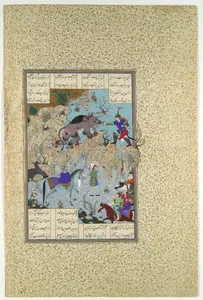
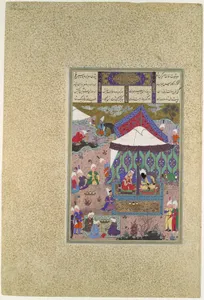
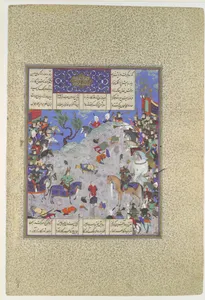
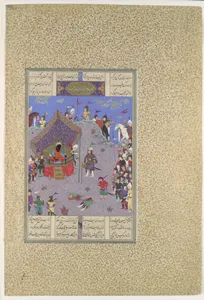
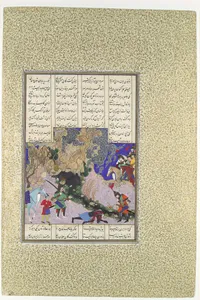
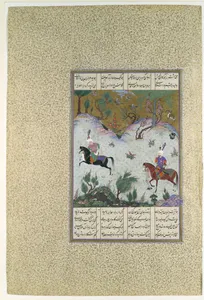
His sole major work, the *Shahnameh*, stands as one of the longest epic poems by a single author and the national epic of Persian-speaking peoples. It has inspired countless illuminated manuscripts, including celebrated 16th-century editions such as the Shah Tahmasp Shahnama, whose illustrations were contributed by artists like Qasim ibn 'Ali.
Firdausi’s legacy endures as the preserver of Persian literary heritage and a symbol of cultural resilience; his tomb in Tus remains a site of national reverence, and his verses continue to shape Iranian identity and literature.