Ctrl K
1571–1625
Renold Elstracke (c. 1570–after 1625), one of England's earliest native-born engravers, emerged as a pivotal figure in the late Elizabethan and Jacobean art world. Born to Josephe Elstrage, a migrant from "Lukeland" in the province of Liège (modern-day Belgium) who settled in England in 1551, Elstracke likely honed his craft under the tutelage of Crispin van de Passe the elder in Cologne before arriving in England alongside the van de Passe family. His debut came in 1598 with five meticulously detailed maps for the English translation of Jan Huyghen van Linschoten's *Voyages into ye Easte and West Indies*, showcasing his skill in capturing exotic landscapes and nautical scenes.
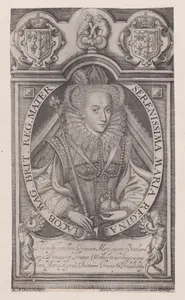
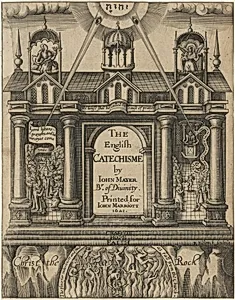
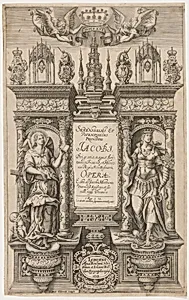
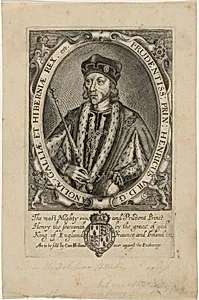
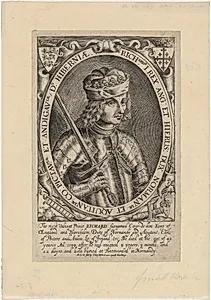
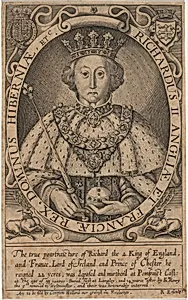
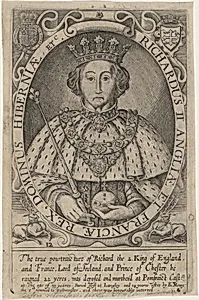
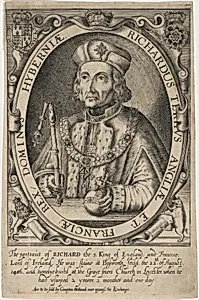
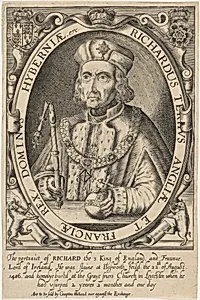
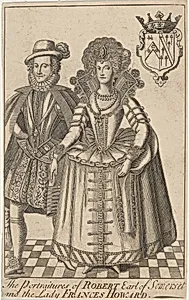
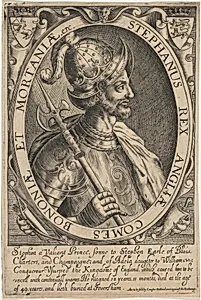
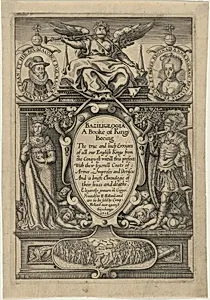
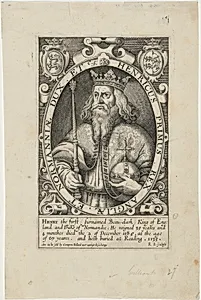
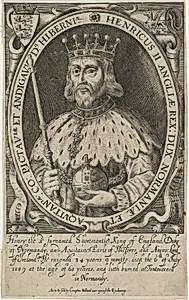
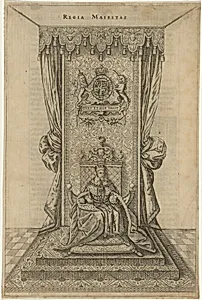
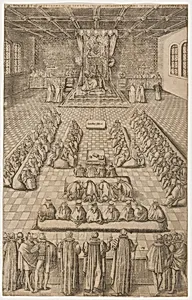
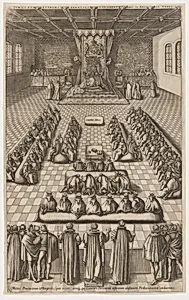
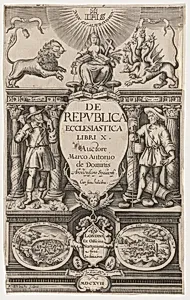
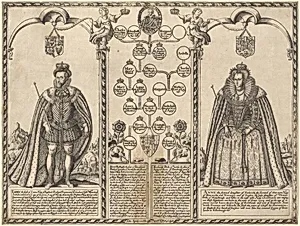
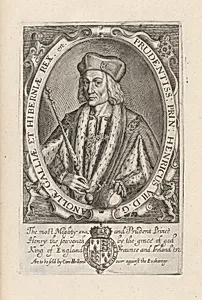
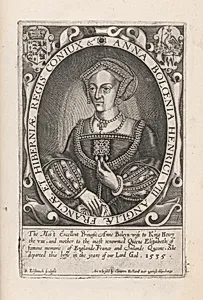
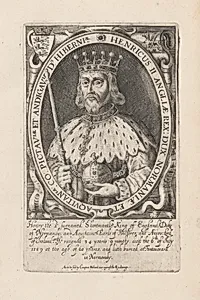
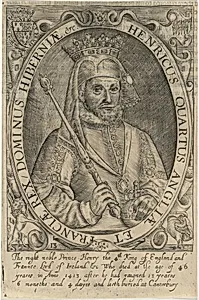
Elstracke's style, rooted in the intricate line work of Northern European engraving traditions, specialized in portraits and frontispieces that blended historical accuracy with dramatic flair. He worked extensively for publishers like Compton Holland, John Sudbury, and George Humble, producing compositions that often derived from his own inventions rather than existing paintings. His crowning achievement was the 1618 series *Baziliωlogia: A Booke of Kings*, featuring thirty-two copper engravings of English monarchs from William the Conqueror to James I, complete with coats of arms, imprese, and a title page depicting James I and Anne of Denmark. Other standout works include the rare 1603 double whole-length portrait of Mary Queen of Scots and Henry Stuart, Lord Darnley; portraits of luminaries like Sir Thomas More, Robert Devereux, Earl of Essex, and Robert Carr, Earl of Somerset with his wife; and frontispieces such as James I in Parliament (1624). By the 1620s, however, his robust, somewhat outdated manner yielded to fresher styles imported by engravers like Simon de Passe and Francis Delaram.
Elstracke's legacy endures through the enduring reuse of his plates in later publications like *Florus Anglicus* and William Martyn's *Historie of the Kings of England*, attesting to their popularity. In the 19th century, collectors prized rarities such as the Mary Queen of Scots engraving, with the British Museum acquiring one for £150 in 1884. As the foremost English engraver of his era, Elstracke bridged continental techniques with native innovation, immortalizing Tudor-Stuart royalty and nobility in enduring copperplate imagery that remains a cornerstone of British printmaking history.