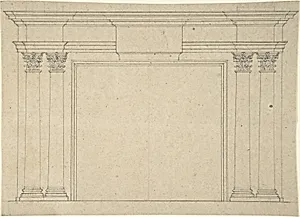
1723–1796
### Sir William Chambers (1723–1796)
Born on 23 February 1723 in Gothenburg, Sweden, to parents of Scottish descent—his father a merchant—Sir William Chambers embarked on an extraordinary path that bridged continents and cultures. At just 16, after initial education in England, he joined the Swedish East India Company, undertaking three voyages to China in the 1740s. These journeys profoundly shaped his aesthetic sensibilities; he meticulously studied Chinese architecture and decoration, sketching pagodas and gardens that would later influence British design. Returning to Europe, Chambers honed his skills in Paris and Italy, immersing himself in classical traditions before settling in London in 1755, where he established himself as a pioneering architect blending Eastern exoticism with Western neoclassicism.
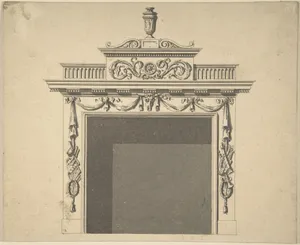
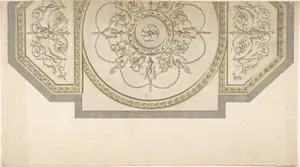
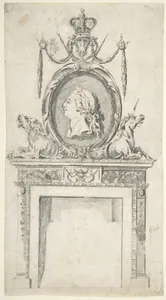
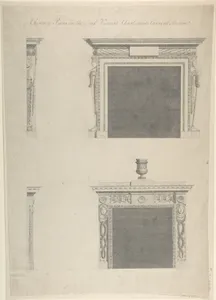
Chambers swiftly ascended in British artistic circles, becoming architectural tutor to the Prince of Wales (later George III) and Surveyor-General of the King's Works. A driving force behind the Royal Academy of Arts' founding in 1768, he served as its first Treasurer and Professor of Architecture, even designing its grand new home at Somerset House on the Strand—a neoclassical masterpiece begun in 1776 that symbolized Enlightenment ideals of art and learning. His portfolio brimmed with royal commissions, including the whimsical 163-foot Pagoda at Kew Gardens (1761), inspired by his Chinese travels, and the opulent State Coach for George III. Chambers championed a robust, mannerist neoclassicism over the prevailing Palladianism, advocating for bolder ornamentation in his influential 1759 treatise *Dissertation on Oriental Gardening* and 1763's *Treatise on Civil Architecture*, which featured engravings of his designs.
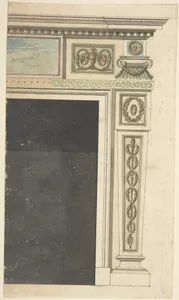
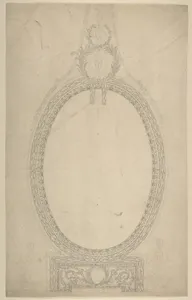
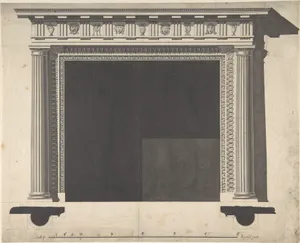
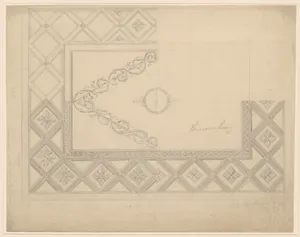
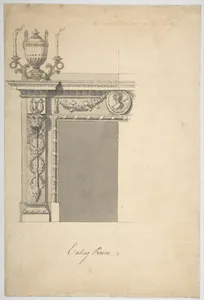
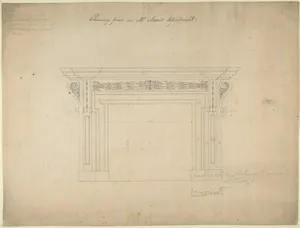
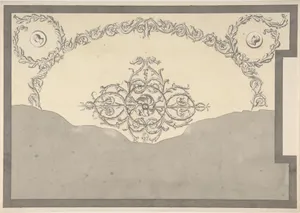
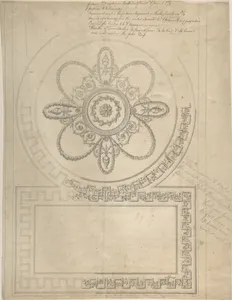
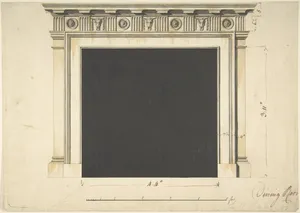
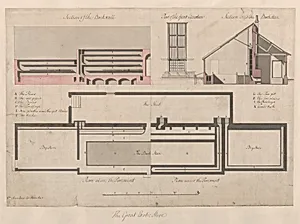
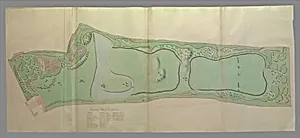
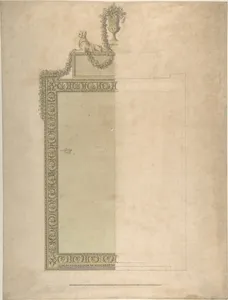
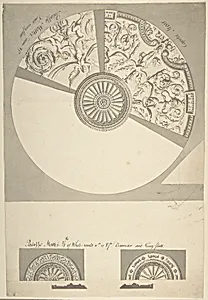
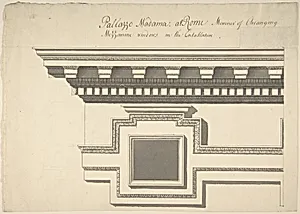
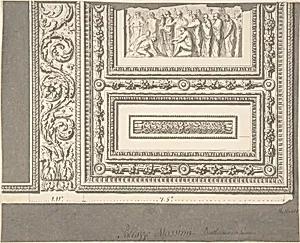
Chambers's legacy endures as a catalyst for 18th-century British architecture's evolution, introducing chinoiserie elements into grand public spaces while elevating the profession's status. Dying on 10 March 1796 and buried in Westminster Abbey's Poets' Corner, his visionary buildings like Somerset House—housing academies and government offices—continue to inspire. With over 80 known architectural drawings and designs in collections worldwide, Chambers reminds museum visitors how one man's global wanderings forged a uniquely eclectic imprint on Georgian Britain.
(Word count: 348)