Ctrl K
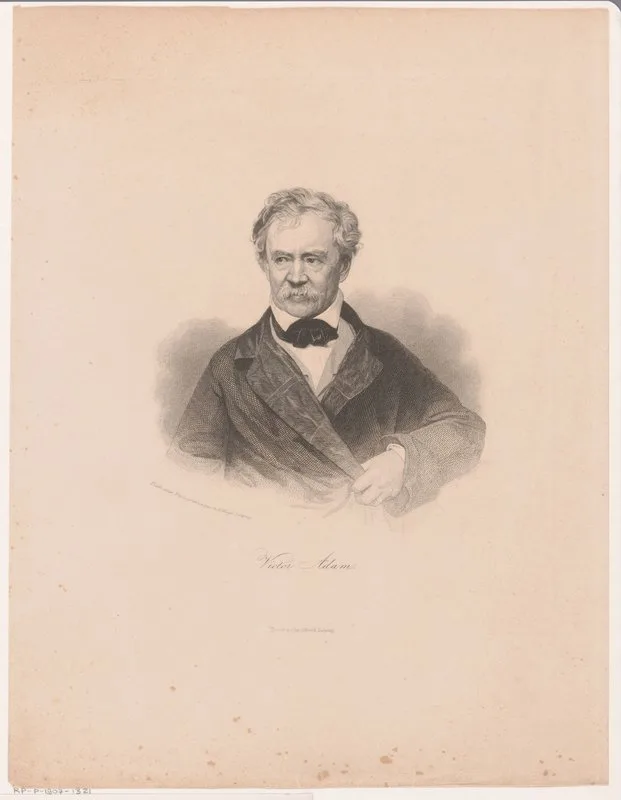
1801–1866
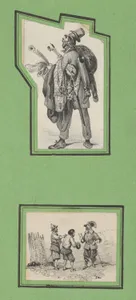
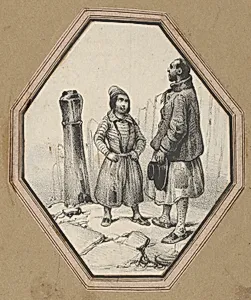
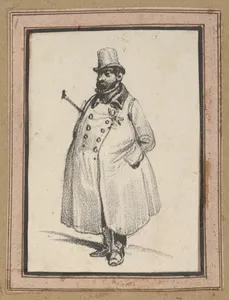
Victor Adam was born in Paris in 1801 and built a prolific and commercially successful career as one of the leading lithographers and illustrators of nineteenth-century France. He received a conventional academic training in painting, but it was the new medium of lithography — still in its first decades of widespread use when Adam came of age — that provided the ideal vehicle for his gifts: a facility for vivid, rapidly executed compositions, a keen eye for costume and gesture, and an instinct for the subjects that the rapidly expanding reading public most wanted to see.
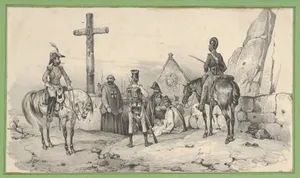
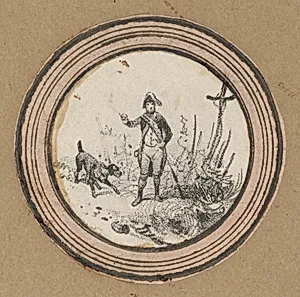
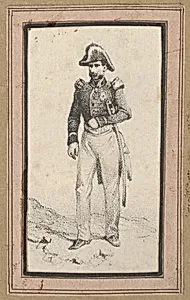
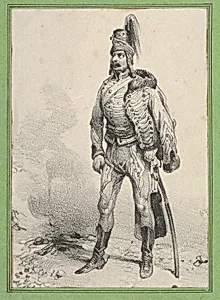
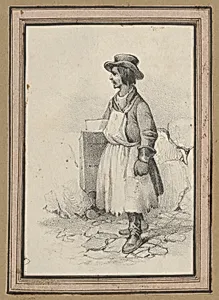
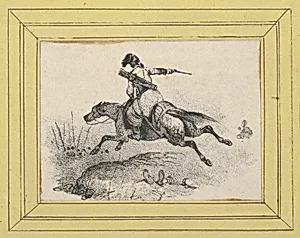
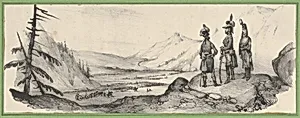
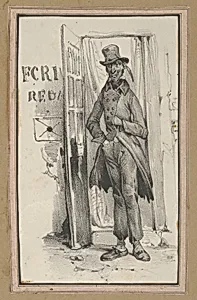
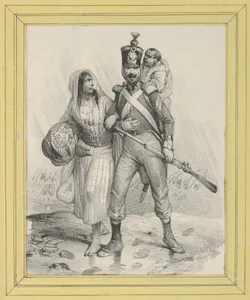
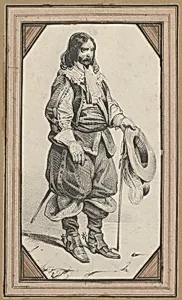
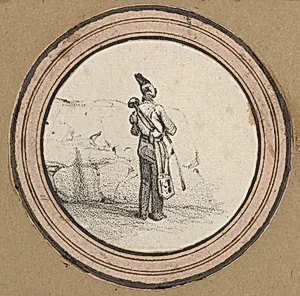
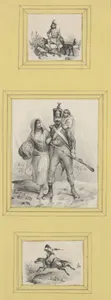
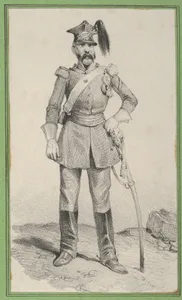
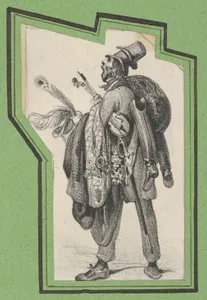
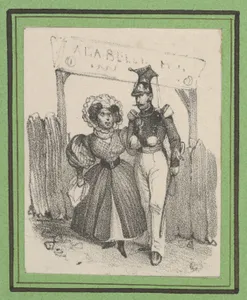
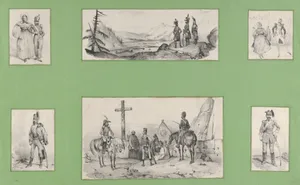
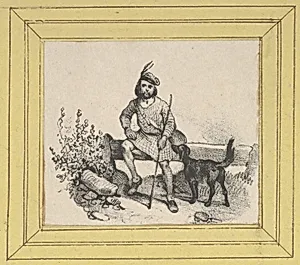
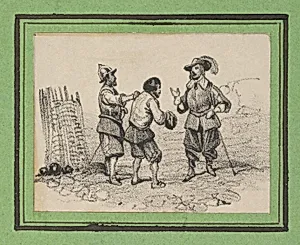
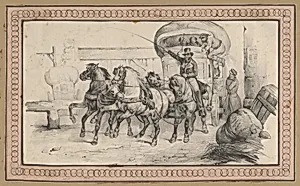
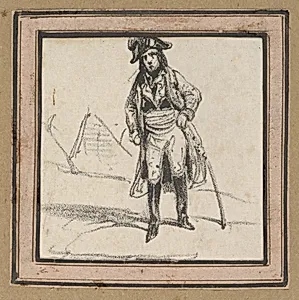
Adam's output was extraordinarily wide-ranging. He produced military scenes, hunting subjects, equestrian imagery, theatrical illustrations, genre scenes of Parisian life, historical subjects, and a vast quantity of work for the booming illustrated press and book trade. His military lithographs, documenting the campaigns and uniforms of the Napoleonic era and the subsequent decades, were particularly celebrated and served an important documentary function in an age before photography. His images of horses — rendered with an accuracy and dynamism that testified to close observation — were especially admired by contemporaries.
He collaborated with the major Parisian publishers and contributed to numerous albums, periodicals, and illustrated books that reached a broad middle-class audience hungry for visual entertainment. In this respect Adam was a quintessential figure of the July Monarchy period, an artist who understood that lithography had transformed the relationship between art and the public by making high-quality images affordable and accessible on an unprecedented scale.
Adam died in Viroflay in 1866. His legacy is that of a consummate professional of the popular graphic arts whose work provides an invaluable visual record of French society, military culture, and sporting life across the middle decades of the nineteenth century — a reminder that the art of illustration, at its best, is a serious and demanding discipline.