Ctrl K
**W. Duke, Sons & Co. and The Giles Company: Pioneers of Chromolithographed Trade Cards**
W. Duke, Sons & Co., a prominent American tobacco manufacturer, was established around 1874 in Durham, North Carolina, by Washington Duke and his sons—Brodie L. Duke, Buck Duke, and James Buchanan Duke—building on the family's post-Civil War chewing tobacco ventures. The company expanded operations to New York, becoming a leader in the industry through innovative marketing, particularly by inserting colorful chromolithographed trade cards into products like Honest Long Cut Tobacco and Duke's Cigarettes. These cards, produced from the late 1880s, numbered in the dozens of series and captured American popular culture. Collaborating closely with The Giles Company (also known as Giles Lithographic Company), a New York-based commercial lithography firm, Duke's cards were masterfully printed, showcasing the era's advanced color printing techniques.
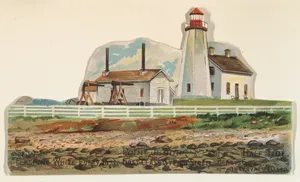
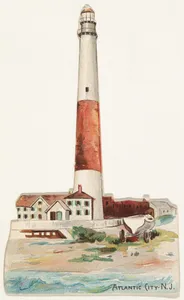
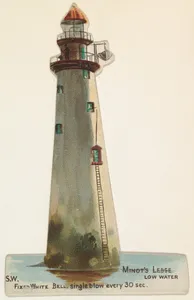
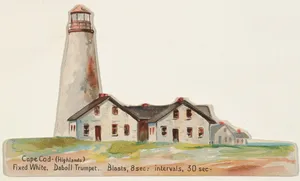
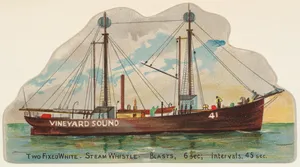
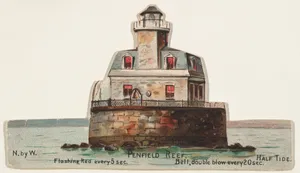
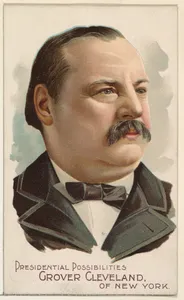
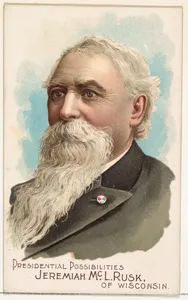
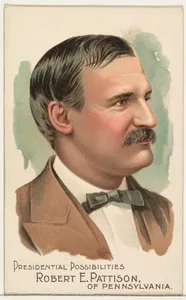
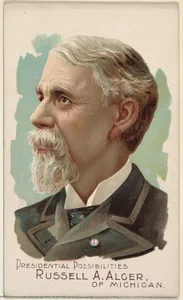
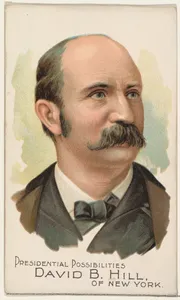
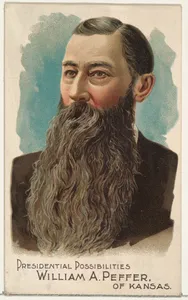
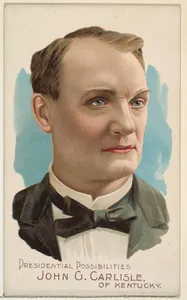
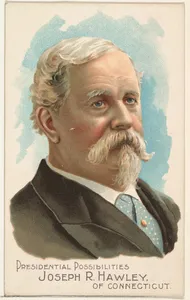
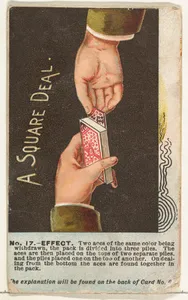
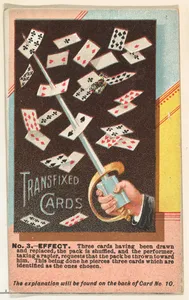
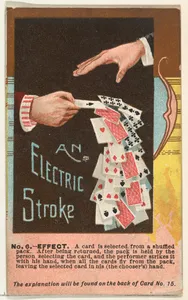
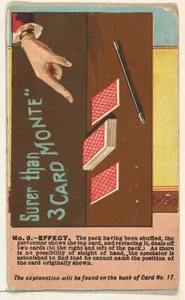
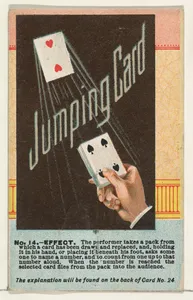
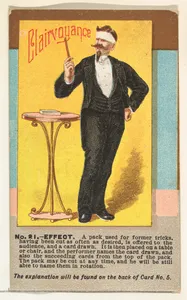
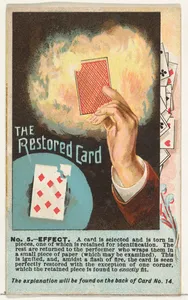
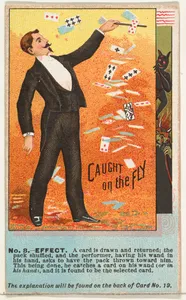
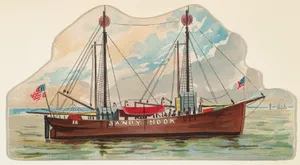
The Giles Company specialized in high-quality chromolithography for advertising ephemera, executing Duke's ambitious designs with vibrant, detailed illustrations typical of late Victorian commercial art. Their partnership yielded iconic series such as *Habitations of Man* (N113, ca. 1888), depicting global dwellings from Japanese houses to New York tenements; *Lighthouses* (N119, 1889), featuring die-cut coastal beacons; *Tricks with Cards* (N138, 1887), optical illusions promoting card-playing pastimes; *Sea Captains* (N127, 1887); *Actors and Actresses* (N145); *Great Americans* (N76); and *Histories of Generals* (N114).) These works blended whimsy, education, and celebrity—portraying figures like Mark Twain, sea captains, and presidential hopefuls—with meticulous layering of up to a dozen colors, reflecting the industrial precision of Gilded Age lithography.
By 1890, James B. Duke consolidated W. Duke, Sons & Co. into the American Tobacco Company trust, revolutionizing the industry, while Giles contributed to broader lithographic mergers like the American Lithographic Company. Their trade cards, once marketing tools, endure as cultural artifacts in institutions like the Metropolitan Museum of Art and Library of Congress, preserving vignettes of 19th-century life, from urban squalor to maritime heroism. With over 50 series documented, their output—exemplified by 98 pieces in select collections—laid groundwork for modern collectibles, blending commerce and artistry in America's ephemera tradition.