Ctrl K
1708–1779
A. J. Defehrt (1723–1779) was a French draftsman, painter, and engraver whose career is best defined by his substantial contributions to one of the most ambitious publishing projects of the European Enlightenment: the illustrated plates of Denis Diderot and Jean le Rond d'Alembert's Encyclopédie, ou dictionnaire raisonné des sciences, des arts et des métiers. This monumental project, which aimed to systematize all human knowledge, relied on an extensive team of visual artists to translate written descriptions of trades, industries, scientific instruments, and natural phenomena into clear and instructive engraved images.
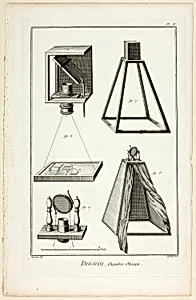
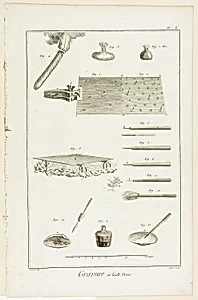
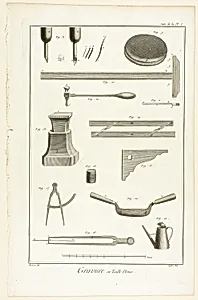
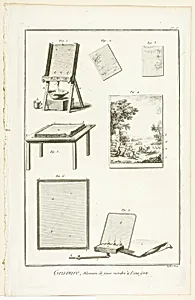
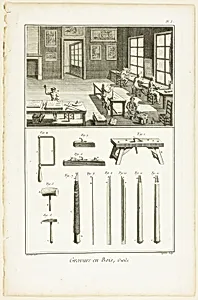
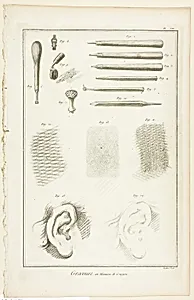
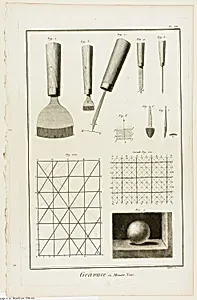
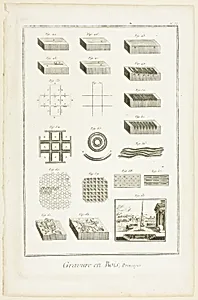
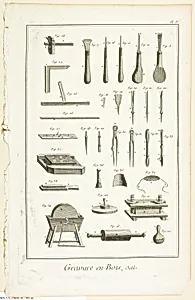
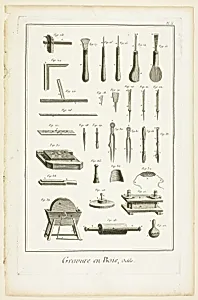
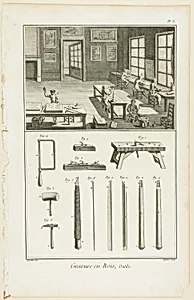
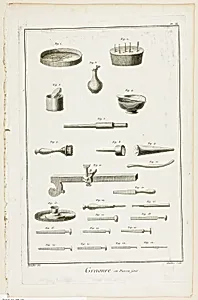
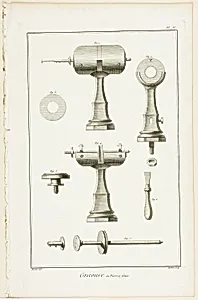
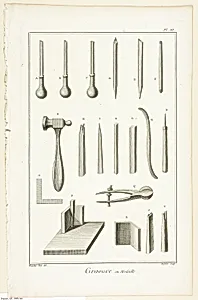
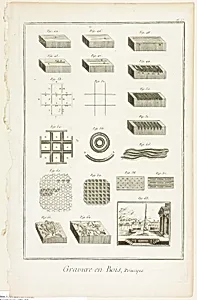
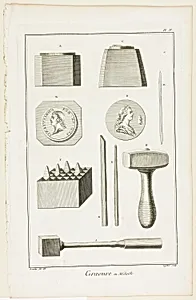
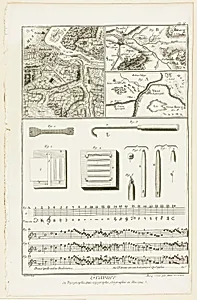
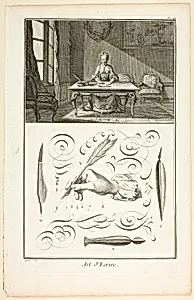
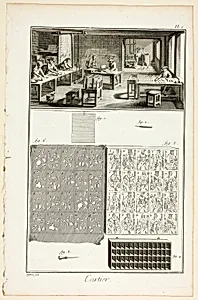
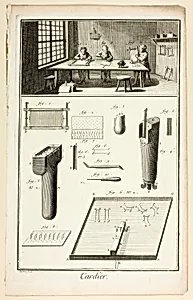
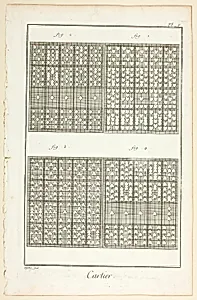
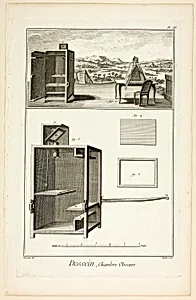
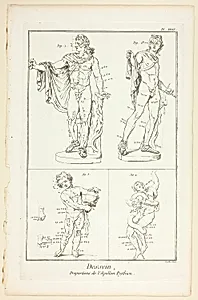
Defehrt was a significant figure among the engravers who worked on the Encyclopédie's plates, producing images that depicted the mechanical arts, craft processes, and industrial subjects central to the project's vision of practical, empirical knowledge. His engravings, often working from designs by collaborators such as Jacques Goussier, illustrated subjects ranging from agricultural practices and rural industry to manufacturing processes—the kinds of workaday activities that the philosophes sought to dignify through systematic description. The Encyclopédie's plates, published between 1762 and 1772, circulated widely and became among the most reproduced images of the eighteenth century.
Beyond his work on the Encyclopédie, Defehrt produced portraits and other engravings, and his versatility as a draftsman in multiple media reflects the broad range of skills demanded of professional printmakers in his era. He reportedly left France for Copenhagen in 1769, where he spent his remaining years and died in 1779.
Defehrt's legacy is inseparable from the collective enterprise of the Encyclopédie. His contribution to that project places him among the artists who gave visual form to the Enlightenment's belief in the power of rational knowledge to illuminate and improve human life—a modest but essential role in one of the defining intellectual achievements of the eighteenth century.