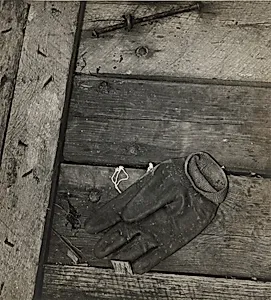
Aaron Siskind (1903–1991), born in New York City to Russian Jewish immigrant parents as the fifth of six children, initially pursued literature and poetry before discovering photography. After graduating from City College of New York with a Bachelor of Social Science in Literature in 1926, he taught English in New York public schools for over two decades. A camera received as a wedding gift in 1929 sparked his passion during his honeymoon in Bermuda, leading him to join the Film and Photo League in 1933. There, he immersed himself in social documentary work, founding the Feature Group in 1936 and producing the seminal *Harlem Document* series (1932–1940), which captured the daily struggles and vibrancy of Harlem residents amid the Great Depression through street scenes, portraits, and intimate domestic views.
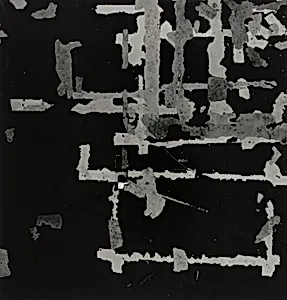
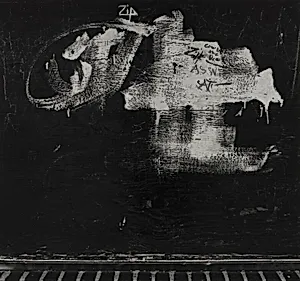
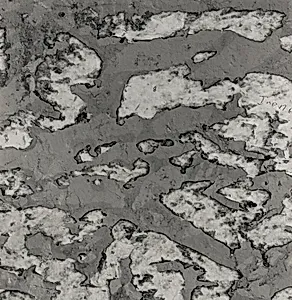
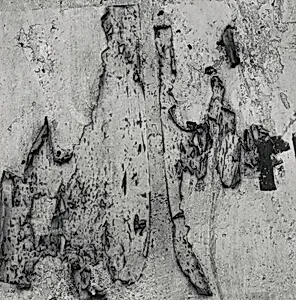
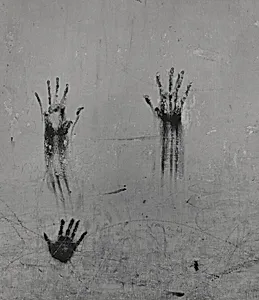
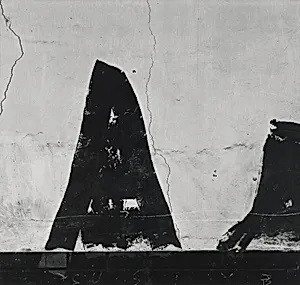
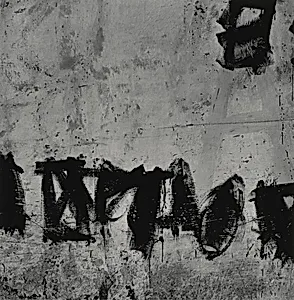
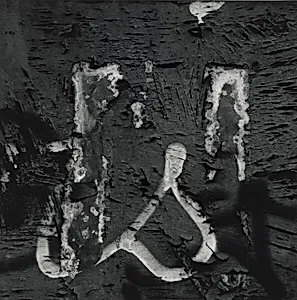
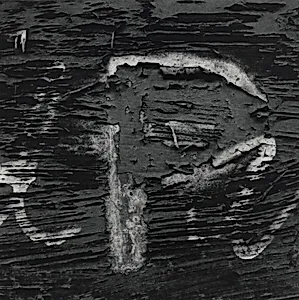
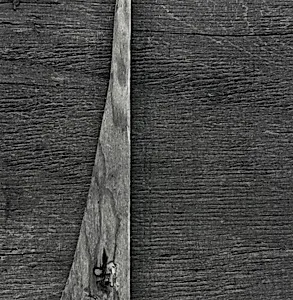
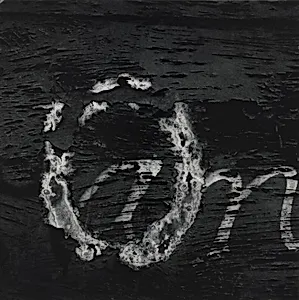
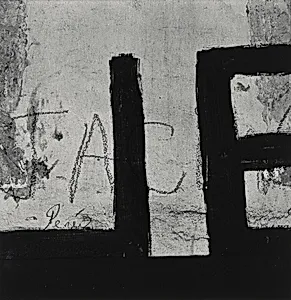
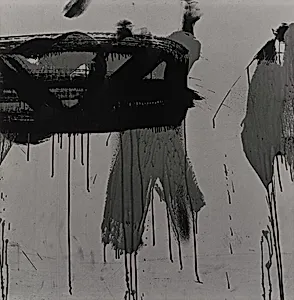
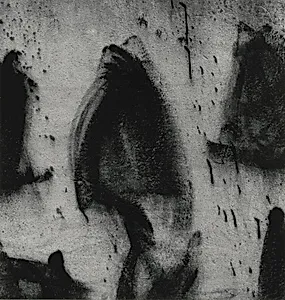
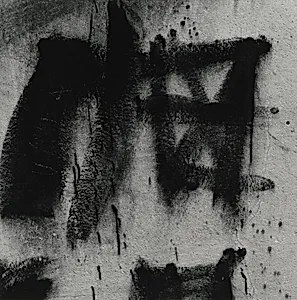
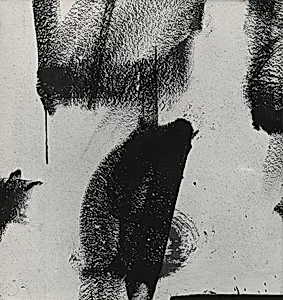
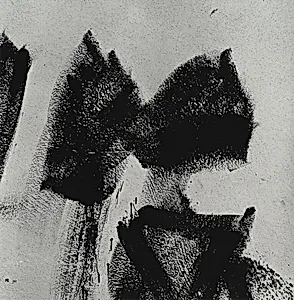
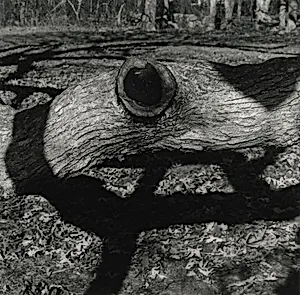
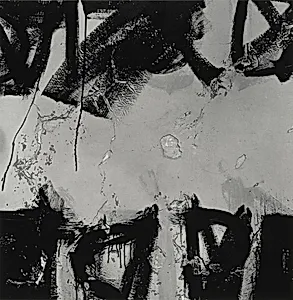
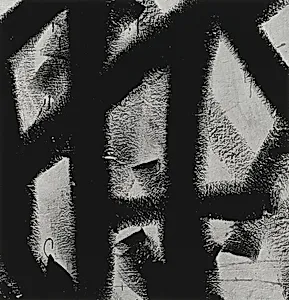
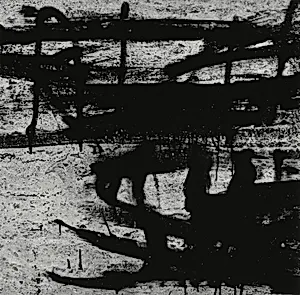
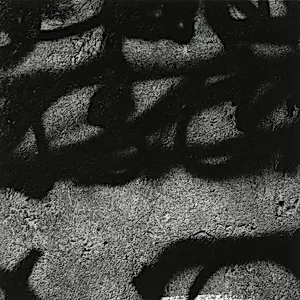
By the early 1940s, Siskind's style evolved dramatically toward abstraction during a trip to Martha's Vineyard, where he began isolating textures, forms, and surfaces—peeling paint, weathered walls, and graffiti—rendering them as flat, painterly compositions independent of context. This aligned him with the Abstract Expressionist movement; he formed close friendships with painters Franz Kline, Mark Rothko, and Willem de Kooning, exhibiting alongside Kline at the Charles Egan Gallery. In 1950, he taught summers at Black Mountain College alongside Harry Callahan and Robert Rauschenberg. Callahan later recruited him to the Institute of Design in Chicago (founded by László Moholy-Nagy as the New Bauhaus), where Siskind headed the photography department from 1961 to 1971 before moving to the Rhode Island School of Design until his 1976 retirement. His approach emphasized the picture plane's flatness, visual rhymes, and tactile details, bridging straight photography with modernist abstraction.
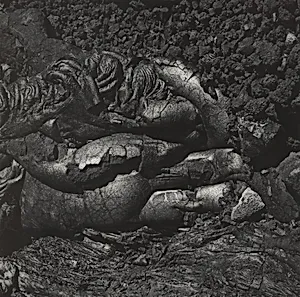
Key series like *Jerome, Arizona* (1949), with its eroded mining town walls evoking gestural brushstrokes; *Pleasures and Terrors of Levitation* (1950s–1960s), silhouetting divers and athletes; *Homage to Franz Kline* (1974); and late *Tar Series* (1980s) exemplify his global explorations from Rome's ancient ruins to Mexican lava flows and Brazilian streets. Siskind's four marriages—Sidonie Glatter (1929–1945), Ethel Jones, Cathy Spencer (1952–1957), and Carolyn Brandt (1960–1976)—reflected a tumultuous personal life amid his prolific output.
Siskind's legacy as a pioneering abstract photographer endures through major holdings at institutions like MoMA (98 works), the Met (152), and the Art Institute of Chicago (256), alongside his profound influence as a teacher shaping generations, including the founding of the Aaron Siskind Foundation in 1984 to support emerging photographers. His work redefined photography's potential, merging documentary roots with expressive abstraction to reveal profound beauty in the overlooked.