Ctrl K
1881–1881
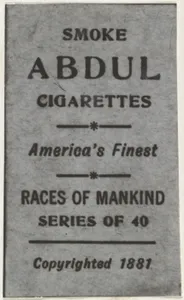
Abdul Cigarettes, an enigmatic American entity active solely in 1881, stands as a fascinating footnote in the history of commercial art, best known for producing vibrant chromolithograph trade cards inserted into cigarette packages as promotional inserts. Little is documented about its origins or personnel, suggesting it operated as a short-lived publishing venture rather than the work of a singular biographical artist. These cards, totaling around 97 known examples preserved in major collections like the Metropolitan Museum of Art, exemplify the ephemera of Gilded Age advertising, blending scientific illustration with exotic allure to entice smokers.
Working in the tradition of 19th-century commercial chromolithography—a technique pioneered by firms like Prang and Currier & Ives—Abdul Cigarettes produced highly detailed, colorful prints that captured the era's fascination with global diversity and natural history. The cards featured bold compositions with intricate detailing, from lifelike animal portraits to ethnographic vignettes, all framed in ornate borders that enhanced their collectible appeal. No specific training or mentors are recorded for the anonymous artists behind these works, reflecting the collaborative, factory-like production typical of trade card lithography.
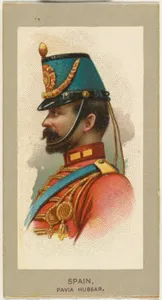
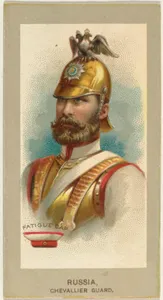
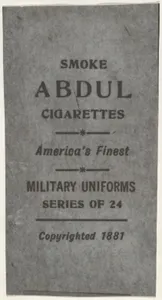
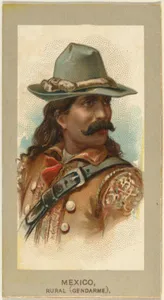
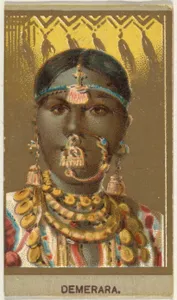
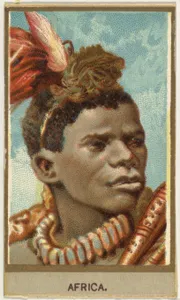
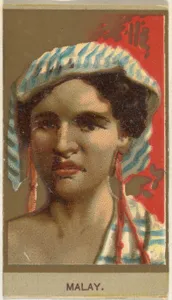
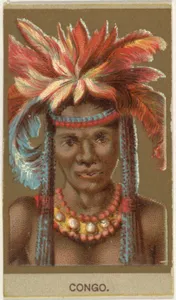
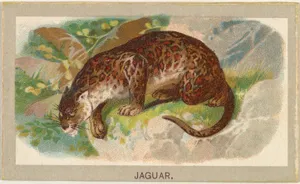
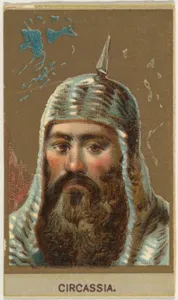
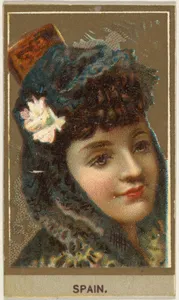
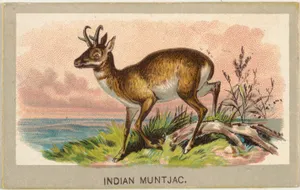
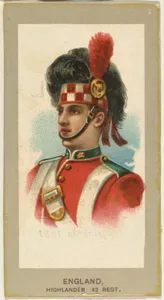
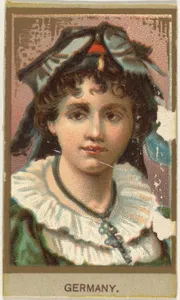
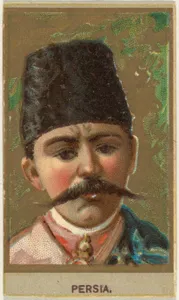
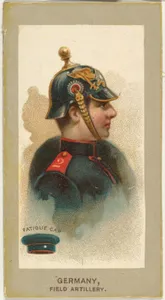
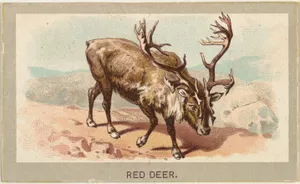
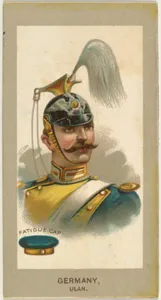
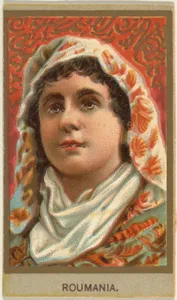
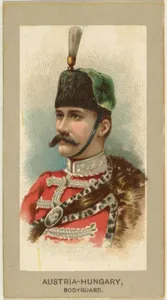
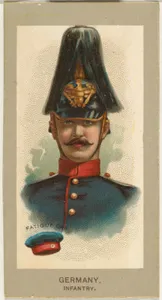
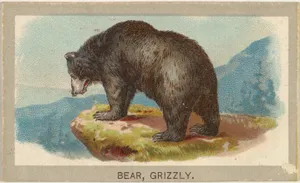
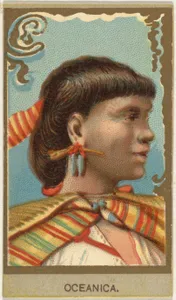
Among the major series were "Animals of the World" (T180), showcasing beasts like the majestic Tiger, Great Grey Kangaroo, American Bison, and Canada Lynx; "Races of Mankind" (T181), depicting global ethnic groups from Hawaii and Tyrol to Demerara and Steppes nomads; and "Military Uniforms" (T182). These 1881 editions promoted the Abdul Cigarettes brand while educating collectors on zoology, anthropology, and martial history, with each card measuring roughly postcard-sized for easy trading.
Today, Abdul Cigarettes' output endures as a testament to advertising's artistic ingenuity, with nearly all surviving cards digitized in the MET's open-access collection, entering the public domain and inspiring reproductions, posters, and scholarly interest in vernacular graphics. Their legacy lies in democratizing visual spectacle, bridging fine art lithography with mass-market ephemera, and offering a window into Victorian-era curiosities long after the cigarettes themselves faded from memory.