Ctrl K
The Aberdeen Painter was an anonymous ancient Greek vase painter active in Attica during the early Classical period, roughly 470–450 BCE. Named by the pioneering scholar Sir John D. Beazley after a red-figure kylix (drinking cup) once in the University of Aberdeen's Marischal Museum collection, he exemplifies the meticulous connoisseurship that revolutionized the study of Attic pottery. Specializing in elegant red-figure kylikes, the Aberdeen Painter contributed to the refined aesthetic of mid-fifth-century Athenian ceramics, where figures emerge vividly against a reserved black background, showcasing fluid lines, subtle modeling through dilute glaze, and a keen interest in both mythological narratives and everyday sympotic scenes.
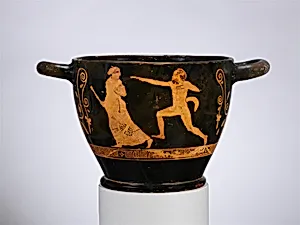
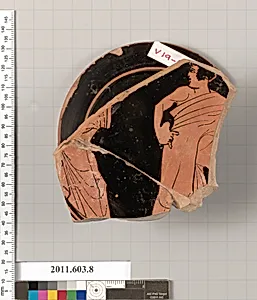
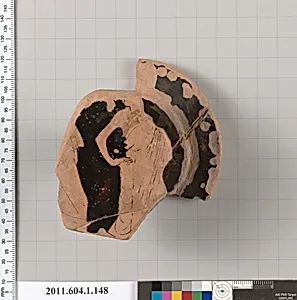
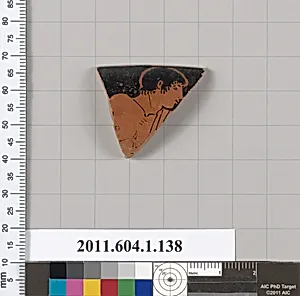
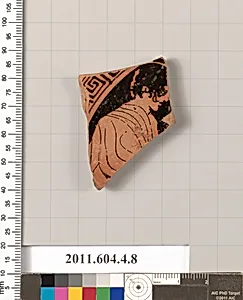
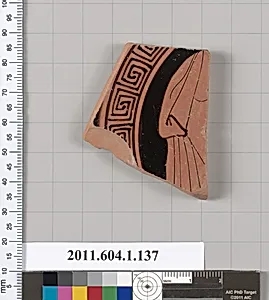
Little is known of the Aberdeen Painter's training or personal life, as is typical for these unsigned artisans whose identities are reconstructed solely from stylistic analysis; his early life remains undocumented. He is considered part of the workshop of the Cleophrades Painter, a major figure in the transition from Archaic to Classical styles, suggesting collaboration in a bustling Athenian pottery quarter where potters and painters honed techniques for export to Etruscan markets. Beazley cataloged his hand on around two dozen vases in *Attic Red-Figure Vase-Painters* (ARV² 919–922), including fragments in major collections. Standouts include the tondo of a Louvre kylix (G 452) depicting Triptolemus receiving grain from Kore (Persephone), symbolizing agricultural mysteries, and a Dallas Museum of Art pyxis (1968-28) with a lively procession, possibly alluding to Pandora's myth. Fragments from the Metropolitan Museum and Getty Museum preserve dynamic athlete figures mid-motion, wielding javelins or strigils.
The Aberdeen Painter's oeuvre bridges myth and mortal life, with exteriors often showing draped men flanking nude youths in gymnastic pursuits—javelin throws, discus, or oil-scraping—while interiors introduce intriguing female figures seated nearby, perhaps evoking sympotic fantasies or subtle eroticism in the male gaze of elite drinkers. His precise anatomy and poised compositions reflect the era's shift toward naturalism, influenced by monumental sculpture like the Parthenon friezes. Though sparsely attested compared to giants like the Berlin Painter, his vases illuminate Classical Athens' cultural pulse: ritual, athletics, and revelry. Today, with six works in our virtual museum's collection, the Aberdeen Painter endures as a window into the anonymous mastery that fueled Greece's golden age of pottery export.