Ctrl K
1828–1912
Adalbert John Volck (1828–1912) led one of the more remarkable double lives in American art history. Born in Augsburg, Bavaria, he emigrated to the United States as a young man, eventually settling in Baltimore, where he built a distinguished career as a dentist. Yet beneath his professional respectability lay a fierce artistic talent and a passionate political identity that would find explosive expression during the Civil War.
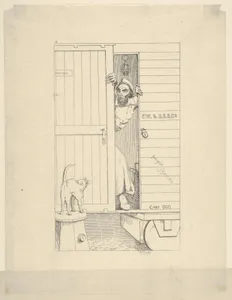
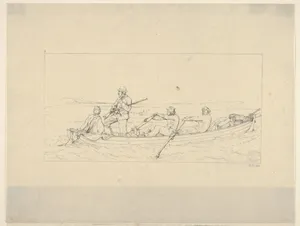
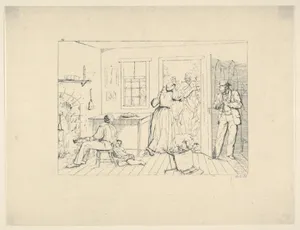
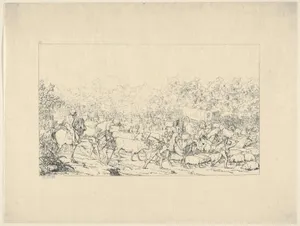
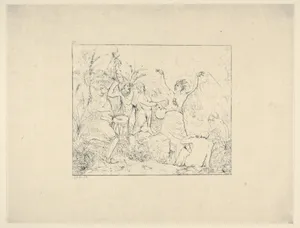
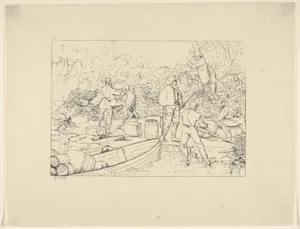
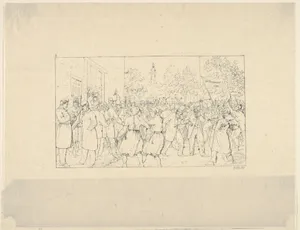
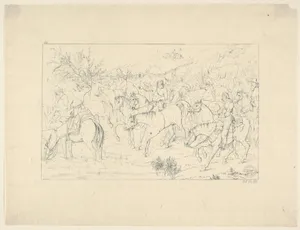
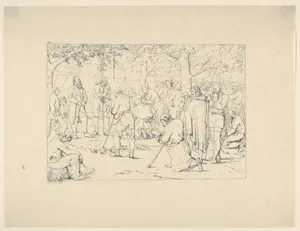
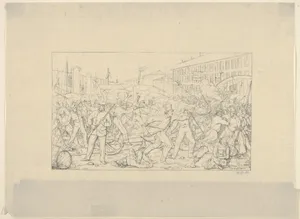
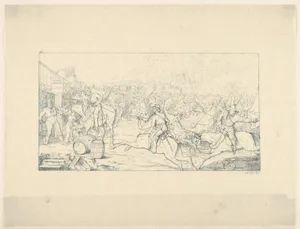
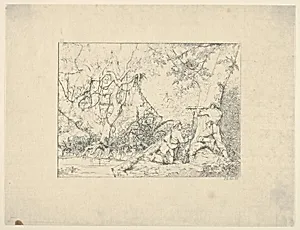
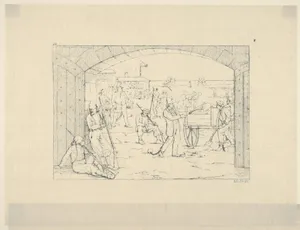
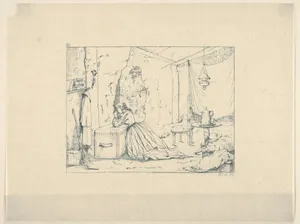
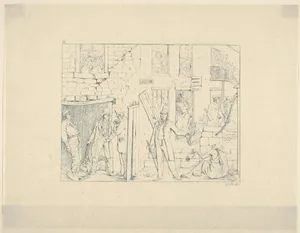
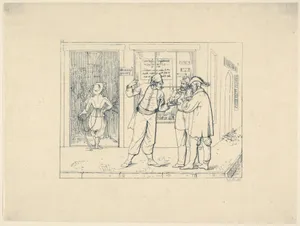
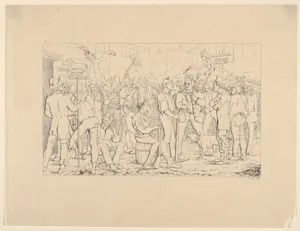
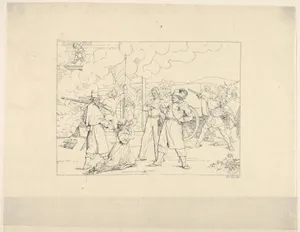
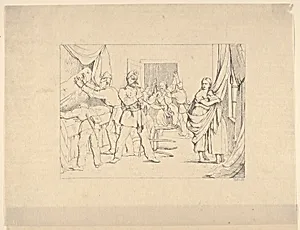
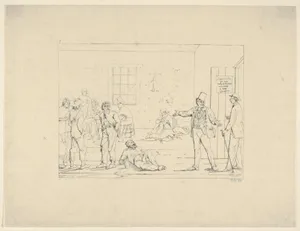
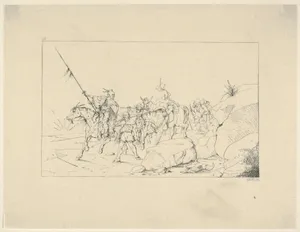
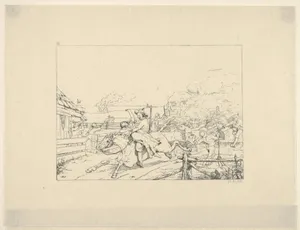
Volck was largely self-taught as an artist, though his European upbringing exposed him to the rich tradition of German graphic satire. Working in secret under the pseudonym V. Blada, he produced a series of incisive etchings that savagely lampooned the Lincoln administration and celebrated the Confederate cause. Executed with genuine technical skill and biting wit, these prints circulated clandestinely in Baltimore's Southern sympathizer community and were dangerous to possess in a Union-occupied city. They stand today as remarkable — if deeply partisan — documents of the war's cultural and political tensions.
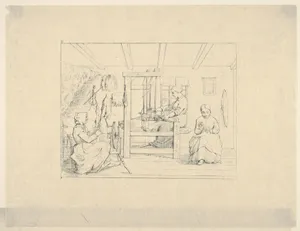
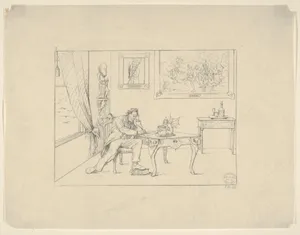
Beyond his wartime satires, Volck also produced more straightforward portraiture and genre work, demonstrating a versatility that his political prints sometimes overshadow. After the war, he continued his dental practice and made periodic contributions to the visual arts, though he never again achieved the charged intensity of his Confederate period work.
Volck's legacy is complex. His etchings are prized as rare examples of Southern wartime visual culture and as evidence of the sophisticated political art being produced outside the mainstream Northern press. Historians of American printmaking and Civil War visual culture continue to study his work as an essential, if uncomfortable, counterpoint to the dominant imagery of the Union cause.