Ctrl K
Adams and Company was an American pressed glass manufacturer based in Pittsburgh, Pennsylvania, whose products exemplify the ingenuity and industrial ambition of Gilded Age glassmaking in the United States. The firm traces its origins to Adams, Mackin & Co., established in Pittsburgh in 1851; by 1861 it had reorganized as Adams and Company, operating under that name through 1891, when it became Factory A within the newly consolidated United States Glass Company — one of the major consolidations that reshaped the American glass industry in the final decade of the nineteenth century.
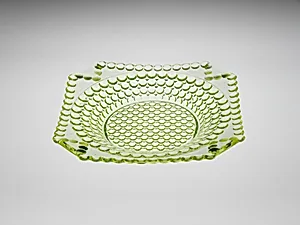
Pittsburgh was at the center of American pressed glass production during the second half of the nineteenth century, benefiting from abundant local supplies of natural gas and raw materials, as well as proximity to national rail networks. Adams and Company contributed significantly to this tradition, producing a wide range of tableware and decorative glass objects through the pressing process, in which molten glass is forced into iron molds under mechanical pressure to produce complex patterns with high consistency and relatively low cost. The firm worked in clear glass as well as colored varieties, demonstesting the period's expanding palette of glassmaking possibilities.
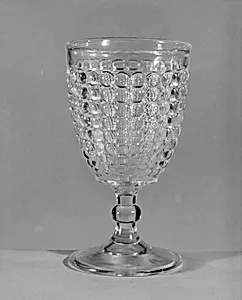
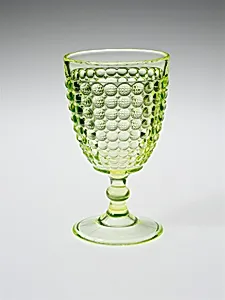
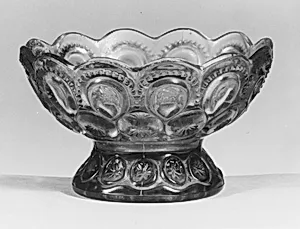
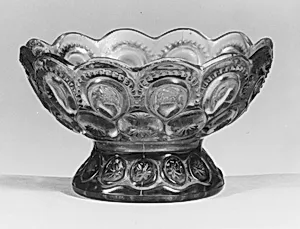
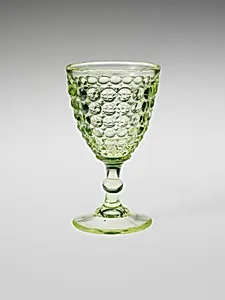
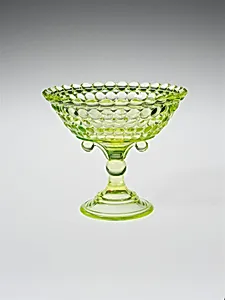
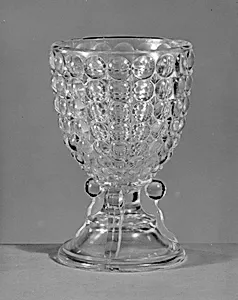
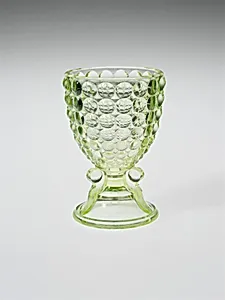
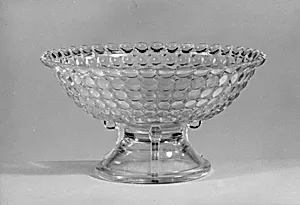
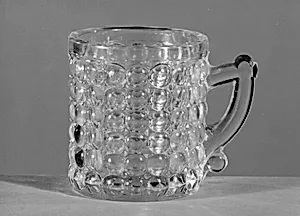
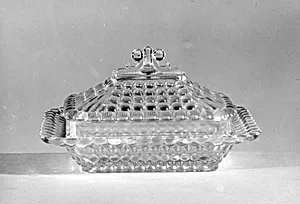
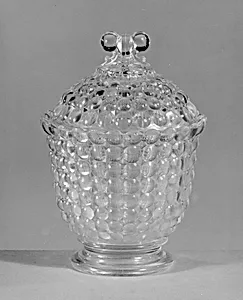
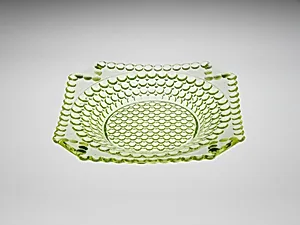
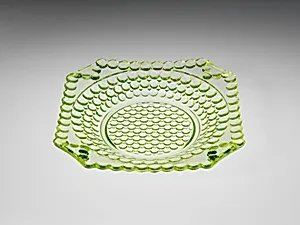
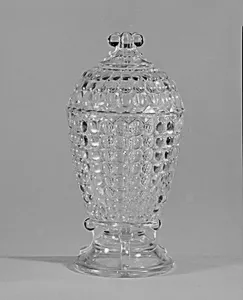
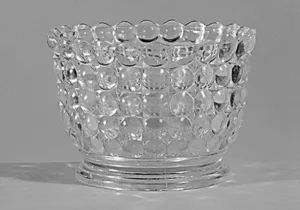
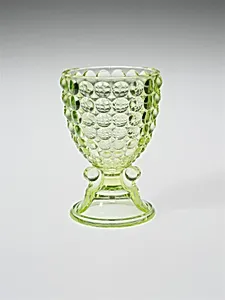
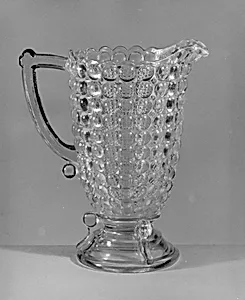
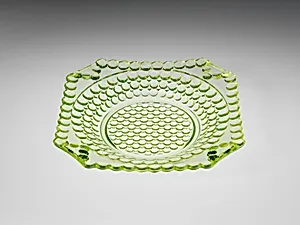
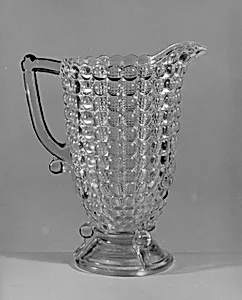
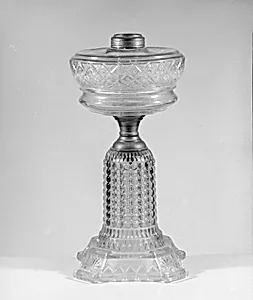
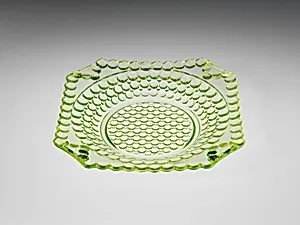
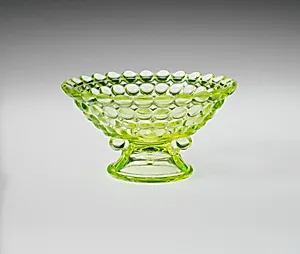
Among the patterns most closely associated with Adams and Company is "Thousand Eye" (originally marketed under the name "Sensation"), introduced in the 1870s. Characterized by its allover pattern of small raised circles resembling a field of watching eyes, the design was applied across a broad range of table service forms including tumblers, wine glasses, compotes, celery vases, cruets, and spoon holders. The firm also produced the "Wildflower" pattern, which has been widely reproduced, as well as a range of Victorian novelty objects. Examples of Adams and Company pressed glass are held in the collection of the Metropolitan Museum of Art, where pieces were donated in 1946 by Mrs. Emily Winthrop Miles.
Adams and Company's work belongs to the tradition now known as Early American Pattern Glass (EAPG), a category that encompasses the vast output of American pressed glass factories from roughly the 1850s through the early twentieth century. Though the individual designers of specific patterns are rarely documented by name, the firm's production as a whole reflects the ambitions of a generation of American manufacturers who sought to bring affordable, beautifully designed glassware into households across the country.