Ctrl K
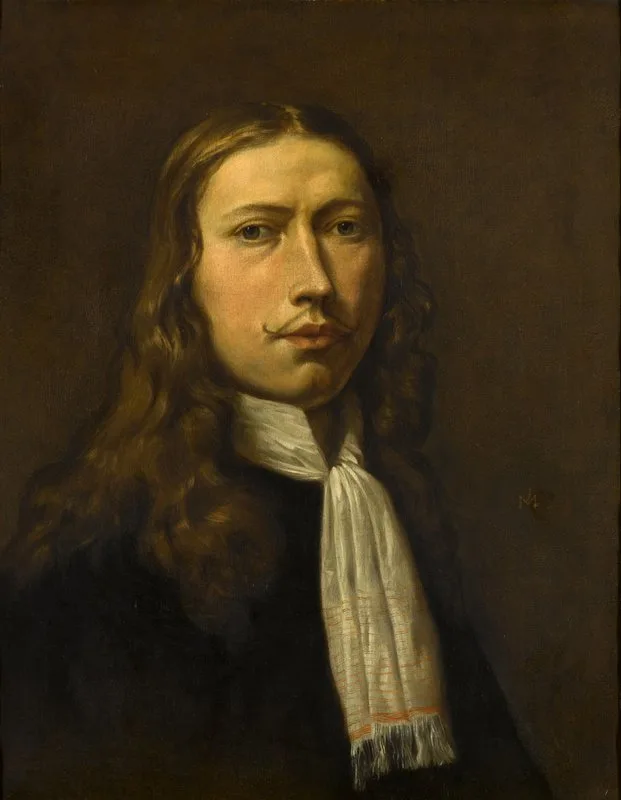
1636–1672
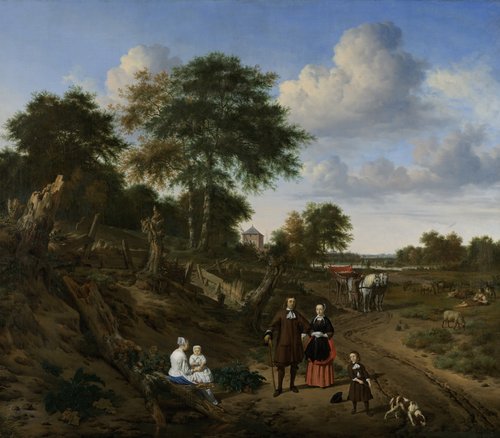
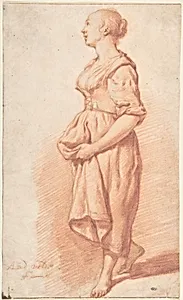
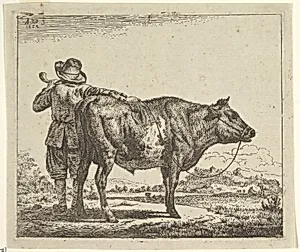
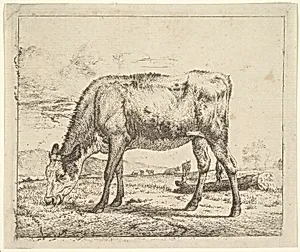
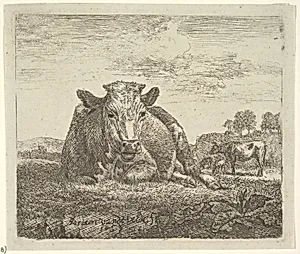
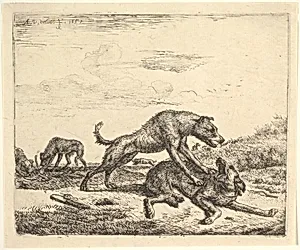
Adriaen van de Velde (1636–1672) was a Dutch Golden Age painter, draftsman, and etcher renowned for his luminous pastoral landscapes and his extraordinary versatility. Born in Amsterdam, he was the son of the marine painter Willem van de Velde the Elder and brother of the marine painter Willem van de Velde the Younger. He studied under Jan Wijnants, a landscape specialist, and possibly under Philips Wouwerman.
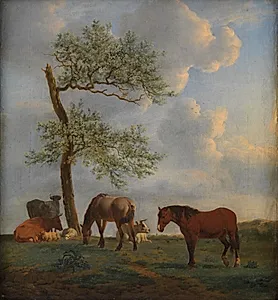
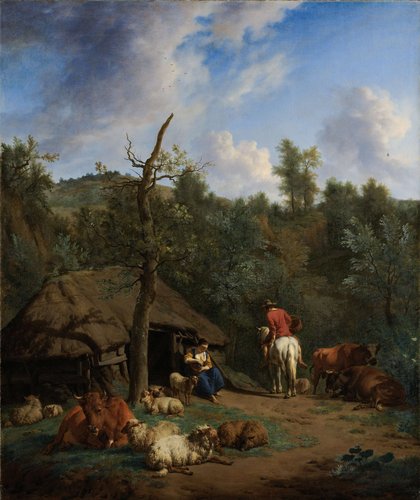
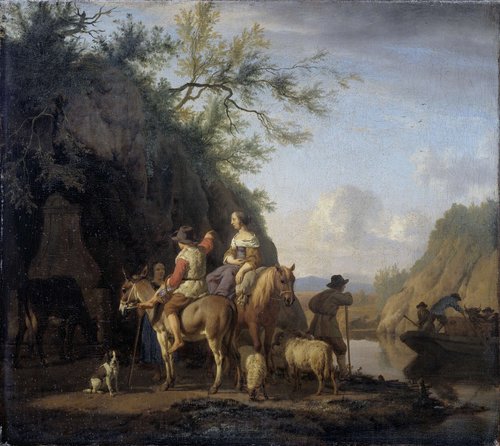
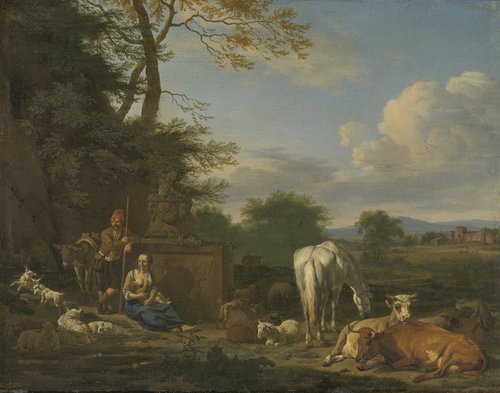
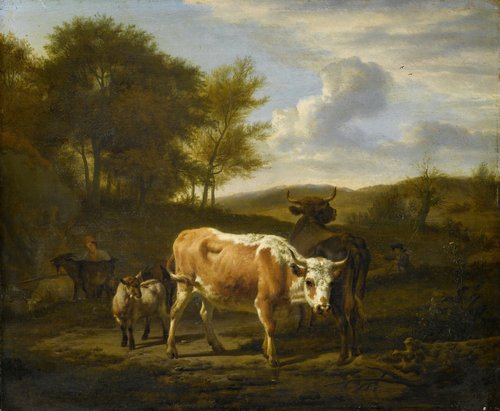
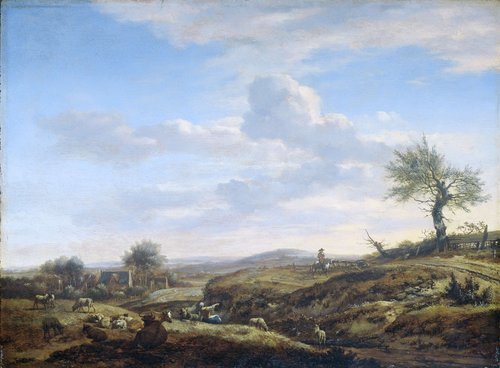
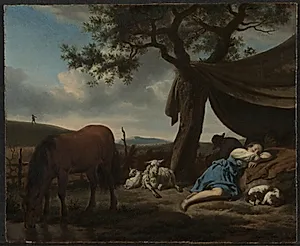
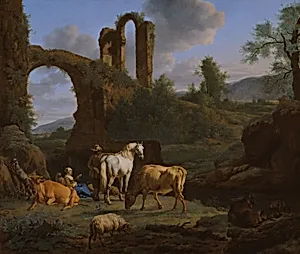
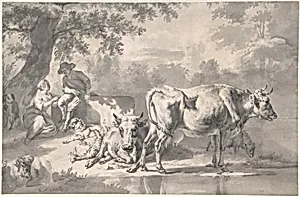
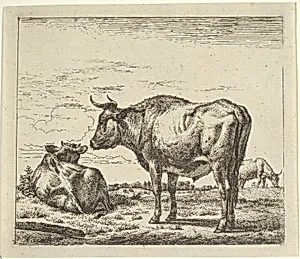
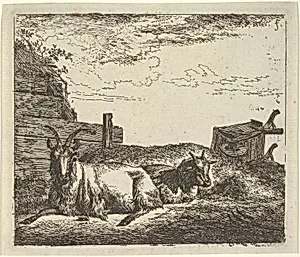
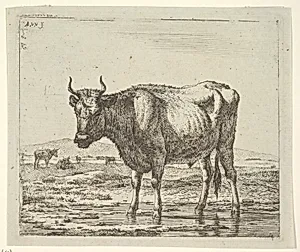
Van de Velde excelled at pastoral landscapes populated with gracefully rendered cattle, sheep, goats, and figures in warm, sunlit settings that evoke an idealized Italianate countryside. His paintings combine precise observation of animals and figures with atmospheric landscape settings bathed in golden light, creating scenes of tranquil, Arcadian beauty. His beach scenes and winter landscapes demonstrate his range beyond pastoral subjects.
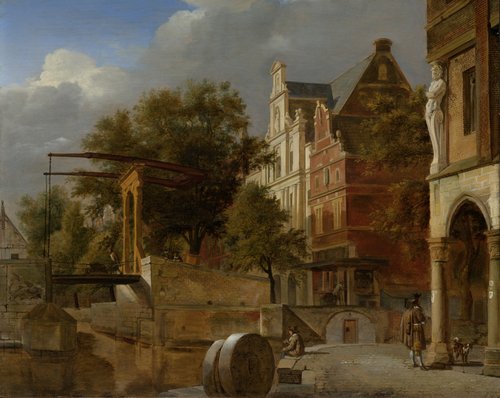
Van de Velde was also one of the most sought-after staffage painters of the Dutch Golden Age — other leading artists, including Jacob van Ruisdael, Meindert Hobbema, Jan van der Heyden, and Frederick de Moucheron, regularly invited him to paint the figures and animals in their landscapes. His ability to integrate his figures seamlessly into another artist's composition was remarkable, and the collaborations he participated in include some of the finest Dutch landscape paintings.
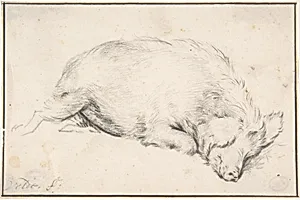
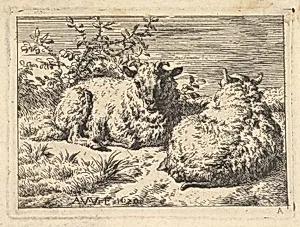
Despite dying at just thirty-five, Van de Velde left a substantial body of work including paintings, drawings, and etchings. His art is held by the Rijksmuseum, the National Gallery in London, the Wallace Collection, the Metropolitan Museum of Art, and the Mauritshuis in The Hague.